 English
  Japanese
  Chinese (China)
  Chinese (Taiwan)
  Korean
 Shirakawa Bread
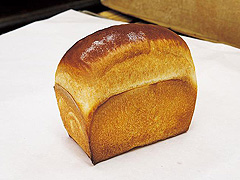
The taste of the bakery in the town founded in 1928 is always full of reservations. It can be fermented for about seven hours to make it fine, and you can enjoy light muzzle.

The taste of the bakery in the town founded in 1928 is always full of reservations. It can be fermented for about seven hours to make it fine, and you can enjoy light muzzle.
A pickled shop that has been running for more than 300 years at Kirazaka, which leads to Mount Hiei. The specialty of Musa, which is 860 yen, is a delicious gem of a bite-sized eggplant in Kyoto's white miso. It is a taste of tradition that can only be bought here.
It is a five-minute walk from Keihan Demachiyanagi Station, a cactus specialty store. It collects a lot of cacti with a slightly unusual look, and the shop owner himself grows and sells grafted trees and seedlings. It is also recommended for gifts and celebration of opening.
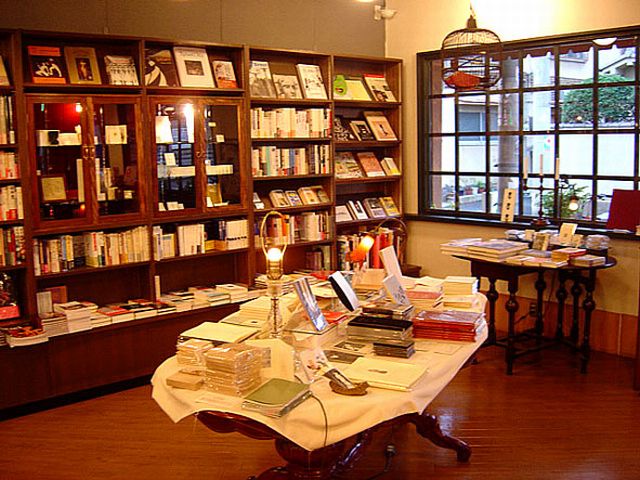
A store with a collection of bookstores, general stores and galleries. The store is always full of art students. Western books and art books with a high sense of sensitivity are popular. General items such as stationery and postcards are also substantial.
A street that runs north-south through the hem of Higashiyama. From Ginkaku-ji-do, the north is called Kita-Shirakawa, and the street trees of ginkgo biloba are beautiful across Shugakuin-do. The neighborhood, which sees the mountains of Hiei to the east, is lined with stylish restaurants and cafes, boutiques and various shops, and is popular with young people as a fashion street alongside Kitayama-dori. There are many antique shops and ethnic restaurants, and the atmosphere in which Japanese and Western, tradition and innovation are integrated is attractive. Just looking at the store and walking will be fun. There is Kyoto University of Art and Design in Kamikachi along the street, so there are many art students, and they are always full of life.
A remote palace built in Manji 2 (1659) by Emperor Go Mizuo. Three gardens are arranged on a vast site spread over the foothills of Mount Hiei, which are tied together by pine trees, the Chūgō-gū, and the Kamigami-gū. The place where you enter the Omotesangate is the Shimori Palace, and there is a sukiya-style view of Jugetsukan. In the following Nakabinomiya, the palace is stunning with its brilliantly decorated guests, and I want to remember to see one of the three shelving of the world. Kamigong is a large garden with teahouses centered on Yudong Pond. The view from Neighbor-tei standing on the side of the mountain is wonderful. The best spot you want to visit by all means.
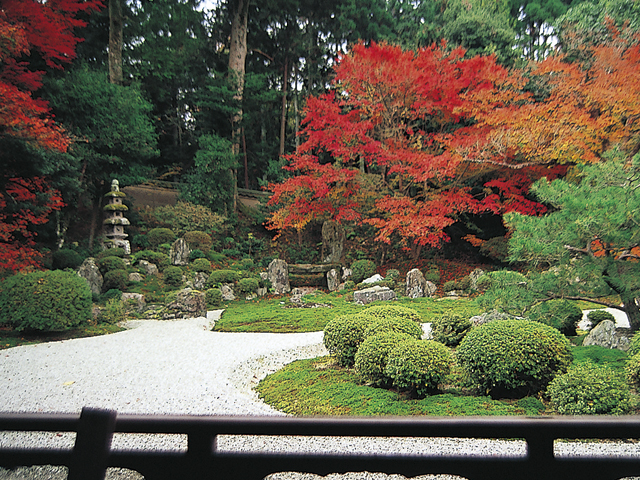
Originally located in the west pagoda of Mt. It was built in this area. There are two main seats in the sukiya-style Daishoin (Important Cultural Property), and it is also referred to as the "Small Katsura Palace" because of the influence of the Katsura Palace in the design of the parapet of the swastika of the partition. The following Oshokuin (Important Cultural Property)'s Fuma-e-e is reportedly Kanō Yuyusaku, and during the twilight there is an incongruous shelf called "Manshuin Shelf", built with ten types of parquet trees. In front of the shōin, the Karesansui Garden (Meishatsu) is particularly beautiful when the azalea in May and the autumn leaves in November. The Hachimado Tea House (Important Cultural Property) is reportedly a taste of Kobori-shuju.
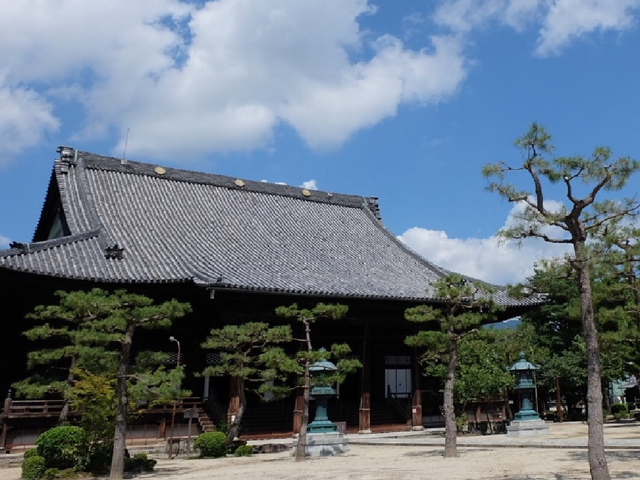
Omotoyama of the Jodo sect, whose predecessor was Kamo Shakado, the site of the Honen Jōjin. It is said that the plague was prevalent during the Great Earthquake, and that the Eighth Seisen Aku-Yuen Jinjin was able to quell the plague by chanting the Nenbutsu of Hyakuen by royal decree, and that Emperor Go-Daigo received the name of Hyakuen. In the precinct, there is a Mikage-do, which enshrines the image of Honen Jojin, on the front side, and the Sakka-do, the main temple, on the east and Amida-do, on the west. On the 15th of every month (August only 25th), there is a sukekai, and at the memorial service at Mikage-do from 13:00, a large memorial ceremony is held. Also on the 15th of every month, a "handmade market" is held where about 350 handmade items are opened.
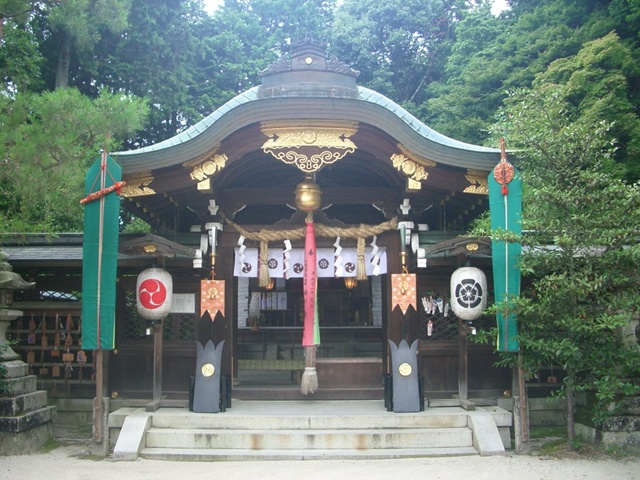
In the second year of Nagahito (1294), the marriage deity of Sōyōshi [Susano no Mikōto] and Princess Inada [Inada Hime no Mikōto] was the god of the marriage. It is reported that Miyamoto Musashi had a duel with Yoshioka Ichimon in the 9th year of Keijō (1604) under the Ichimatsu of the temple located in the precinct.
In Ninhe 4 (888), it was founded as the head of Hieizan Enryaku-ji Temple. Since it is located in the northeast of the Imperial Palace and hits the Demon Gate, it has protected the Imperial Palace since ancient times as a prayer office for repelling and evil, and has also attracted people's faith widely. The main shrine is written as "Imperial Castle Omotemon", and a statue of the monkey of Hiyoshi Taisha, which guards Mount Hiei, sits on the roof of the shrine. This is also the temple of Fukurokuju, one of the Seven Lucky Gods of the City, and the popular figure of Fukurokuju is popular.