Archives: Travel Post

Okazaki Park

Okazaki Park was designated as a part of the site of the 4th Inland Kangyo Expo held in 1895 (Meiji 28) as a park site, and is one of the representative general parks of the city of Kyoto. Various cultural exchange facilities such as Rohm Theater Kyoto, Kyocera Museum of Art, Kyoto City, Kyoto City Zoo, Lake Biwa Canal, Incline, and Kyoto Prefectural Library are concentrated in the vicinity.

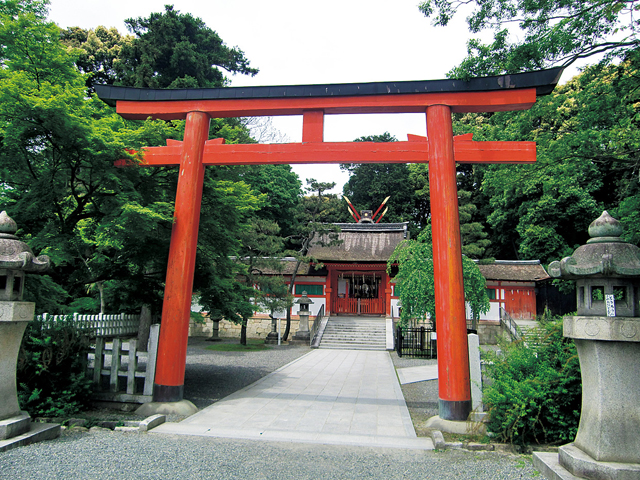
Yoshida Shrine

An old shrine at the foot of Mt. Yoshida. It was founded in the first year of Jōkan (859) by Fujiwara no Yamakage [Fujawara no Yamakage] as the Jinshōsha of Heiankyo. Later, during the years of civilization (1469-87), Yoshida Kaneku (Yoshidanetto) advocated Yoshida Shinto, placing it at the peak of all Shinto. The saijōshōtaigengu (Important Cultural Property) in the precinct was founded by Kaneku, and enshrine the 3132-seat Shikinai Shrine throughout the country. It is said that if you visit here, you will have the same benefit as you visited the whole country. The summits in February are grand and are crowded with many attendees. During the autumn foliage period, a beautiful gradation due to the slight temperature difference from the peak to the foot of the mountain is observed, and the views with capital letters from the front of the office of the company and from the mountaintop Takenaka Shrine are beautiful.

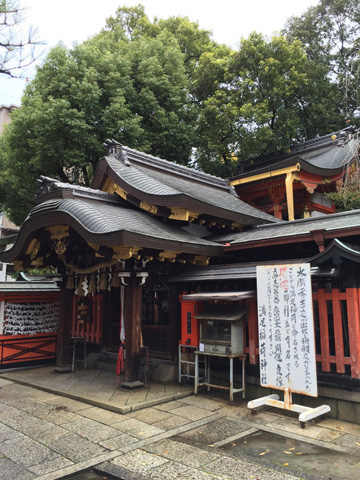
Satisfied Inari Shrine

The name of the shrine is derived from the fact that the prayer for the success of Toyotomi Hideyoshi was granted; the name of the shrine is also enshrined as the guardian deity of Fushimi Castle.

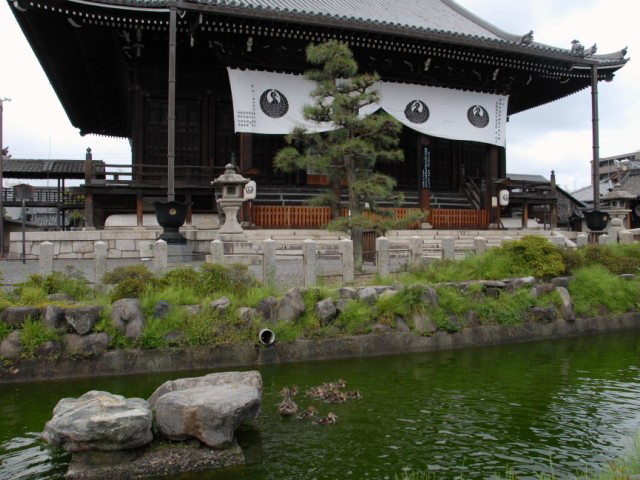
Motoyama Kōho-ji Temple

At the end of Kamakura, the Nichiren Honshōyama, founded by the Nisson Jōjin; the vast precinct of 16,35 sq m has a stately style, counting the main temple, the main temple, the Kaizando, the bell tower, the back, and the shoin.

Heian Shrine

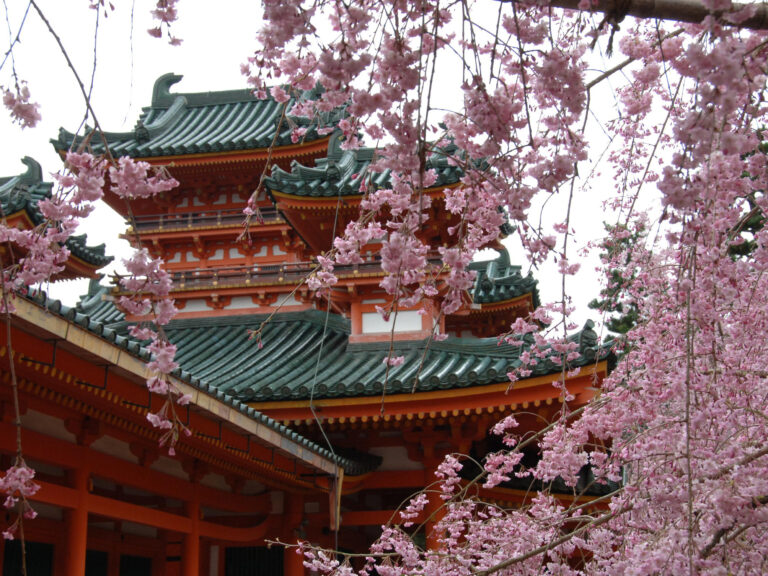
He enshrines Emperor Kanmu and Emperor Kōmei at a shrine founded in 1895 to commemorate the year of the Heian Jiandu 1100. The shrine was restored by shrinking Chōdoin, the official government office of Heiankyo, to about five-eighths. The white sand of the precincts is reflected in the shrine of the shrine, giving the elegant atmosphere of Heiankyo. The shrine, which is about 30,000 square meters of excursion garden surrounding the main shrine, has beautiful views of the four seasons, such as the cherry blossoms in the spring and the flowers in the early summer. The festival on October 22 every year is a festival of the Heian Shrine, one of the three major festivals in Kyoto.

Tōtenno Okazaki Shrine

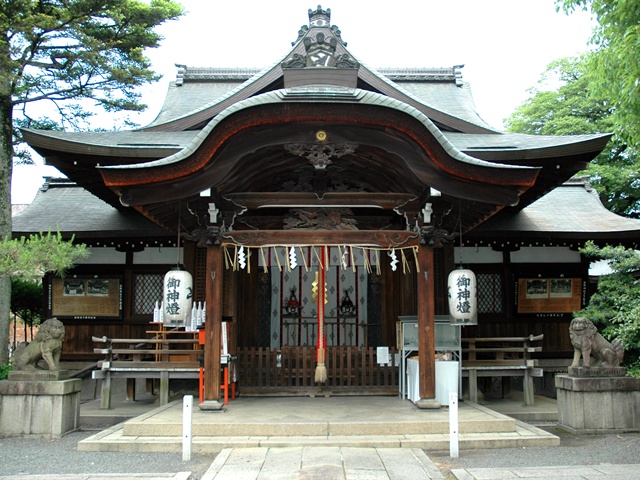
From the fact that Gōyō Sono (Susono no Miko) was born with eight pillars of the child gods, and that the rabbit, a symbol of child treasure and safe, once inhabited the Jinza area at the direction of the rabbit in the city, he worships the rabbit as a godchild, and is deeply worshiped as a god of child-giving and safe life. There are many rabbits on the grounds, such as child-giving black rabbits and koma rabbits. The character of "Saki" at Okazaki Shrine is officially Yamaki +.

Shinjyo-do Temple (Shinjyo-do)

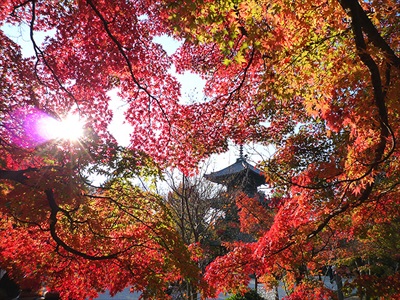
A temple of the Tendai sect known as a spot of autumn leaves. It is known by the name of Shinjodo. In the second year of Eikan (984), the statue of the Amitabha Nyorai (Important Cultural Property), which was located in the Hieizan Jōgyodo, was opened as the main statue. The statue is reportedly written by the Jikaku Daishi Ennin, and the alias is called "Nodding no Mida", which is said to be of benefit to the salvation of the lady. The present-day Dōu is a reconstruction of the middle Edo period, and the vast precinct is lined with the main temple (Important Cultural Property), the sōshitō, the Daishitō, the bell tower and the tower temple, giving the stature of the great temple. On November 5-15, the Juya Daihoyo (Juya Daihoyo) was held, and the Amitabha Buddha statue was opened on the 15th. The great nirvana map of the temple treasure will be released from March 1 until the first Sunday of April.

Holy Council

A gatehouse temple related to Emperor Shirakawa. In Kanji 4 (1090), when Emperor Shirakawa visited Kumano Sanzan, he took control of the students from all over the country at the temple he gave to the priest, Shoujo [Zouyo], who served as his predecessor. Later, it became a monkage temple since Emperor Go-Shirakawa's prince entered as the fourth generation. The current buildings such as Shinden, Hondo, and Shōin (Important Cultural Properties) are built during the Yanbao Year (1673-81). At the time of the fire at the Kyoto Imperial Palace in Tenmei and Ansei, it was designated as a historic site by Emperor Kōge and Kōmei as the temporary imperial residence. There will also remain more than 170 barrier paintings by the Kano school picture artist, as well as the Imperial Palace during the period, the Gokensho and the tea room. A special public viewing period in the fall. No application required.

Kurodani Kinkokmyōji

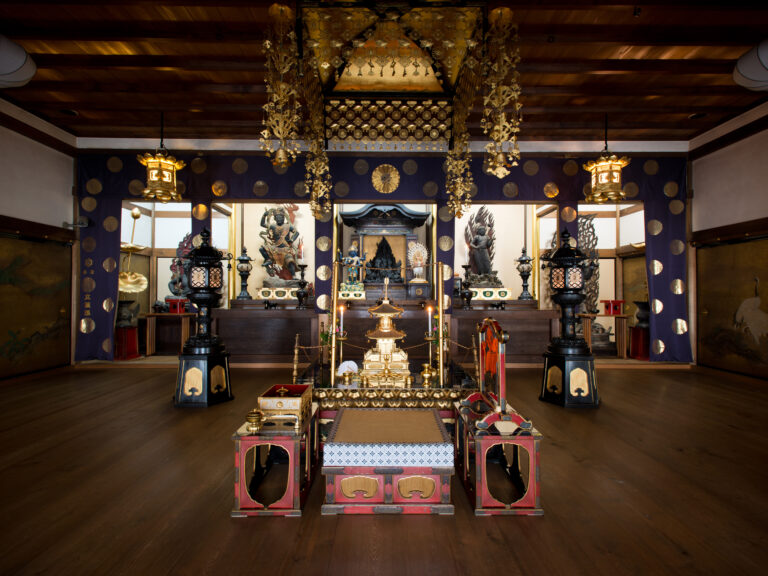
Omotoyama, a Jodo sect known as "Kurodani-san" by people from Kyoto. It is said that the beginning of the 5th year of Seian (1175) was when the Honen people descended from Kuroya on Mount Hiei and connected the hermitage here. The building has been hit by several fires, but each time it is being rebuilt. It is now lined with 18 Tōtō temples, as well as the mountain gates, the ossuado, the Amida-dō, the Mikage-dō, the kōtō (Important Cultural Property), and others. Among them, Ren-chiin (Kumagaya-do [Kumagaidou]) is known as the site of the residence of Naomi Kumagai, who took the head of Atsumori Taira in the Battle of Ichinotani. In addition, the statue of the main temple of the three-story pagoda, which was built to mourn the bodhisattva of the second shōgun, Tokugawa Hidetada, is said to be the work of Likei, and is now enshrined in Mikage-do.

Kyoto Kumano Shrine

In the second year of Hirohito (811), the beginning of the Japanese Enjō people's recruitment of Kishu Kumano Ōkami. It enshrines the husband-and-wife god Izagi-Ranmei and Izagi-Kanmei, who carried out the birth of the country, and their son-in-god Amaterasu. Profit is good, cheap, sick heiren, health longevity. Owarded by Kumano Ushio Treasure Seal, Karasu Defense, Nagi Defense, and Soccer Defense.

Contact Us: Business & Personal Inquiries

By proceeding, you agree to our Terms of Use And confirm you have read our Privacy Policy .

Notes

· We are available for inquiries 24 hours a day. Responses will be provided between 9:00 and 18:00 (including weekends, public holidays, and year-end/New Year holidays).
· Depending on the nature of your inquiry, it may take some time for us to respond.

RURUBU & ALL WAY JAPAN
Privacy Overview

This website uses cookies so that we can provide you with the best user experience possible. Cookie information is stored in your browser and performs functions such as recognising you when you return to our website and helping our team to understand which sections of the website you find most interesting and useful.