Archives: Travel Post

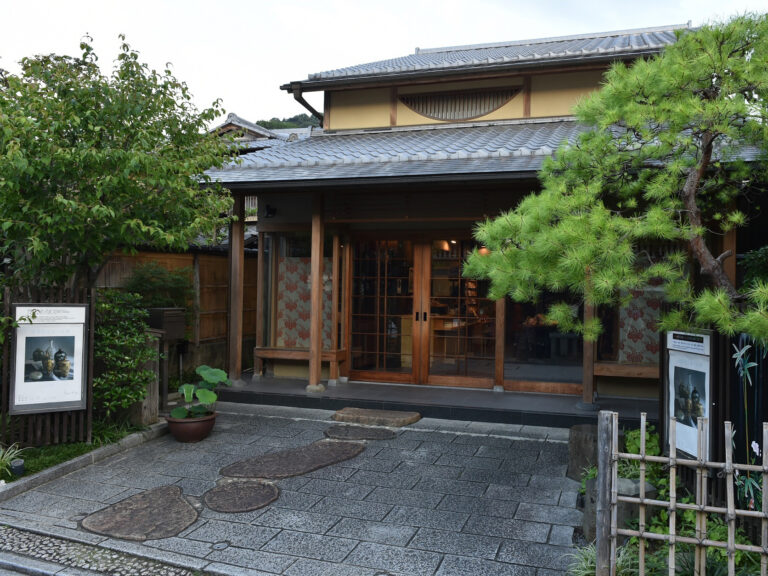
Shimizu Sanenzaka Museum of Art

The museum, which houses and displays gold-working, cloisonne, sama-e, Kyoto-satsuma, and sculptures from the Bakumatsu and Meiji periods. The first floor is a permanent exhibition room, where the exhibition of works and the techniques of each craft are explained and explained by tools, materials and process samples. DVD footage can also be seen. On the second floor, a special exhibition is held every three months. A must see dense, delicate and advanced decorative techniques, such as the works of metalwork by Katsuyoshi Masami and the works of sowing paintings by Matsuya Hakusan. The attached museum shop sells books, original goods, and Silk Road crafts.
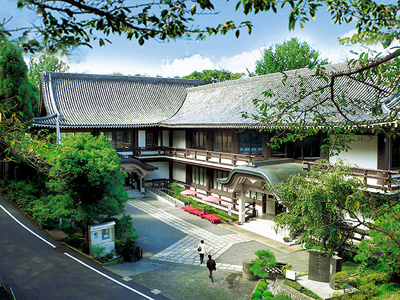
Bakumatsu Restoration Museum Reiyama History Hall

History Museum dedicated to the Bakumatsu and Meiji Restoration. It will display material from Shishi and others who were active in the Bakumatsu Restoration, including Ryoma Sakamoto and Shinsei, Takamori Saigo and Takayoshi Kido. A must-see is the real-life display of the sword used in the Sakamoto Ryoma assassination, Isamu Kondo and Tozo Hijikata. The images are also substantial, and a reproduction model of the Ikedaya incident is also on display. It is located in Higashiyama, Kyoto, and is adjacent to the Reizan Tōkoku Shrine, the site of the tomb of Ryoma Sakamoto.

Yasaka Tori

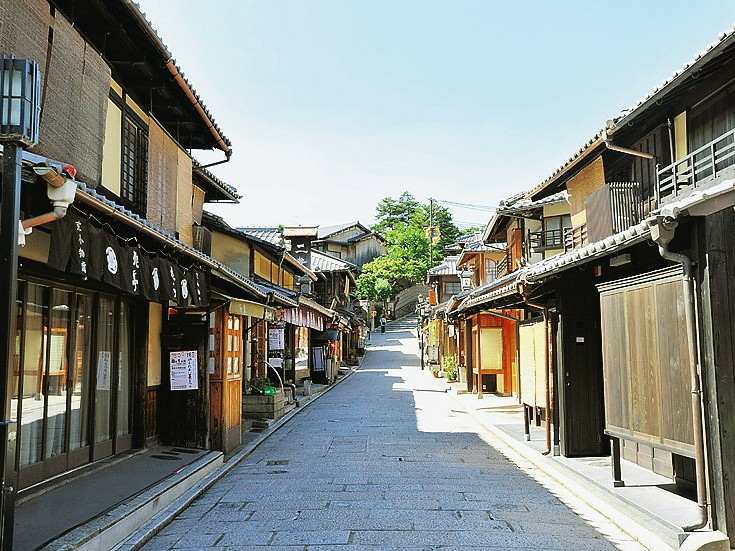
A road of about 700m that runs south of Kennin-ji to the "Yasaka no Tōto", a five-storied pagoda that stands in the precincts of Zen-ji Temple called Hōkanji. In particular, about 200m from Higashioji Road, which intersects on the way, to Yasaka-no-pagoda, is a gentle slope with narrow road width and cobblestones, and it is a tastely street that walks with a view of Yasaka-no-pagoda in front. If you walk slowly, you can enjoy the scenery that everyone has seen once in photographs, and there are many people who take commemorations as a point of Kyoto-like perfection. Note that access time may change depending on traffic conditions.

Ningsaka (Niigenzaka)

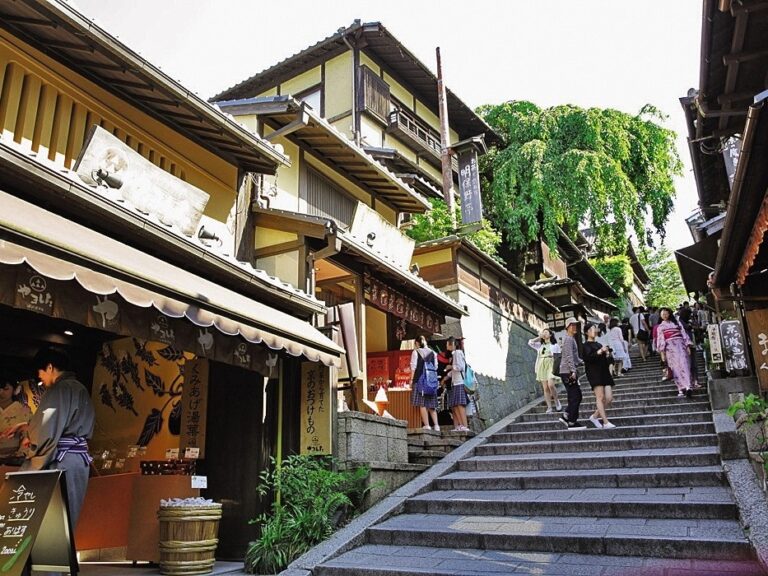
A 200m slope on the way from Kodai-ji to Kiyomizu-ji. Shops and cafes of the Kyoto-like townhouse are connected to each other along the slowly growing Ninosaka. There are two theories of the name of Ninaka (Ninenzaka), which is located in front of the Sanenzaka (Sanenzaka), and that it is a slope formed in the second year of Datong (807). The area, including the Ningsaka area, and the Hōkanji Temple with the Ningsaka and Yasaka pagoda, and the Ishikōji, has been selected as the "Kyoto City Preservation District of the Traditional Buildings of Kyoto City". There is also a monument of the "Takehisa Yūji Fōnō no Yūji no no Takehisa" on Ninosaka, as the Taisho Roman painter and the model Hikono lived in this neighborhood for a time.

Ningsaka (Sanyenzaka)

A stone-stepped slope that descends toward Kodaiji from the point where Gojo-zaka and Shimizu-zaka join to Kiyomizu-dera. There is also a stone staircase followed by a gentle cobblestone slope, and along the road, there are temples and museums, as well as old-established shops and popular cafes like Kyoto. It is said that the name was derived from Datong 3rd year (808), and it was said that it was called Oninguzaka because it was on the approach to the child tower of Kiyomizu-dera to pray for safety. The area, including the area of Hokanji with its pagoda of Yasaka, has been given national selection as the "Kyoto-shi Yinosaka Traditional Buildings Preservation Area" in Monzen-cho.

Gojosaka

Gojozaka, which rises loosely from Kawabata Gojo, is lined with Shimizu ware's shogen and pottery wholesalers, and the pottery city, which opens in August, is famous nationwide. A full-scale slope begins at Higashiyama Gojo, where the entrance to Otani's main temple is located, and the Kyoto Ceramics Hall, which is lined with Shimizui-yaki's works, is visible on the right.

Shimizu Shindo (Chawansaka)

The hill that branches off from Gojozaka and heads to Kiyomizu-dera Temple. It is a hole where you can enjoy an art walk, with a gradual increase in the number of hobby shops, such as the Pottery Gallery and the Aizome Studio. It was once named Chawanzaka because it was a place where Shimizu-yaki's shōgen stood, and a stone monument stands at the entrance of the slope.

Shimizu slope

The Sanyo-do to Kiyomizu-dera Temple, about 1km or so, starting at the location where Matsubara-dori, once the southern Odori of Heiankyo, crossed Tōdō-dori. Although it is a quiet slope where there is not much traffic, the souvenir shops continue to open from the place where it merges with Gojosaka and Sanenzaka, and when you go further, there are a lot of pickled and Kyoto souvenir shops such as Yatsubashi. There is also a Shimizu doll shop in front of the gate. At the top of the slope rises the Niōmen and the Mie Pagoda of the Kiyomizu-dera Temple.

Kyoto Hanagai Miyagawa Town

"Miyakawa-ji", one line further east than Kawabata-dori on the eastern bank of Kamogawa. A taunting street that connects from Shijo-dori to Gojo-dori. In one of the flower districts of Kyoto, there are still teahouses to which geisha and maiko belong, just like Gion and Ponto-cho. A part of Miyagawasuji 3-chome to 6-chome is designated as the "Gion-cho Minami Historic Landscape Preservation Scenic Area" in Kyoto, and sometimes you can meet geiko and maiko during a walk. "Kyo-odori" will be held in April and "Mizu-ゑ" will be held in October at the Miyagawa-cho Kuta-gyojo, where the general public can also enjoy the dance of geisha and maiko.

Gojo Bridge

The bridge famous for its legend that Ushiwakamaru and Benkei met. It was originally built over Gojobumon-dori (now Matsubara-dori) in Heiankyo, and was moved by Toyotomi Hideyoshi to his current location, which was two towns down to the south during the construction of the Hōkoji Daibutsuden during the Tensho years (1573-92). While surrounded by a wave of cars, statues of the Ushiwaka Maru and Benkei stand in the parkland of Xizai.

Contact Us: Business & Personal Inquiries

By proceeding, you agree to our Terms of Use And confirm you have read our Privacy Policy .

Notes

· We are available for inquiries 24 hours a day. Responses will be provided between 9:00 and 18:00 (including weekends, public holidays, and year-end/New Year holidays).
· Depending on the nature of your inquiry, it may take some time for us to respond.

RURUBU & ALL WAY JAPAN
Privacy Overview

This website uses cookies so that we can provide you with the best user experience possible. Cookie information is stored in your browser and performs functions such as recognising you when you return to our website and helping our team to understand which sections of the website you find most interesting and useful.