 English
  Japanese
  Chinese (China)
  Chinese (Taiwan)
  Korean
 Emi Shrine

It is known as "Ebesan" at a shrine that is also known as one of Japan's three largest ebisu. The Toka-Pebisu festival (Hatsuebisu), which is held from January 8 to 12, is full of people who wish for a thriving business.

It is known as "Ebesan" at a shrine that is also known as one of Japan's three largest ebisu. The Toka-Pebisu festival (Hatsuebisu), which is held from January 8 to 12, is full of people who wish for a thriving business.
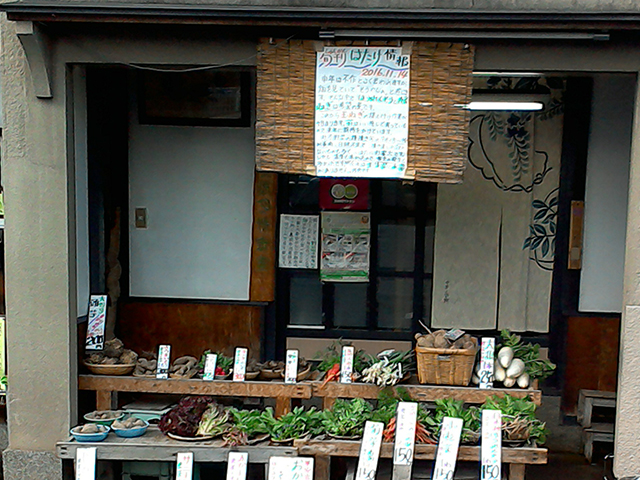
We are particular about the season of Sanri Shikata, and sell delicious vegetables made by using old-fashioned cultivation methods without using pesticides or chemical fertilizers in the open ground.
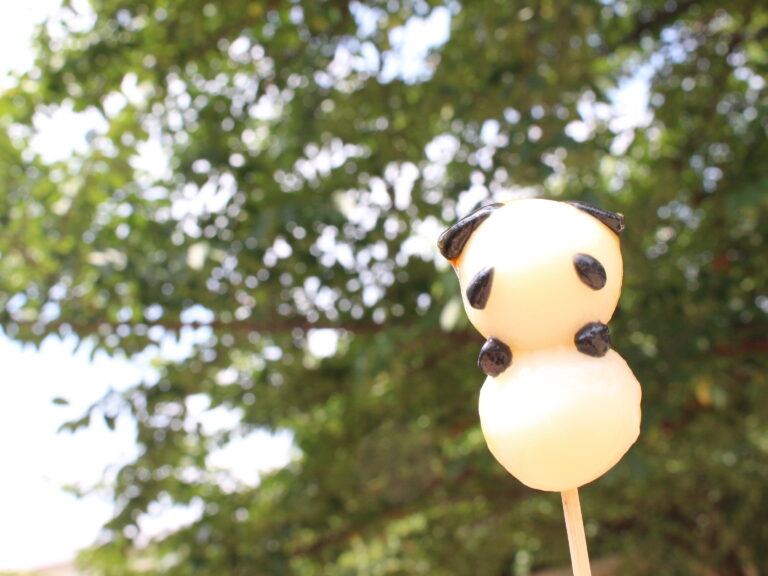
A bun shop opened in 2013 by a shopkeeper who loves pandas and dumplings. There are only two types of products for the whole year: Mitarashi dumpling and "Pandango" which mimics panda. The appearance of "pandango" being burned on a net and swimming in a soda are surreal and cute. The original goods, which can be purchased in stores and on the Internet, are so popular that there are collectors.
A Japanese-style confectionery store founded in 1952, located by the east gate of Kitano Tenma-gū. The recommended "Yakimochi" contains a simple sweet tsubu paste made over 7 hours with a wood fire, and it is delicious without getting tired. The skin of the rice cake with a pestle becomes very good when it is baked even if it becomes hard. It can be purchased from one piece and eaten in the store, so it is popular with worshipers who come to visit Tenjin.
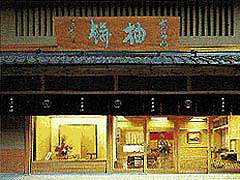
Beautiful Kyoto sweets line up in the shop. The Kyoto Kanze 1512 yen, which has a light sweetness, and the Yuzumochi 540 yen, which has a refreshing flavor of yuzu, are pleased with souvenirs. In the second floor, at the kaiyu teahouse, artisans prepare seasonal raw sweets in front of you, and you can eat freshly made. Seasonal raw sweets and matcha 1210 yen.
The specialty tankiri candy, which is also a brand name, does not use any fragrances and only ginger juice, and is said to be effective for coughing and sore throat. There are about 20 other candies such as Nikki, mint, perilla, and ground tea, each from 350 yen per bag. In addition to candy, there are various sweets. Shipping is possible for 3000 yen or more (shipping required).
We set up a shop in Nishitan and have a history of more than 130 years. We continue to produce beautiful sweets that express the four seasons using selected materials.
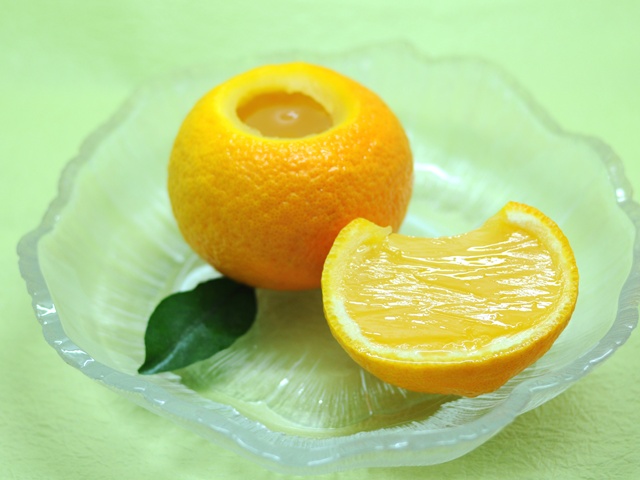
A long-established Japanese confectionery store located near Kitano-Tenma-gū, in Kamikanichi, Hanamachi. The company was founded in Meiji 41 (1908), but the Oimatsu family was involved in the making of confectionery for ceremonies and liturgical ceremonies in the middle of the palace during the Heian period, hence the name "Yujyo Confectionery Goshosho". The store facing the Kamikanichi-dori street is full of style, and the store has beautiful seasonal raw sweets, as well as the specialty confectionery "Gosho Car" and the Keifuzuki mochi "Koka mochi", and the limited-time sale "Natsu Citrus", such as there are Japanese sweets that are perfect for gifts. Tailor-made consultation is also OK.
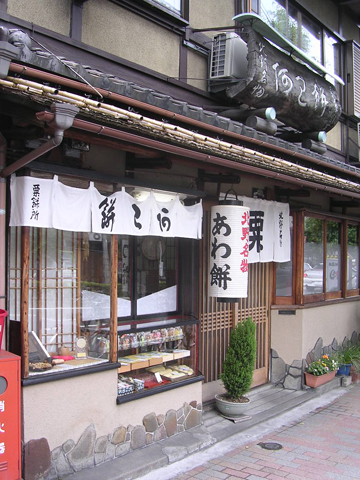
A tawashi-mokyosho near Kitano Tenma-miya. The store was founded as Tenwa 2 (1682), and has been making only awaymochi since the time of the Edo shogunate's fifth generation general, Tokugawa Tsunayoshi. There are two types of awanmochi, which are characterized by a slight sweetness and a crisp texture, and are wrapped in light paste and sprinkled with fragrant kinako. You can eat it in the store as well as take it home.
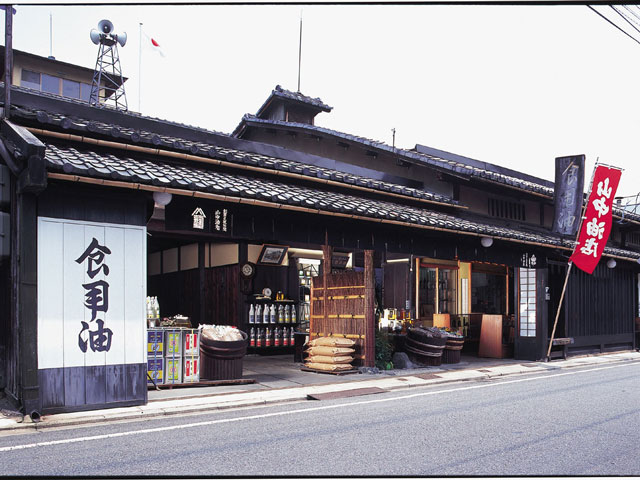
Since the late Edo period, he has been dealing with all kinds of oils, including edible, painted, and cosmetic. The olive oil that you can buy after you taste is fresh enough to drink. The master himself goes to Italy and buys it. The building has been designated as a registered tangible cultural property of the Agency for Cultural Affairs, a landscape important building and a historic landscape building of the city of Kyoto.