 English
  Japanese
  Chinese (China)
  Chinese (Taiwan)
  Korean
 1st Nagisa Park
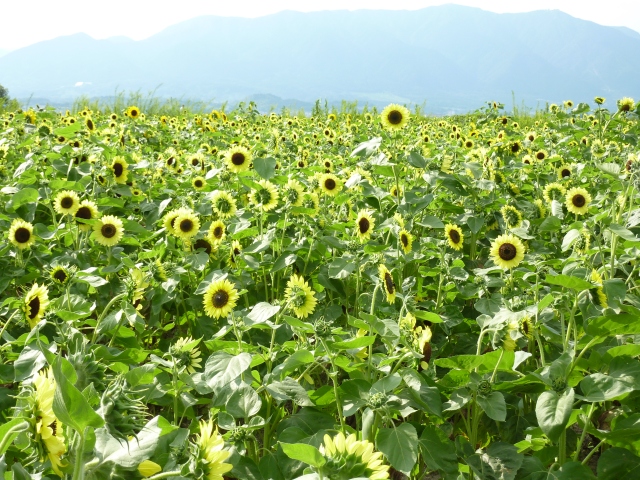
Against the backdrop of the snow-covered Hira Mountains and the majestic Lake Biwa, about 12,000 "Kanbaku Hanasai" flowers open in late January-early February, and the same number of sunflowers in summer.

Against the backdrop of the snow-covered Hira Mountains and the majestic Lake Biwa, about 12,000 "Kanbaku Hanasai" flowers open in late January-early February, and the same number of sunflowers in summer.
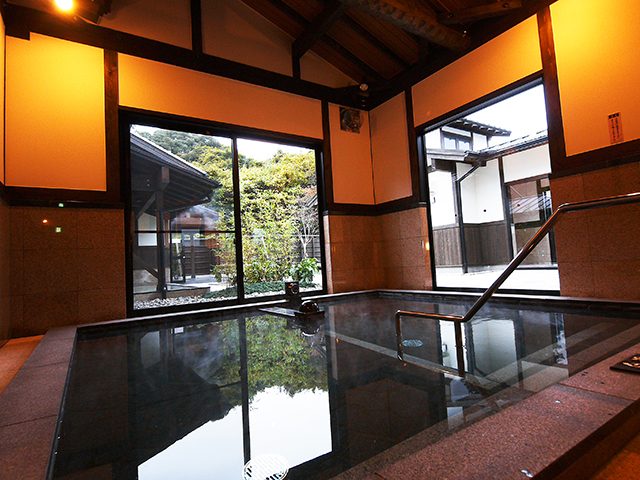
A day-trip hot spring facility in Moriyama City, where you can enjoy the hot springs that spring from 1300m underground, with open-air baths, sleeping and inner baths. In addition to the hot spring facilities, the wooden building includes massages, Thai-style manipulative "Karada Lab", Korean-style Akasuri, a restaurant, a drink bar, and a recliner rest room.
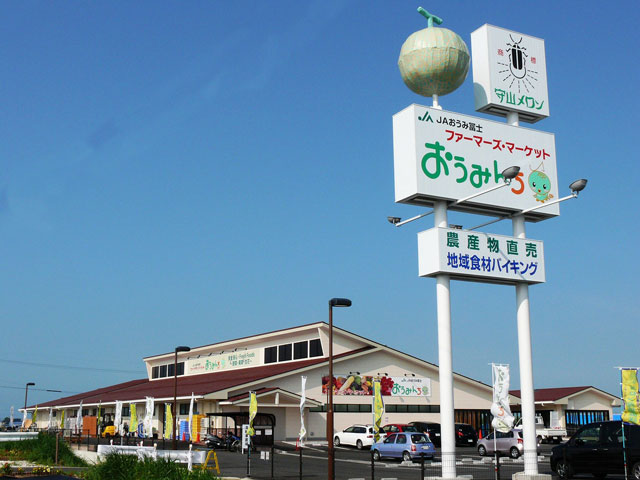
It is one of the largest local produce stores in the prefecture that has been operating since 2008, and is full of safe and secure produce and fresh flowers. From June, Moriyama melon is also on sale. It also features a Viking restaurant using local produce.
There are about 20 kinds of cakes, baked goods and cookies that use as much locally produced ingredients as possible and make use of simple but ingredients. As a souvenir, Funazushi pie with Funazushi is 110 yen, and baked rice with sweet potato is 180 yen.
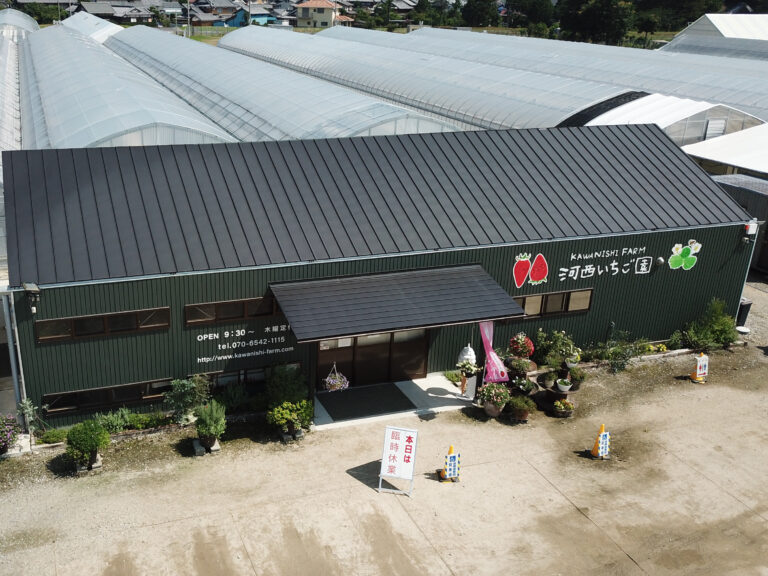
A strawberry plantation located on the outskirts of Moriyama City. With special cultivation methods and unique ingenuity, eight varieties such as Shohime, Kaorino, and Yotsuboshi were cultivated. From December to the end of May, you can enjoy plenty of comparison of recommended sweet ripe strawberry varieties. Rates vary depending on time of year and day of the week. At ICHIGO CAFE, a plantation cafe adjacent to the strawberry hunting house, strawberry sweets such as strawberry milk soft cream are very popular. They also sell jam and strawberry butter sandwiches. Strawberry picking is carried out for a limited time.
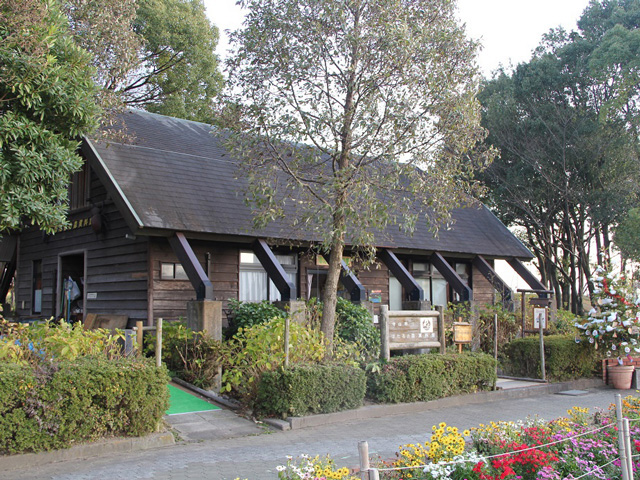
In addition to exhibits about fireflies, we also exhibit creatures that can be observed in the city. From mid-May to early June, you can see the flight of the fireflies in the firefly river of the facility.
"Omi Myoren", which is said to have been brought back from Tang, blooms in late July-early August.
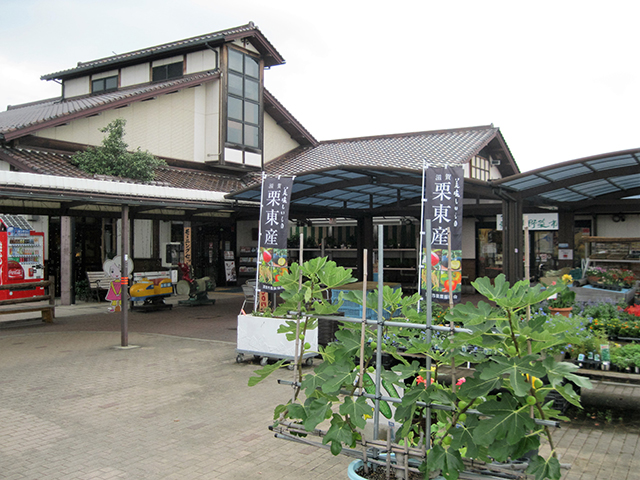
A restaurant with a view of the Shinkansen train was very well received. An exchange base for information and flavor, such as safe and secure tofu, bread gelato, and prepared foods that are handmade from each workshop using seasonal produce, as well as a restaurant with fresh ingredients.
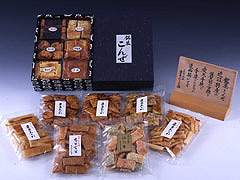
It boasts a handmade hail made from a speciality of Omi's Shiga-hwa double-cake, which is baked over a charcoal fire of Jigami. There are seven single items, including the miso-tailored Kori Kosato [Karikori], and Shionoha, which has a savory flavor of kelp and shrimp. It costs 400 yen for 95g each. You can also visit the factory.
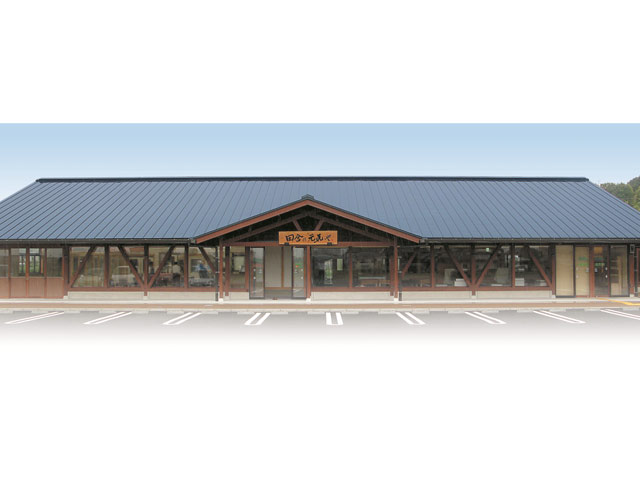
In Building 1, fresh vegetables grown with great care by local farmers are zrali. Processed products such as homemade pickles are also popular. There are onigiri-tei, the first in the prefecture to sell freshly-held rice balls using Kuritō Koshihikari in a drive-through manner, and restaurants that cook and process ingredients, mainly local produce, and offer many menus such as set meals and rice bowls.