Archives: Travel Post

Kōga no Sato Ninjutsu Village

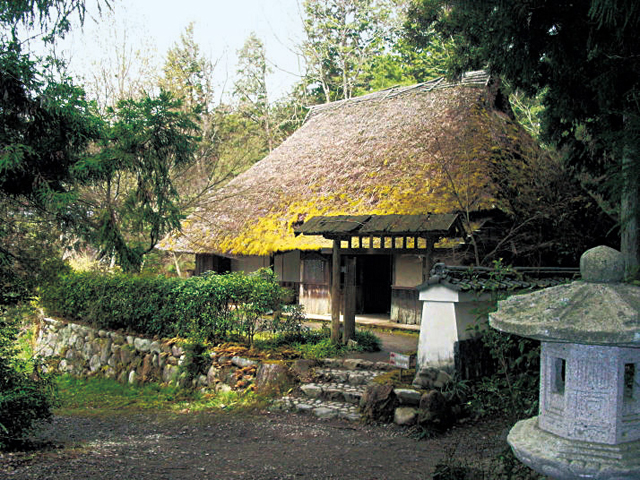
You can see the ninja Iroha in the nature-rich grounds. The ninja experience of actually wearing a ninja costume (costume cost 1100 yen) and climbing a stone wall or walking along the wall is free. Six shuriken throws are 300 yen. There is also a museum that displays ninja tools and costumes, and a ninja mansion with a karakuri. You can also enjoy barbecue 2500 yen.

Children's Forest

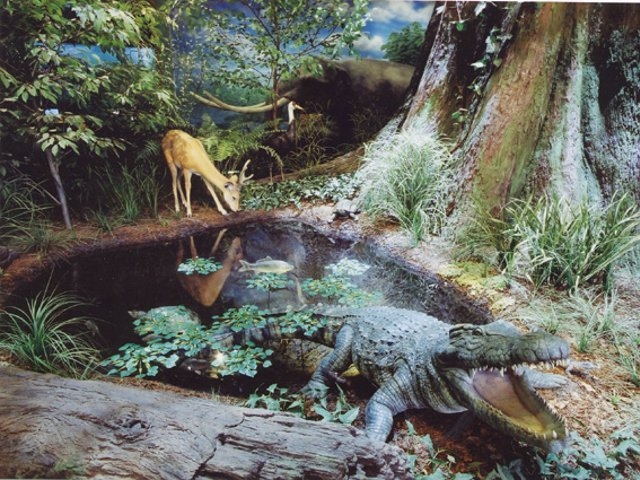
The village village is maintained as a whole nature park. Most of the large grounds are forest, and hiking trails are provided for easy walking. There are wetlands and ponds in the forest, and medaka and tadpoles are swimming in the hands-on farms. In the summer, dragonflies fly around, and in the autumn, pine beetles and crickets squeal, so that they can interact with various insects throughout the four seasons. The natural house of the central facility is a museum that showcases the nature of the city of Kouga, and there are exhibits of fossils and organisms.

Takami Mizube Park

A hydrophilic park maintained at the foot of Mount Aoyu, upstream of the Aono River, which originated from Minami Suzuka. Weirs and stone steps are set up in the Aono River flowing through the rich greenery to create a changing flow. In shallow water, small children can enjoy it because it is calm and the water depth is shallow. The water slider "Nameradaki", which makes you want to try many times with splashing water, has two curves, about 10m long and about 20m, and is the best target for children. An administration building with a training room, a campsite (tent site), a cooking room and a lawn square are provided on the site, and barbecues can be enjoyed without a reservation.

Watermouth Castle Site

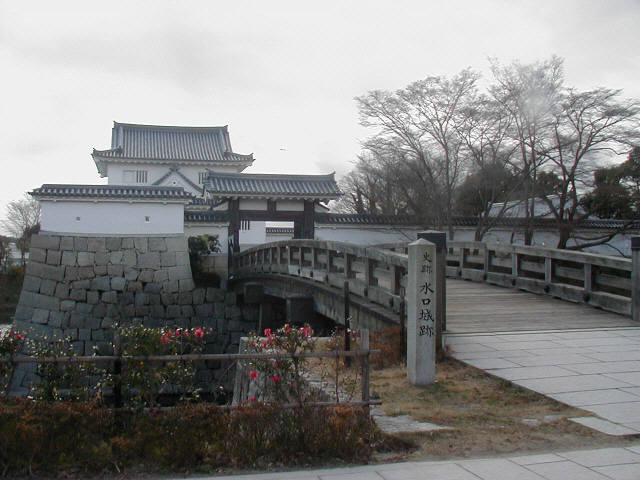
Mizuguchi Castle was established in line with the Tokugawa 3rd Shōgun Iemitsu's Kyoto Shōkō, and in the year of Kanei 11 (1634), the castle was built to the west of the Tōkaidō Mizuguchi-juku. It was called Hekisui Castle because of its beautiful water moat. At present, Kakuzō [Sumiyagura] is shown in the Demaru area, and is published as the Mizuguchi Castle Museum.

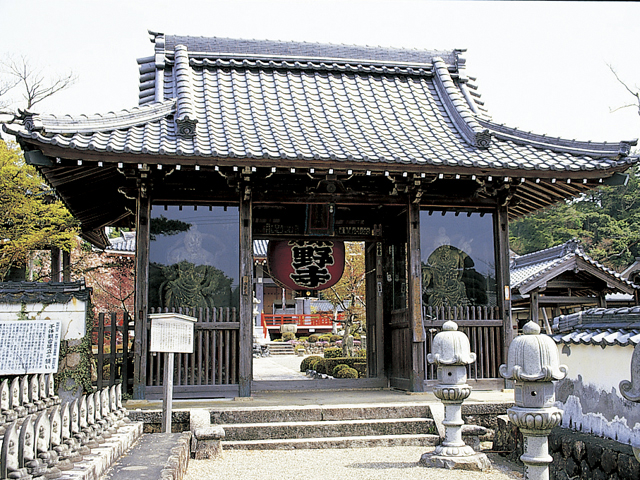
Tōnji Temple

In the year of Enryaku 11 (792), Saisō, who visited this place, felt a spiritual dream, so the eleven-faced Guanyin Bodhisattva (an important cultural treasure) carved into a yew tree is celebrated as the main priest. It is one of the largest wooden sitting statues in Japan with a height of 3.3m and will be specially released on November 3 in the spring and autumn of the Diabetes Mellitus.

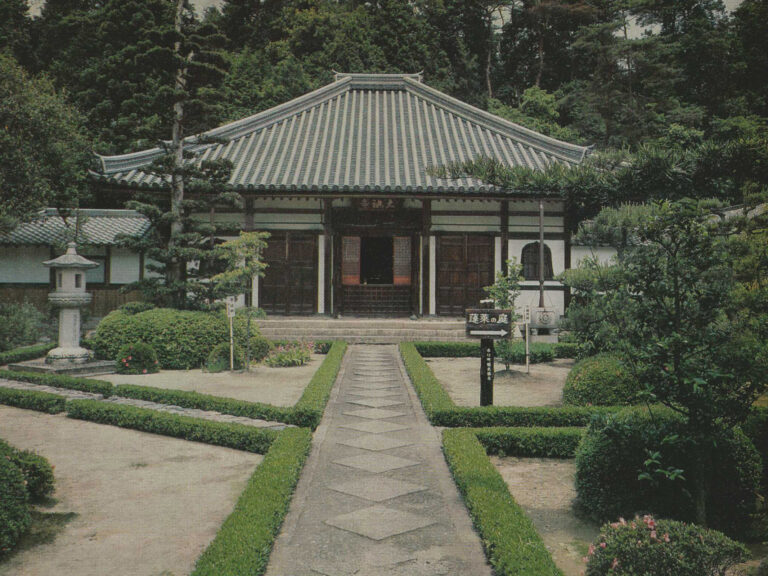
Great Pond Temple

During the Tenpyo year, Gyoki, who had received a royal decree, built the main temple in the center of the four storage ponds. The Penglai (Horai) garden, where the beautifully cut Satsuki is impressive, is an ornamental style Karesansui garden with a rich Zen flavor, and is said to have been built by Tohshu Kobori. Satsuki and white sand represent a treasure ship that runs across the ocean, and it is about late May to mid-June, which is colored with red-white flowers.

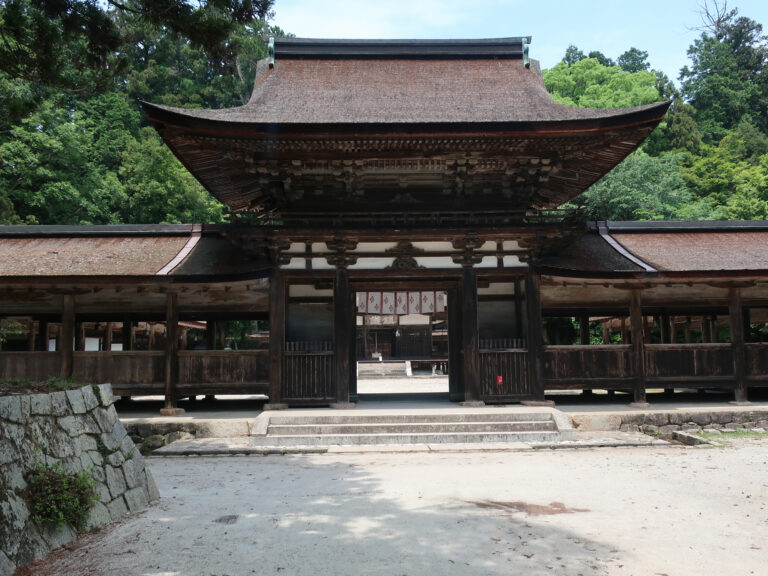
Oil Day Shrine

The description of the third year of Japan in the history of the Six Kingdoms (877) on December 3 as "the sixth place of the king of the gods, the sixth place of the king of the gods, the fifth place of the gods, is found to be the foundation before the first year of the kingdom (877). After the Middle Ages, he was called the Inokudaisha in Jiangsu, and was worshiped by the Kōga Samurai (Kōga Kōshi, Kōga Ninja) and others as a general shrine in Kōga District (the combined area of present-day Kōga and Hunan cities). The main hall, the main hall, the main hall, the tower gate, the east corridor, and the west corridor are each a national designated important cultural property, and a group of shrines from the Muromachi period exist. At present, as the name of the company, the oil industry of the whole country is also gaining faith. It was also introduced in Masako Shirasu's book" Kakerosato ", and in recent years is famous as a location for films and dramas.

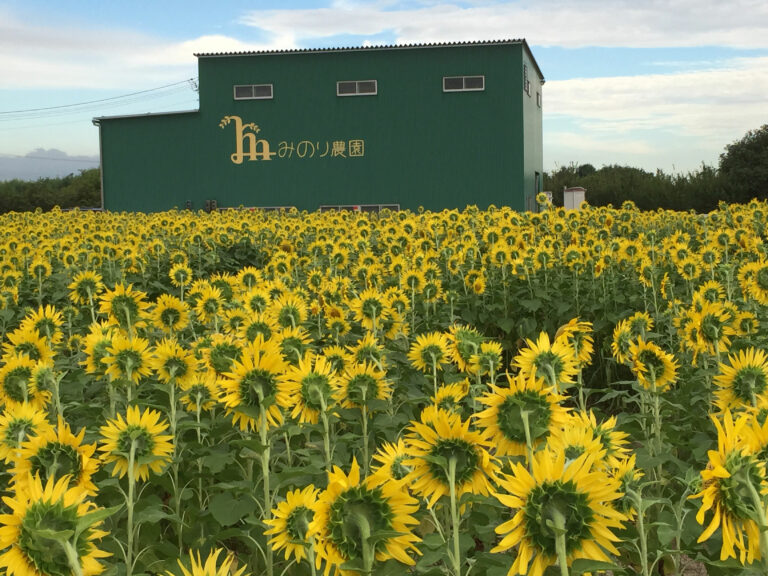
Minori Plantations Co., Ltd. (Kansai Wide Area Area Tourism Plantations)

A plantation in the southern part of Lake Biwa that produces and processes rice, Tamba black beans, and wheat using organic fertilizer. Black beans are processed into black bean paste using sunflower oil and black bean tea "black tea", as well as "black bean pong" in a self-made pong machine. There are also "white rice pong" and "brown rice pong", which are made from white rice and brown rice, and sold at the JA direct sales office as well as the plantation office. If you bring white rice or brown rice, it will also process. The Yasu City Youth Farmers Club, which is represented by the farm owner Mr. Miura, will also hold an edamame harvest experience at the "Oide Yasu Sunflower Maze" in late July-early August and the "Edamame Harvest Festival" in October.

Contact Us: Business & Personal Inquiries

By proceeding, you agree to our Terms of Use And confirm you have read our Privacy Policy .

Notes

· We are available for inquiries 24 hours a day. Responses will be provided between 9:00 and 18:00 (including weekends, public holidays, and year-end/New Year holidays).
· Depending on the nature of your inquiry, it may take some time for us to respond.