Archives: Travel Post

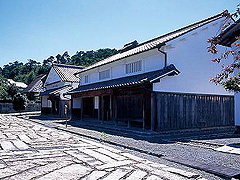
The village of the Ishibe post hall

In the Edo period, Ishibe-juku was known as "Kyotachi Ishibe-doori" and was a bustling town of the Fifty-Third Tōkaidō. As you pass through the entrance, there are thatched-roofed private houses, tea shops, merchants, and travel baskets lined up along the cobblestones. Living tools such as wells and furnaces are also displayed in the building, and you can see one end of life at that time. The Tōkaidō Ishibe Historical Folk Museum, which presents the history of the highway, is also attached.
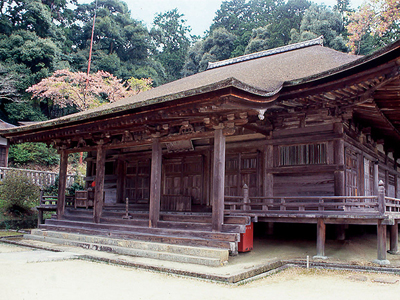
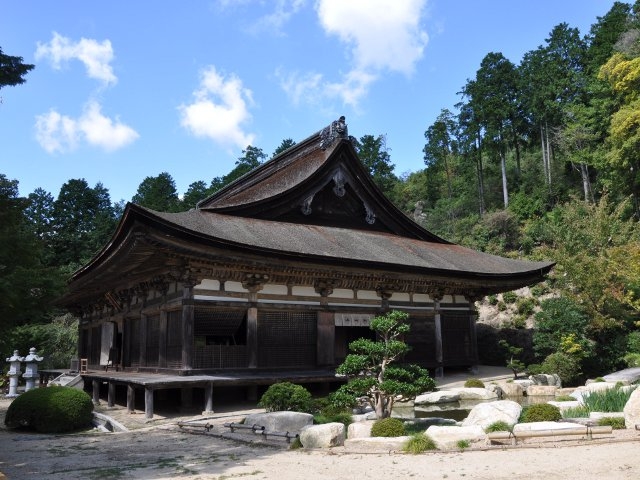
Changsu Temple

During the Tenpyo Year (729-749), Ryoben Monkō was founded by Emperor Shōmu's Imperial Court. Chōju-ji is referred to as Tōji-ji as opposed to Jōraku-ji in Saidera. The main temple (national treasure) of Hiyodabu [Hiyadabu] Kiyōzuki [Yosemune-zukuri] is from the early Kamakura period, and Benten-do (Important Cultural Property) is from the early Muromachi period. In the old days, there was a three-story pagoda, as was the Jōraku-ji, but it was moved to Azuchi Castle by Nobunaga, and it is said to be a pagoda that still remains at the site of Sōmji Temple in Yamanaka.

Zensui Temple

The famous temple stands on the green deep Iwane Yamanaka belly, which was founded during the Japanese copper year and was re-founded by Saisō [Sai-cho]. In the precincts, there is a main hall (national treasure) built by a cypress-skinned Irimoya, which was rebuilt in the year of Sadaharu 5 (1366), and about 30 statues of Buddha, including those from the Heian period, are enshrined in the temple. Fifteen of them have been designated as important cultural property of the country. Due to the healing of Emperor Kanmu's illness, Shimizu, which is also the origin of the temple name, still springs.

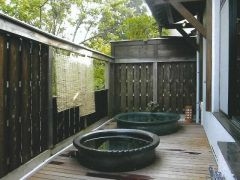
Kōga Shinobi no Yuku Miyano Onsen

Miyano Onsen, a one-of-a-kind inn in a rural garden located in the hometown of Kōga-ryū Ninjutsu, close to the pottery village Shigaraki. Day bathing is also accepted. Both men and women have a foot rock bath and an open-air bath in the bathhouse, and together with the large bathhouse, it is popular as Shinobi-no-yu. There is also a private open-air bath that can be used on a day trip.

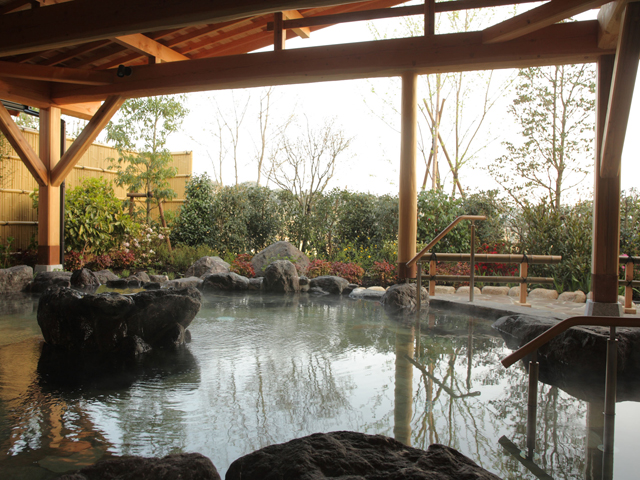
Kouga Onsen Yappampon no Hot Water

It is a stop-by hot spring attached to Diamond Shiga (accommodation is from 17,200 yen per night for 2 meals per night) with hotels and golf courses, and it is possible for non-members to take a day bath. It boasts an outdoor bath where you can enjoy the scenery of the mountains. There are also family baths and bedrock baths (each separately charged) equipped with a bathtub of Shigaraki ware, and a "day trip hot spring good plan", which offers hot springs and meals as a set, is also set. There are also relaxation facilities and restaurants.

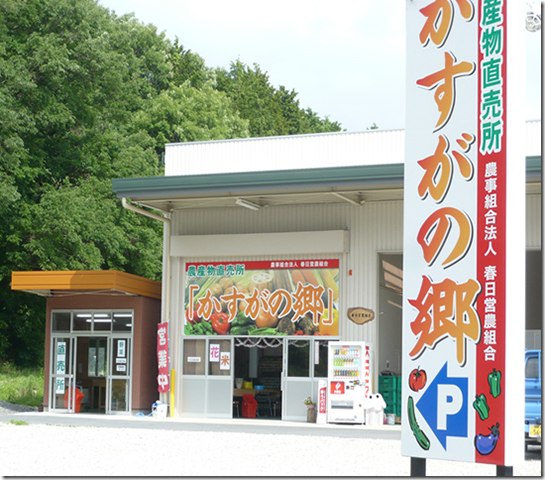
Hanano-shi Mizuguchi store (direct sales office in the Kansai Wide Area Association)

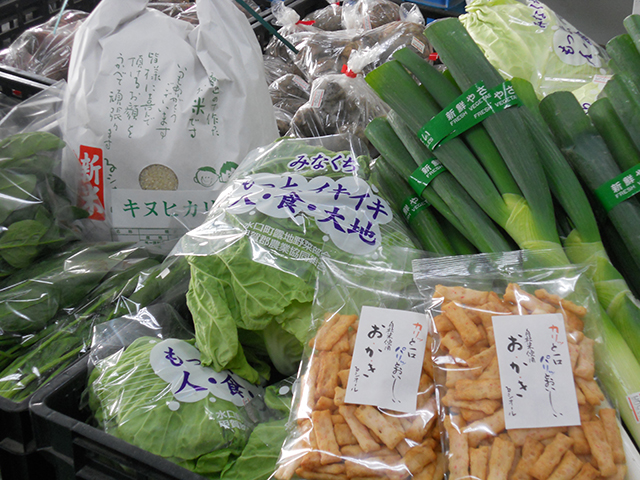
It boasts an assortment of products unique to JA's retail stores, including local specialty rice and tea, and seasonal local produce, as well as processed and dairy products, meat, eggs, and A-Corp products. Not to mention the city, many people visit from inside and outside the prefecture. About 500 production farmers have registered to ship, and large quantities of items are shipped according to the needs of consumers. The produce harvested each morning carries a price tag with the producer's name, and the unsold items are picked up later in the day.

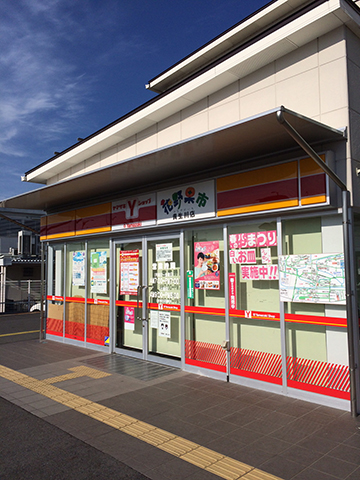
Hananoka-shi, Takao-gawa store (direct sales office in the Kansai area)

It is located next to the Kōgawa Branch, just off the south exit of JR Kōgawa Station. Convenience stores in which fresh local produce is available, in partnership with the Yamazaki Shops of Yamazaki Manufacturing Co., Ltd. In the center of the store, local fresh vegetables and processed products will be distributed, and handmade lunches and rice balls from local processing groups and agricultural corporations will be available.

Confectionery director Noda Honten

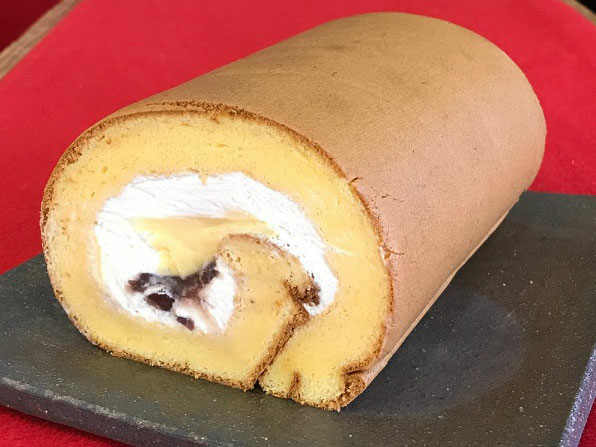
Founding Meiji 6 (1873) Kōga Ninja no Sato It produces and sells Japanese and Western confectionery in Kōga, Shiga Prefecture. "Ninjutsu Monaka" and "Kuno Ichinaka", which use Hokkaido Jukatsu red beans and Shiga Hanatu mochi, are popular locally as Kōga Ninja's village-like sweets. In addition, Shinobi Roll, which is made by using our specialty tsubu paste on a mochi-mochi roll cake, is also popular.

Contact Us: Business & Personal Inquiries

By proceeding, you agree to our Terms of Use And confirm you have read our Privacy Policy .

Notes

· We are available for inquiries 24 hours a day. Responses will be provided between 9:00 and 18:00 (including weekends, public holidays, and year-end/New Year holidays).
· Depending on the nature of your inquiry, it may take some time for us to respond.