 English
  Japanese
  Chinese (China)
  Chinese (Taiwan)
  Korean
 Showa Happiness Village Park
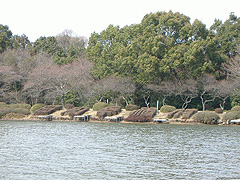
Boating, fishing and day camping can be enjoyed in the park with a total area of 330,000 square meters at the foot of the Suzuka Mountain. Pets are allowed. The Yoshino cherry blossom in spring is also stunning.

Boating, fishing and day camping can be enjoyed in the park with a total area of 330,000 square meters at the foot of the Suzuka Mountain. Pets are allowed. The Yoshino cherry blossom in spring is also stunning.
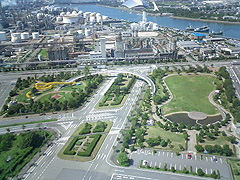
There is a lawn square full of openness, a waterfall full of coolness, a pond, and a passage that allows you to pass through the back of the waterfall. In addition, it is connected to Sydney Harbour Park, which has an adjacent playground equipment such as roller slides, and the Yokkaichi Port Building, which has an observation display room, "Umiterasu 14", by a footbridge, so it can be safely moved to and from.
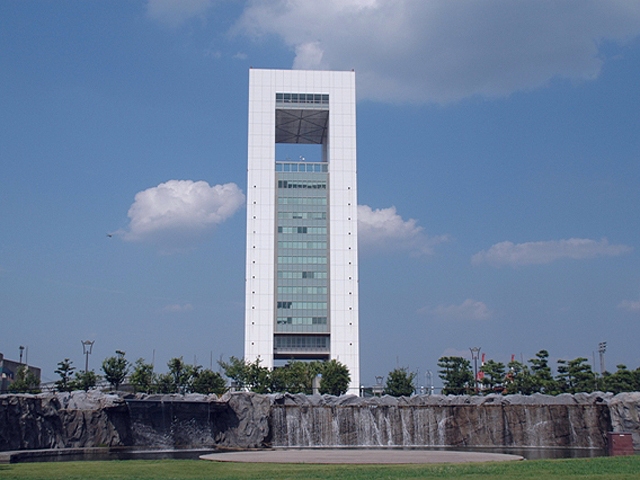
It is located in the Kasumigaura area in the Yokkaichi Port Port Building, which was completed in 1999, to commemorate the 100th anniversary of the opening of the Yokkaichi Port. You can also see Ise Bay and the Chita Peninsula from the observation exhibition room 90m above the ground, and the night view is also beautiful. 2015 (2015) The Yokkaichi Port Building was recognized as "Japan Night View Heritage (Facility-type Night View Heritage)".
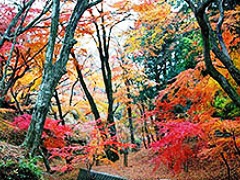
In the southern part of the Suzuka Mountains, the valley in the upper reaches of the Inner River, which flows between Mount Kamaga at an altitude of 1161m and Mount Irudo at an altitude of 906m, is the Miyazuma Gorge. It is a valley that is popular for hiking, mountain stream fishing, and river play, and there are municipal Miyazuma Gorge Hütte and a campsite near the entrance of Miyazuma Gorge. Mizusawa Momiji Valley is a valley in front of it. It is said that from the beginning of the Edo period, the period of the year of Genroku (c. 1688), the generation of the Komono feudal lord Hijikata visited the autumn-leaf cutting, which also served as a neighborhood in the territory, and made efforts to protect the nature of the scenic spot. It is said that it was named "Momiji Valley" in the 6th year of culture (1809). From late November to mid-December, the whole slope of the mountain is dyed with crimson.
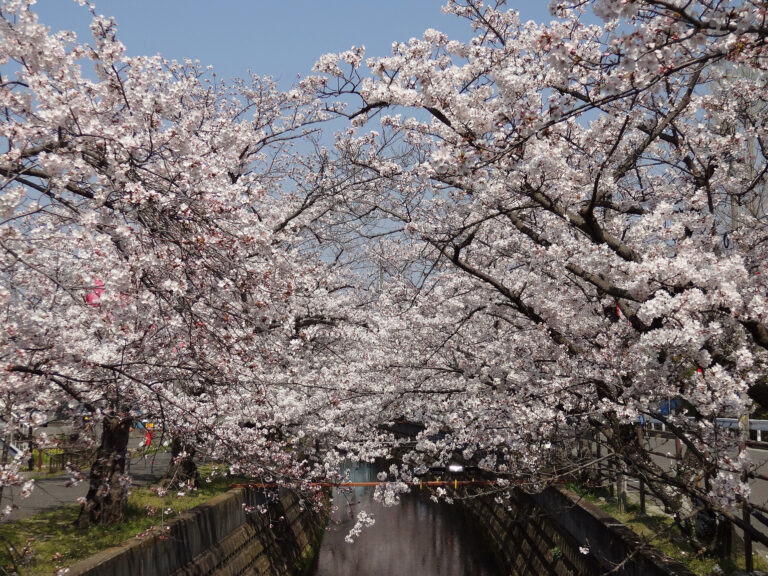
One of the best cherry blossom spots in the city, which was awarded a national award by the Japan Cherry Blossom Association. The cherry tree line continues 1.2km along the Jichi River. The river is narrow and there is a cherry-blossom tunnel at the time of flowering.
A striking facility is a novel building with earth motifs. The energy we use casually is as long as the Earth has grown for 4.6 billion years. Learn how to relate to energy and life while understanding that energy is not infinite. It is a theme park-tailored power house that conveys the symbiosis between the earth and people through games and attractions, where you can see, touch, realize, and play in an easy-to-understand manner.
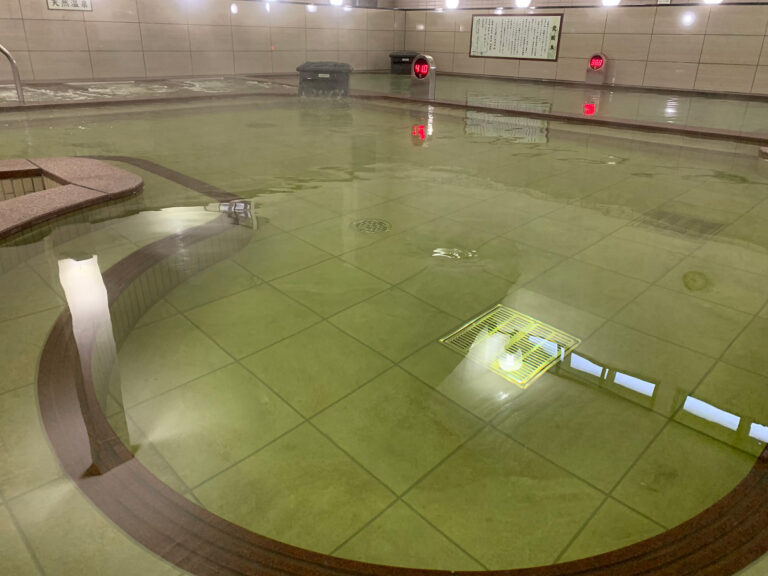
Day-trip bathing facilities that can be refreshed in 10 kinds of hot springs, including a charcoal-acid spring bath, an open-air bath, and a sauna. Body care and asuri are also available.
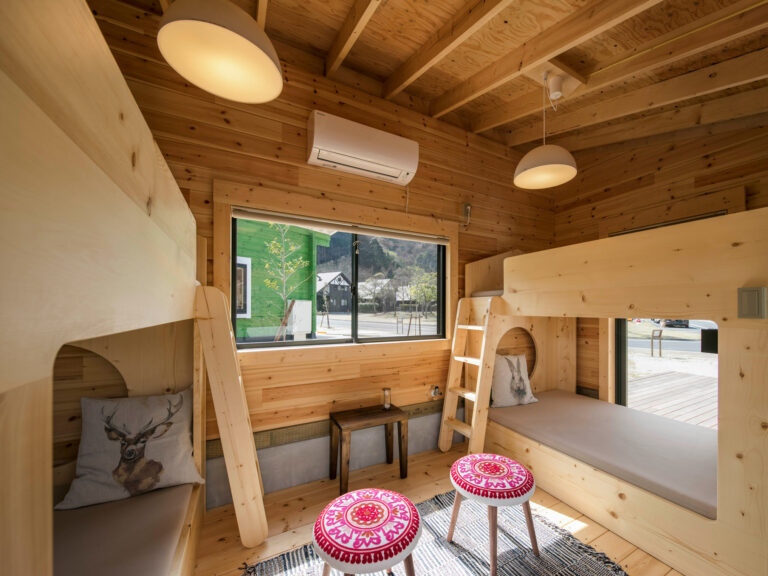
Inabe City in the northern part of Mie Prefecture, a high standard auto campsite with various types of accommodation and camp sites against the backdrop of the majestic Suzuka Mountains mountains and Aokawa. The facilities are well-equipped, such as a cooking room, a flush toilet, a shower, a water heater, and a laundromat, all are clean and easy to use, and women and families can use it with peace of mind. In addition, it is safe to find things that are not enough or forgotten in a good rental and concession store, perfect for a beginner or camp debut. Not to mention the river play in Aikawa, there is also a park with play equipment right next to it, so children are playing at ease. Everyone can enjoy the camp in comfort while enjoying the nature.
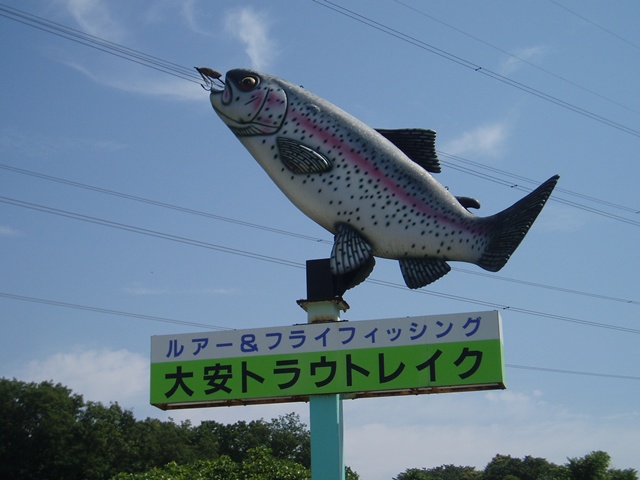
A trout fishing spot with a center for medium and large fish using a large natural pond about 20 minutes by car from Kuwana IC and Yokkaichi IC. You can fish for rainbow trout browns in an administrative fishing area complete with administrative offices, rest rooms, toilets, etc. The pier has a total of 210m and allows the lure fly to fly from the pier. There is also food fishing for beginners, and rental is also available.
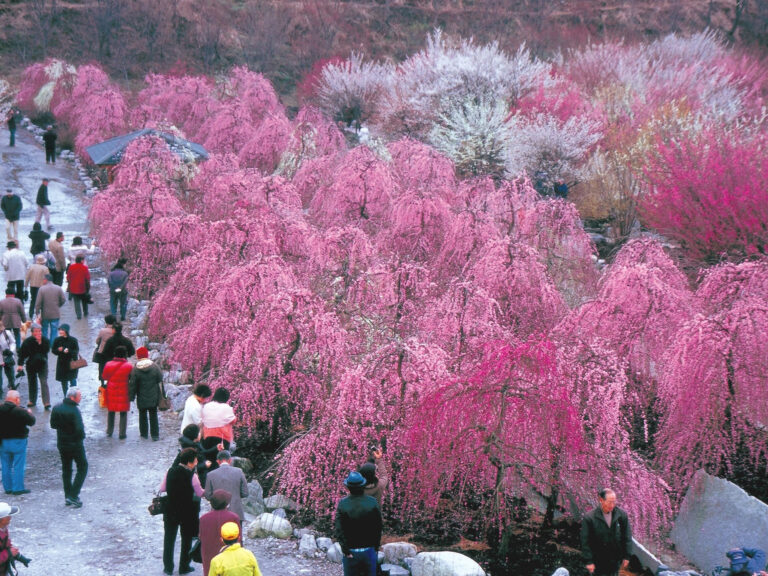
The park was created as an exchange base between the city and the rural village in the northern part of Inabe city, near Suzuyoko. An eco-welfare square area of about 180,000 square meters with a 36-hole park golf course, playground equipment and lawn square, a button garden where colorful flowers can be seen in April-May, an agricultural park restaurant where local vegetables can be tasted as a buffet, it consists of an area of about 380,000 square meters of Bairin Park extending south for about 1km. In the Bairin Park, where there is a plum forest of plum and real plum on the hill overlooking Fujiwara-dake, and a direct sale facility, red, white and pink flowers bloom from late February to mid-March, and a plum festival is also held. The experience of removing the fruits of the plum in late June is also popular.