Archives: Travel Post

Intuition

Kabura-bon is a lacquered basin that is made by the Nushi-Kanka that has continued since the Edo period. It is also called Kabura Bon because it has a picture of Kabura. The fabric basin that makes use of the grain is 1500 yen. Black bookpainting is in the 10,000 yen range.

Polygorges natural pool

Summer-only pool that dammed the river flow. Pool is open in mid-July. No disinfectant is used, the water temperature is about 20 degrees in midsummer. There are also events such as goldfish grabbing during the period until the end of August.

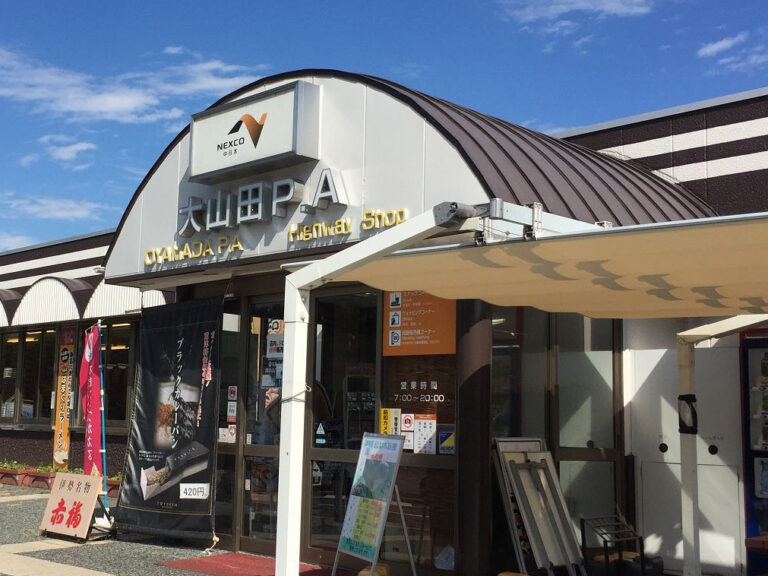
Oyamada PA [Up]

A parking area located in the city of Kuwana on the Tōmei Osaka Expressway. There are no rest facilities on the Tomeihan-do, Nagoya-Daini Ring Expressway, and Nagoya Expressway ahead of here, so you want to take a toilet break. The next rest point for the uphill area is about 46km away from the Tōmei Expressway, Tōgo PA. A PA of reputation among drivers for its small scale but substantial meal menu. "Gastsuri Udon Set Meal", which is a set of jumbo menchikatsu and udon, is reputed to have a high level of satisfaction with an overwhelming volume. There is a 24-hour "Family Mart", as well as a "Platto Park" that can be used all day.

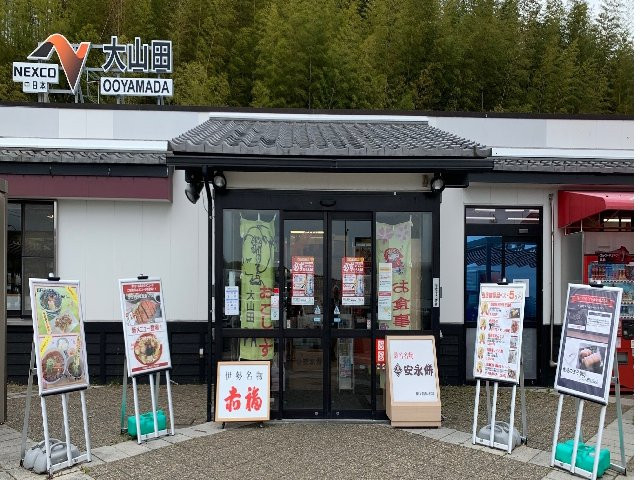
Oyamada PA [down]

A parking area located between Kuwana Higashi IC and Kuwana IC on the Tōmeihan Expressway. Compared with 92 small cars, the parking lot is also large, so it is easy to use. There are plenty of local Kuwana's famous products and popular gourmets such as "Hamaguri Ramen". The most popular souvenir is Kuwana Naminka "Yasunaga mochi". Granulated bean paste is tightly packed in a long baked rice cake, and the elegant sweetness and the baked fragrance spread in the mouth. In addition to the 24-hour convenience store "Lawson", there is also "Platto Park" which is available all day.

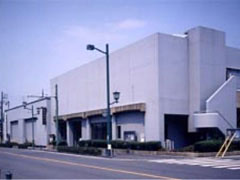
Kuwana City Museum

During the Edo period, the city of Kuwana, which was the castle town of Matsudaira Jōmanoku. The first municipal museum in Mie Prefecture, which was opened in 1985. The collection of Kuwana clan relations materials and Choko-yaki relations is substantial. Throughout the year, the exhibition holds a variety of planned exhibitions, including the exhibition of Kuwana's Ringaku (Chihane Tsuru), which connects and folds up to 97 cranes on a single sheet of paper. There is a planned exhibition room on the first and second floors (without elevator facilities). You can also experience the Rinkaku of Kuwana. There is also sale of original goods at reception.

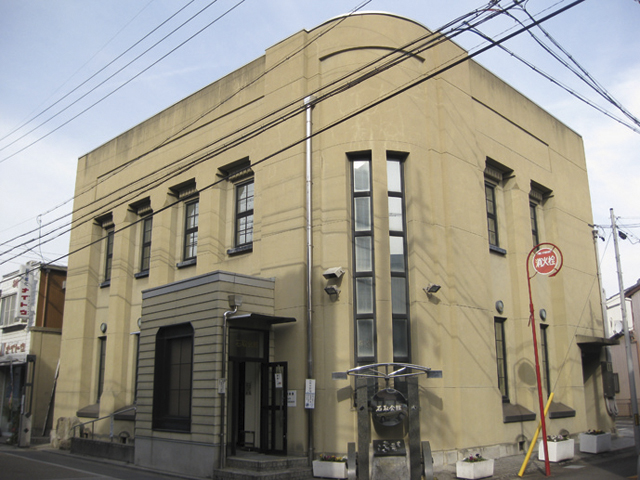
Kuwana City Ishitori Hall

Unesco Intangible Cultural Heritage, famous as the "Japan's Noisy Festival", introduces the Ishitori Festival, a nationally designated important intangible folk cultural property; exhibits gorgeous late-Edo festival cars with a total peony carving; and the building is a national registered Tangible Cultural Property.

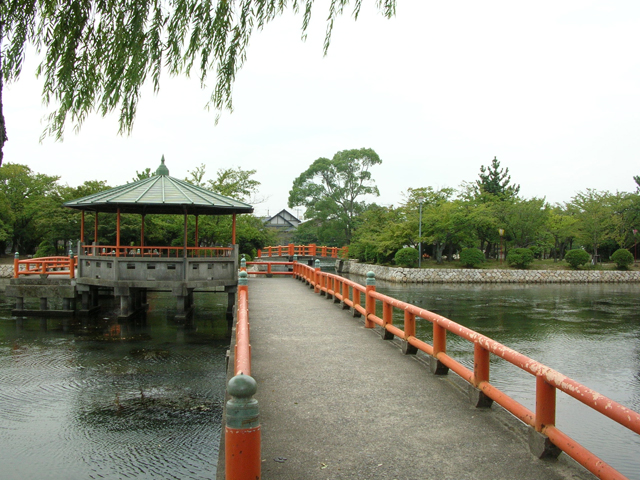
Kuwana Castle Site, Kowa Park

In Gyeongsang 6 (1601), Honda Tadakatsu, who was one of the Tokugawa Shitenno and became the first Kuwana feudal lord, along with the castle town of Wari, carried out the extended maintenance of the castle. Kuwana Castle was once credited as "Ogijō" and "Kaido no Meijō", but it was broken after the Meiji Restoration because it came to the shogunate in the wake of the Boshin War. The site of the castle was maintained as a Kukhua Park in 1928, and has beautiful cherry blossoms and azaleas, and is a familiar place for citizens to relax. Also in the park is the Zhenkokumori Shrine, which enshrines Matsudaira Sadozuna (koku) and Matsudaira Sadanobu (Raku-gō), and in the vicinity is the restored Banryū-ryū (a two-tiered tower with the roof tiles of the dragon, the guardian deity of the voyage. Utagawa Hiroshige) is also depicted in the "Tōkaidō Fifty-three-year Kuwana". Pets are not allowed to be free-range and use their manners.

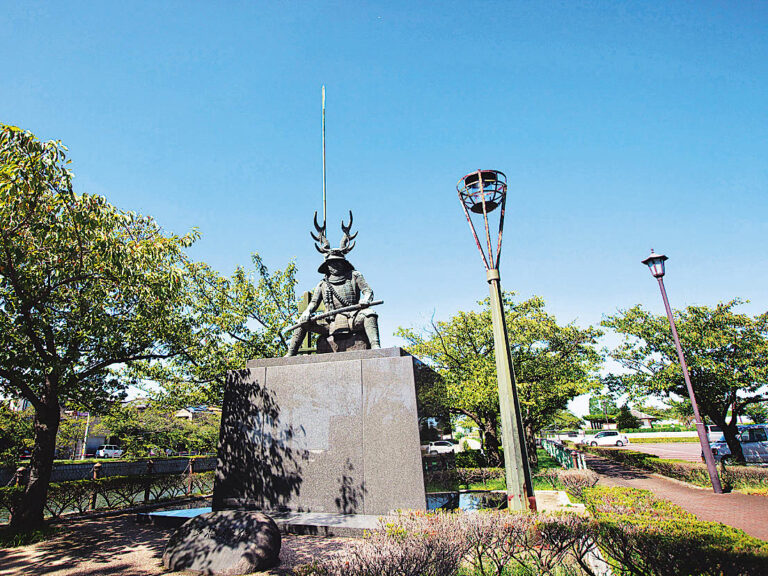
Kakiyasu Community Park (Yoshinomaru Community Park)

It is a lawn square built on the site of Sannomaru in Meijo, and a bronze statue of Tadakatsu Honda is built at the entrance. Tadakatsu was counted as one of the Tokugawa Shitenno, and became Kuwana Castle in Gyeongsang 6 (1601), and undertook a major remodeling of the town, which was described as "Gyeongsang no Chōtō".

Avex Harima Central Park

Combined playground equipment, lawn plazas, foot rowing boats, etc. can be used, and it is a park that is used as a place for recreation for local residents made up of plantings, etc.

Contact Us: Business & Personal Inquiries

By proceeding, you agree to our Terms of Use And confirm you have read our Privacy Policy .

Notes

· We are available for inquiries 24 hours a day. Responses will be provided between 9:00 and 18:00 (including weekends, public holidays, and year-end/New Year holidays).
· Depending on the nature of your inquiry, it may take some time for us to respond.