Archives: Travel Post

Ise Wa Paper House

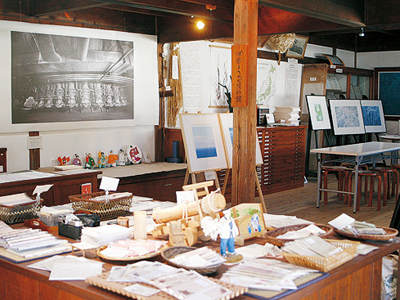
It is located on the site of the Daiwa-Wa Paper Industry Co., Ltd., which produces the washi paper used in the Ofuda area throughout the country, including the Ise Shrine. As well as materials and products related to washi paper, he also exhibits photographic works using washi paper printed by inkjet. On the second Saturday of every month, experience events such as making accessories, Japanese paper prints, and handmade are held (reservations required). The Ise-Washi Paper Gallery, which is attached to the site, also offers a photo exhibition using Ise-Washi paper and a calligraphy exhibition.
Jingu Bunko

It holds valuable writings and materials about Ise Shrine, including those designated as national treasures and Shigetwen. Its reading days are Thu, Fri and Sat. It boasts about 310,000 volumes.

Shikiya Yengong Memorial Jingu Museum of Art

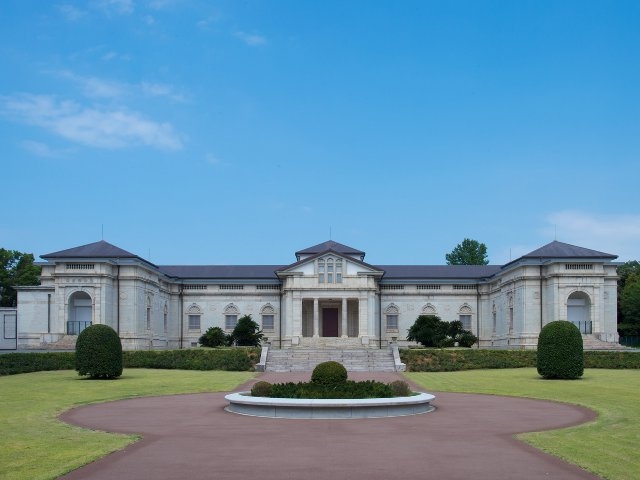
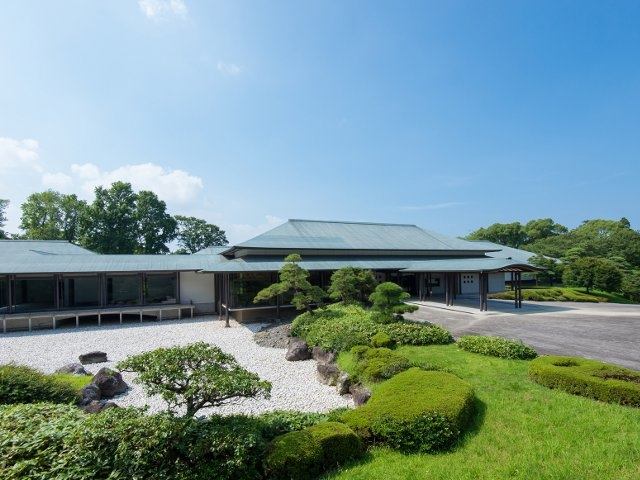
It was founded in 1993 to commemorate the 61st year of the year of the year of the city. The collection of works dedicated to the Jingu Palace by artists representing the current generation in praise of Shikinen. There are more than 400 works in a wide range of fields, and we are aiming to become a beauty hall of fame with a view on the history of art in Japan along with the history of the city. The garden on the west side of the museum has a promenade, which allows you to soak up the seasonal changing nature, including precious species native to Taiwan, the four-season cherry blossoms blooming in spring and autumn, and the beautiful autumn leaves.

Ise Nesuke Sculpture Museum

Netsuke, which was popular in the Edo period as an Ise souvenir, is a kind of keychain that we call today. About 60 of Mr.'s works are on display at the Ise Nezuki Sculpture Museum, which opened up the workshop of Mr. Tadamine Nakagawa, a master who conveys the charm of such an Ise Nezuki. The material is a sticky morning bear. It is three-dimensional, about 2-3cm in diameter, with dense carvings such as inlay, floating carving, and unique karakuri-work, and its fineness and playfulness can give you a sigh of exclamation. Some are also sold immediately, 10,000 to 600,000 yen. The experience of making a simple pendant top is 2000 yen. Tour and experience are required.

Jingu Zhangkokan, Jingu Agricultural Building

The Shōko-kan was opened in 1909 (Meiji 42) as a museum displaying materials on the Shōno and Japanese culture of the shrine. It has a Renaissance-style appearance, and exhibits a large number of cultural objects, including the Onshōzoku Shinpo (Onshōzoku Shinpo), which was withdrawn in the Imperial Palace, and the real objects of the front part of the Imperial Palace. In addition, the Agricultural House was opened in 1891 as Japan's first industrial museum, which was created under the theme of "how useful the products of nature are". It holds a large number of agricultural, forestry and fisheries materials from the Meiji period.

Ise Furuichi Sangū Kaido Museum

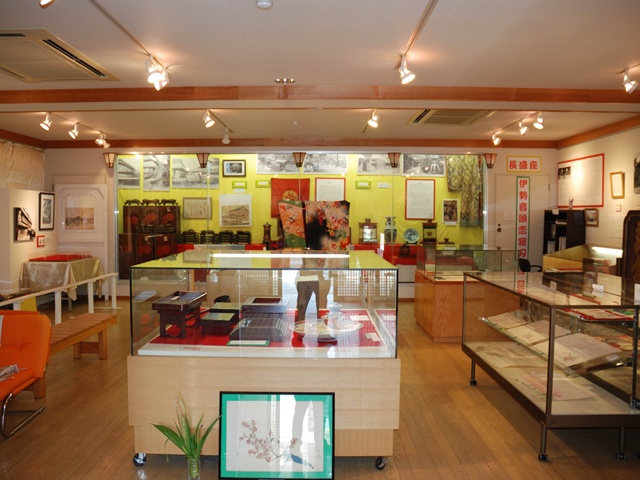
Furuichi, which was very busy as a town along the highway that connects the Edo period outside and the inner palace, is Yoshiwara in Edo as a place for the demarcated people who finished the shrine. It is counted as one of the three major amusement parks in the Shimabara of Kyoto, and it is said that in its heyday, there were more than 70 gairoo and 1000 girls. At the Ise-sangyū Museum, it is possible to remember the abuzuki of the past with a nishiki-e (e. g., Sakurakarōzuki-zuzu, Ise-onotsuzuki-zuzu) or a gisairō New Year's greeting letter. In addition, the ryokan makichi, which has been in business since the Edo period to this day, is a five-story suspended wooden structure built along the stage, and a number of old furniture and tableware items are displayed in the ryokan.

Ise Kawasaki Merchants Hall

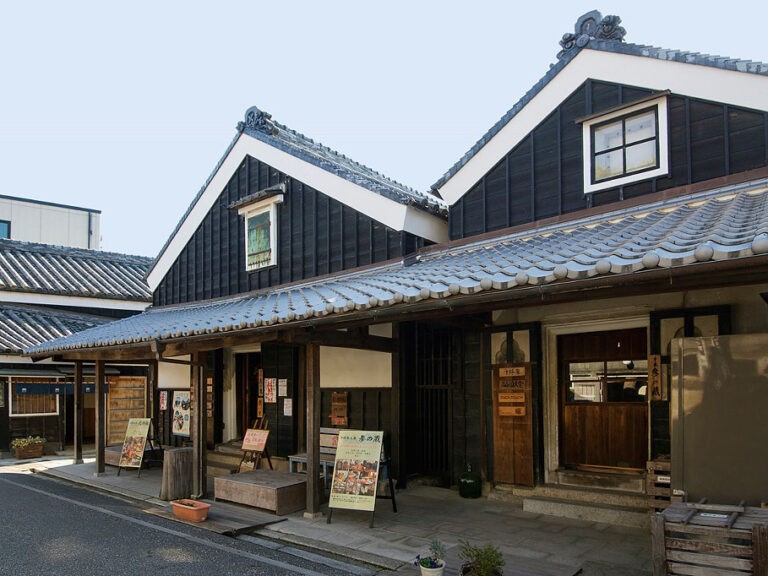
It is a facility that has been restored to the building of a long-established liquor store and Ogawa liquor store that represents Kawasaki in the Edo period, and is bustling as a base for revitalization and information dissemination of the town. In addition to the exhibition of materials by Kawasaki Merchant, there is also an extensive mini-shop. A valuable structure, also designated as a registered tangible cultural property.

Washi Shop

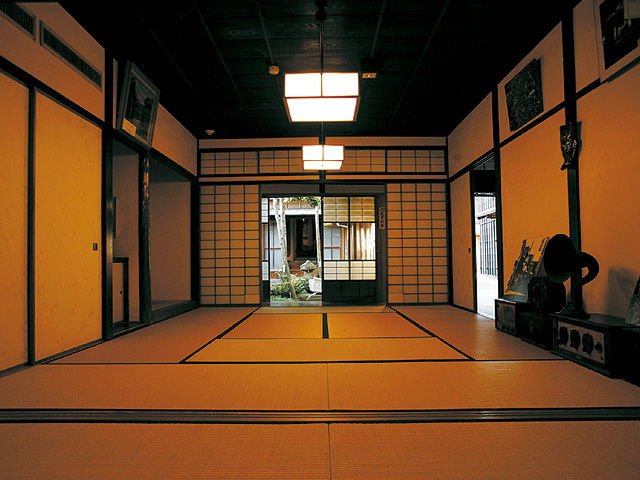
The company was founded in the 6th year of the Holy Calendar (1756), and the current warehouse is more than 200 years old. As it was the home of the master of the Ise Shrine, who cared for travelers, there remains a guide book on trips during the Edo period, as well as a nishiki-e, and pottery. Published as Ise Machikado Museum.

Merchants

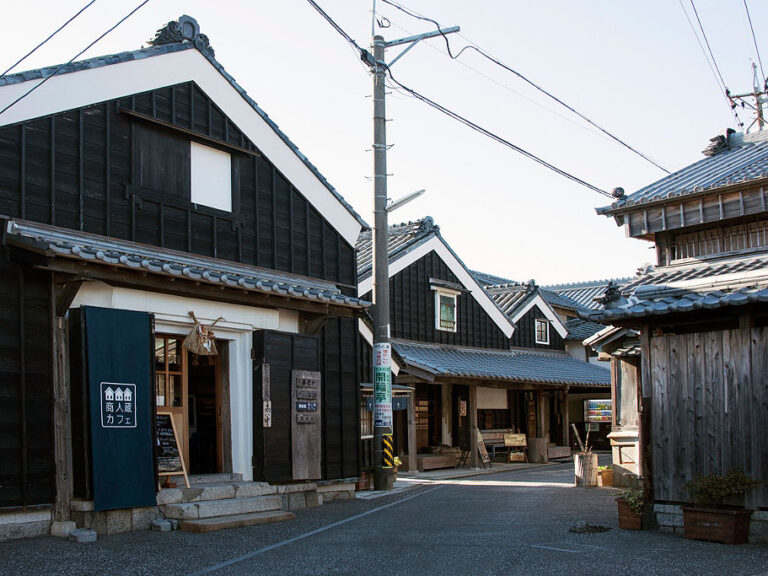
It is a facility attached to the Ise Kawasaki Merchants Hall, which includes Ichinokura, Niinokura, and Sanno Kura, and has a total of 20 mini-shops such as general merchandise, handmade accessories, antique general merchandise and Ise local souvenirs, and tea "Merchant Kura Cafe". It is designated as a National Registered Tangible Cultural Property.

The streets of Kawasaki

Kawasaki, where food and other items of the shrine worshippers were collected and called "Ise's Kitchen". It was a busy street that used the water transportation of the Setagawa River to make a lot of the city, but now it is a calm townscape with the rest of his wife's merchant house and kura. There is also the Isekawasaki Merchant Building, which contains a museum, a hall, and a store using a kura.

Contact Us: Business & Personal Inquiries

By proceeding, you agree to our Terms of Use And confirm you have read our Privacy Policy .

Notes

· We are available for inquiries 24 hours a day. Responses will be provided between 9:00 and 18:00 (including weekends, public holidays, and year-end/New Year holidays).
· Depending on the nature of your inquiry, it may take some time for us to respond.