Archives: Travel Post

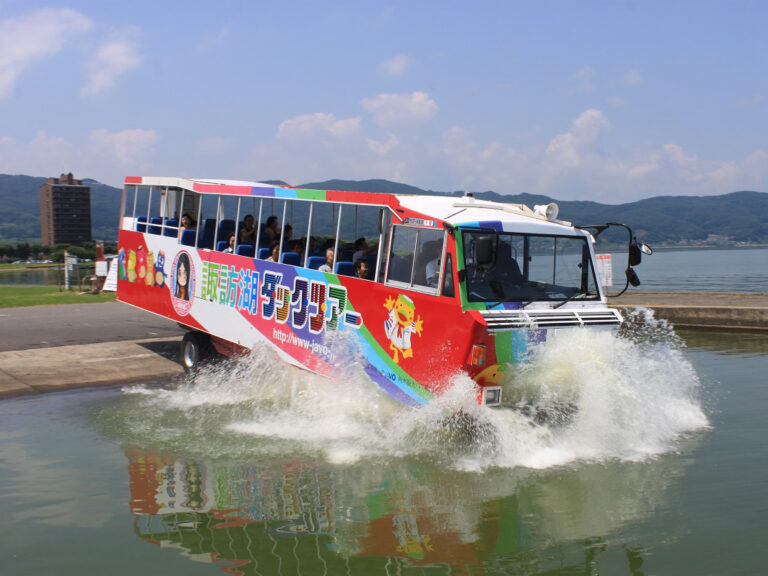
Lake Suwa Exploration Duck Tour

A popular duck tour is a tour of Lake Suwa and its surroundings in an amphibious bus equipped with one land engine and one water engine. Depart from the SUWA glass village and drive on the shore of the lake while looking at the lake. The bus goes to Lake Suwa while still boarding at the yacht harbor. The moment you enter the lake is pounding. Cruising is a 50-minute experience where you can enjoy the majestic view of Yatsugatake Renpong from the Northern Alps from the lake, and after a cruise of about 20 minutes, you can go ashore again and tour Takashima Castle from the car window to return to the start point. Six flights a day as a rule. 7 flights from July to August. Reservations start from mid-March.
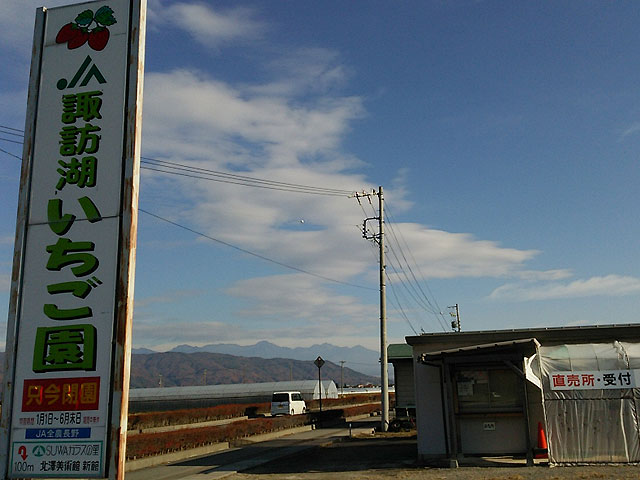
Lake Suwa Strawberry Garden

The five houses are planted with 45,000 varieties of Shohime, hongpo, and two other varieties. You can enjoy strawberries with high sugar content, which are grown in the bitter cold.

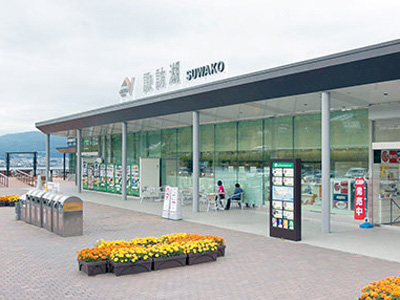
Lake Suwa SA [Up]

Located on the shores of Lake Suwa, SA is one of the spots where you can enjoy the exquisite views. On the west side of the building there is a wood deck observatory where you can relax while looking at Lake Suwa and the mountains of Shinshu. I want to refresh my driving fatigue while feeling the refreshing breeze across the lake. In addition, there is "Highway Onsen Suwako" in the area where you can enjoy hot springs. The hot spring that draws water from Kamisuwa Onsen is a skin-friendly alkaline simple hot spring where you can take a bath while looking at Lake Suwa. In restaurants and food courts, you can enjoy local flavors such as Shinshu soba. It is also recommended to relax at a cafe overlooking the lake.

Taiko Hirabayashi Memorial Hall

A memorial hall for Taiko Hirabayashi, a proletarian writer who was born in Suwa City and was active in the Taisho-Showa era. In the hall, the living room where he wrote was recreated, and about 100 pieces of the book, such as letters, and books, are on display. Representative works include "The Girl" and "Flower of the Desert". It is necessary to make a reservation to the Suwa City Lifelong Learning Section at the time of the tour up to one week in advance.

Suwa Municipal Shinshu Fushu Bunko

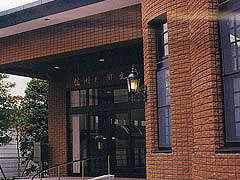
The municipal library, which holds books published after the war by Iwami Shoten. It began in 1947 when young people from the former Nakasu village moved to Tokyo and received donations of 201 books from the Iwami Shoten Store, and now holds about 47 thousand volumes. All books can be viewed freely in the paperback (except for some valuable books).

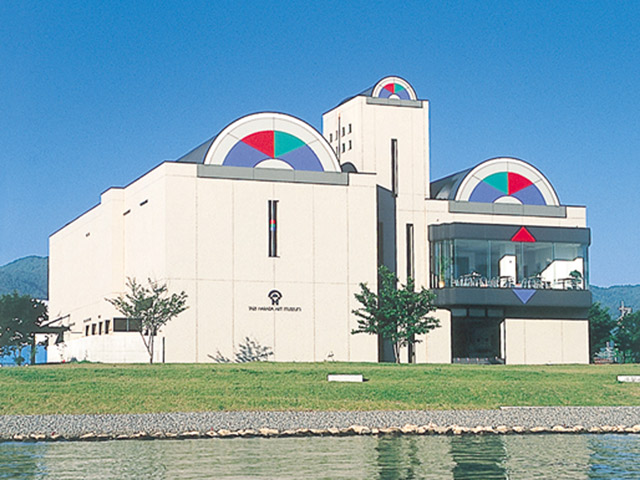
Taiji Harada Museum of Art, Suwa City

A museum that exhibits mainly works by Taiji Harada, a painter from Suwa City. In addition to the works illustrated in "The World of Taiji Harada" serialized in the Asahi Shimbun, there are also works depicting the Japanese hometown and the four seasons that take one hour.

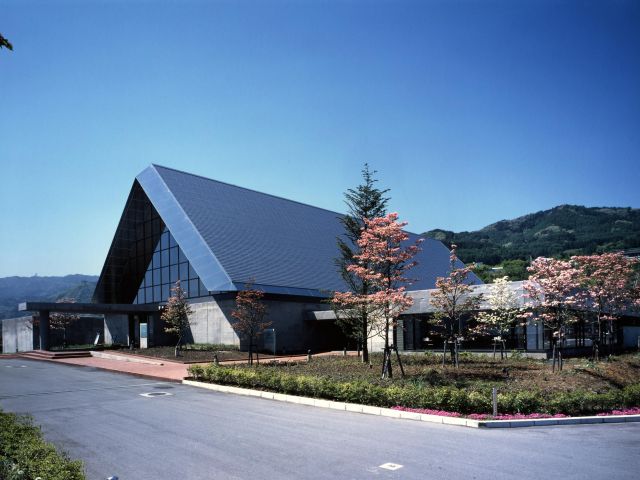
SUWA Museum of Glass Village

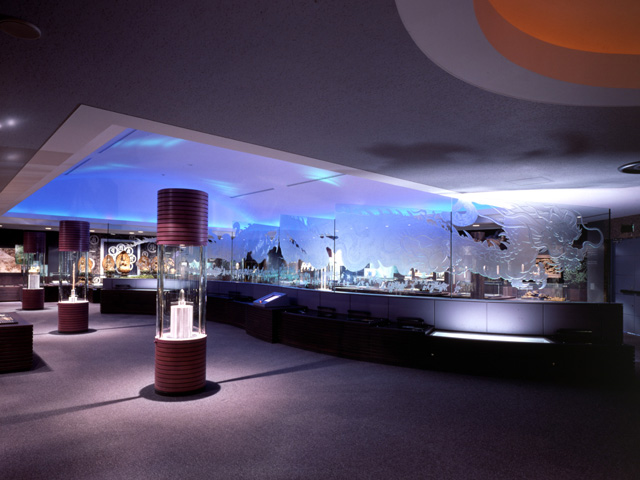
Located on the shores of Suwa-Hunan, the "SUWA Glass no Sato" museum, which consists of a glass shop, experience workshop, and a restaurant with about 20,000 glass products. During the permanent exhibition, you can meet the original and sensibility works of renowned contemporary glass writers from Japan and abroad, including Takeo Takemasa and Shohei Fujita, John Kuhn and Mashrak. "Crystal Ball," the largest glass ball in the country, which shines in seven colors depending on the angle of viewing, showing a mysterious and mysterious figuration, is also on display. In the experience workshop outside the museum, you can enjoy the experience of sandblasting experiences, making candles and a clear dome, and the restaurant, which offers a panoramic view of Lake Suwa, is also well received.

Suwa City Museum

You can learn about Suwa's charms, such as the seven-year Suwa Taisha Oshirai Festival, the mysterious ice mountain range that occurs in Lake Suwa in winter, the Mikamari and the legend. In addition to the exhibition of valuable materials from the Paleolithic period to the Showa era, it is introduced in an easy-to-understand manner with images and acoustics. The powerful Oshitai festival footage is always aired. In addition, there is a "Sawa Daiko Information Center" in the hall where you can view valuable collections by archaeologists related to Suwa, Eiichi Fujimori and Mitsunori Tozawa. You can also enjoy free foot baths on site.

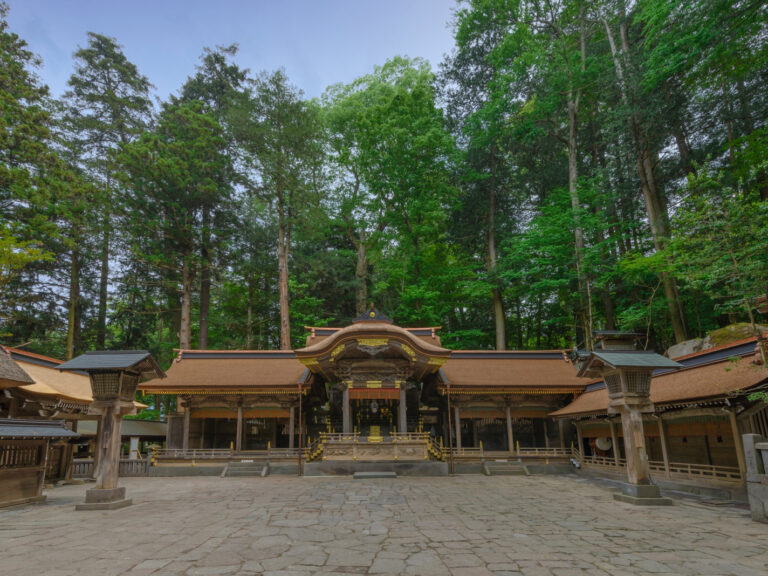
Main Palace

Built in Tenpo 9 (1838), it is an architecture by the master master, Kazushiro Tachikawa, Tomimasa [Tatekawawashiro Tomimasa], and the detailed sculptures found in various parts of the building are stunning.

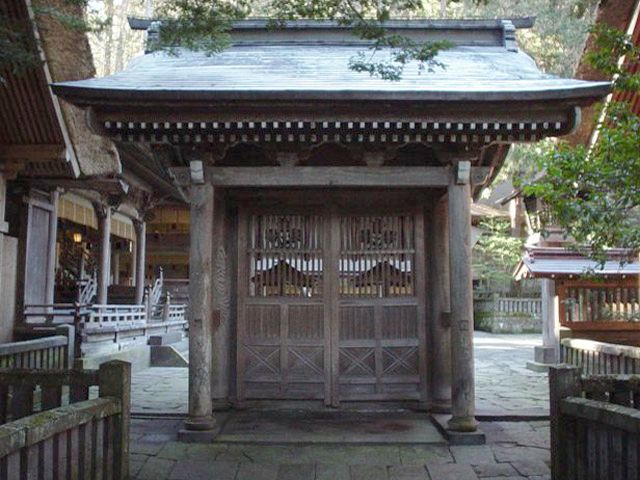
Main Palace Four-Leg Gate

It was donated by Tokugawa Ieyasu in the 13th year of Keijō (1608), and is the oldest building of the main temple; it is located between the treasure halls.

Contact Us: Business & Personal Inquiries

By proceeding, you agree to our Terms of Use And confirm you have read our Privacy Policy .

Notes

· We are available for inquiries 24 hours a day. Responses will be provided between 9:00 and 18:00 (including weekends, public holidays, and year-end/New Year holidays).
· Depending on the nature of your inquiry, it may take some time for us to respond.

RURUBU & ALL WAY JAPAN
Privacy Overview

This website uses cookies so that we can provide you with the best user experience possible. Cookie information is stored in your browser and performs functions such as recognising you when you return to our website and helping our team to understand which sections of the website you find most interesting and useful.