 English
  Japanese
  Chinese (China)
  Chinese (Taiwan)
  Korean
 Main Palace Four-Leg Gate
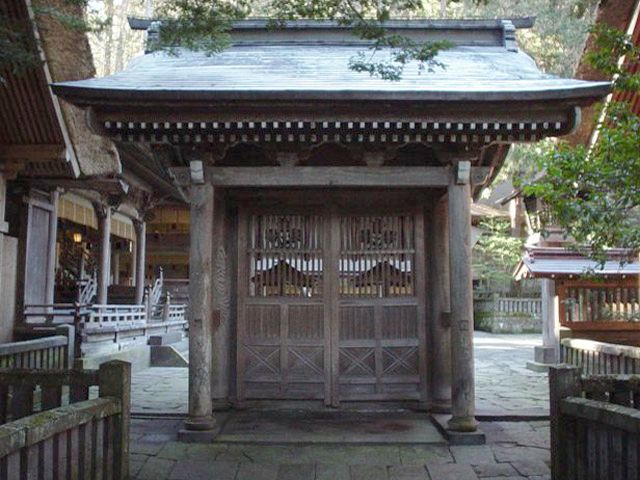
It was donated by Tokugawa Ieyasu in the 13th year of Keijō (1608), and is the oldest building of the main temple; it is located between the treasure halls.

It was donated by Tokugawa Ieyasu in the 13th year of Keijō (1608), and is the oldest building of the main temple; it is located between the treasure halls.
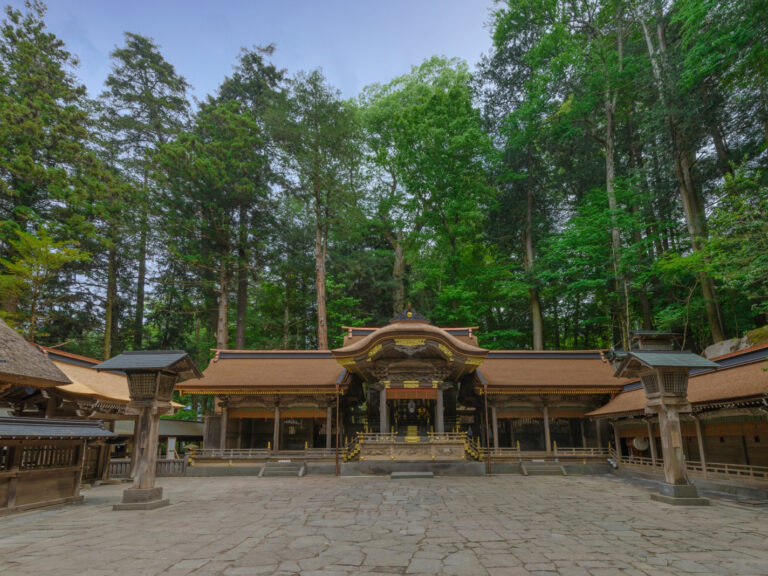
The worship hall at Suwa Taisha Shrine's main shrine, with architecture by Kazushiro Tachikawa Tomimasa, the sculptures at each place are stunning.
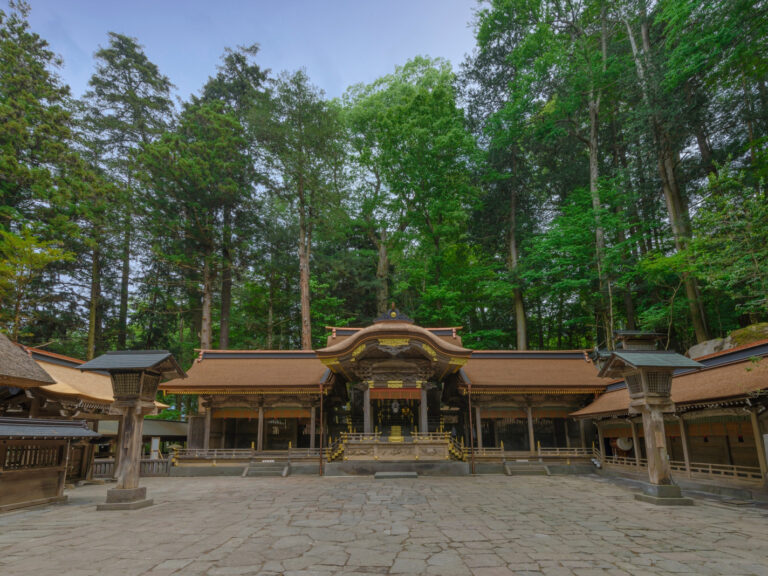
The head office of Suwa Shrine, which has more than 10,000 branch offices nationwide. There are Kamisha-mae-miya and Honmiya to the south of Lake Suwa, and Shimosha-Harumiya and Akimiya to the north, and these two four shrines are referred to as Suwa-Taisha. The main shrine is located near Suwa IC, Chūō-do, with the largest number of valuable structures remaining. The god of the priest is the god of the god of the castle, who is revered as the guardian god of rain wind and water, the god who prays for the abundance of five grains and the roots of life, and the god of valor. The treasure hall houses many company treasures, including tachi and old documents.
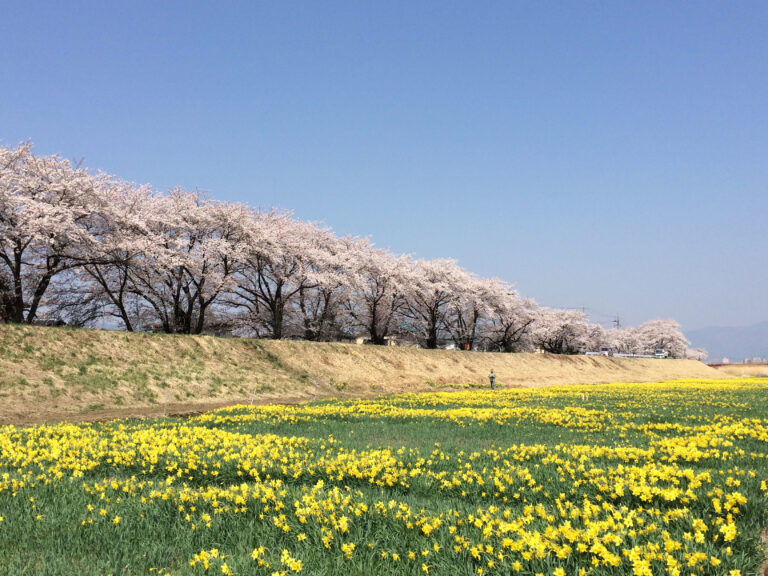
About 200,000 shares of narcissus bloom on the riverbed, with a view that looks like a yellow carpet. The cherry blossoms that bloom on the embankment also blossom at the same time. You can enjoy a competition of flowers.
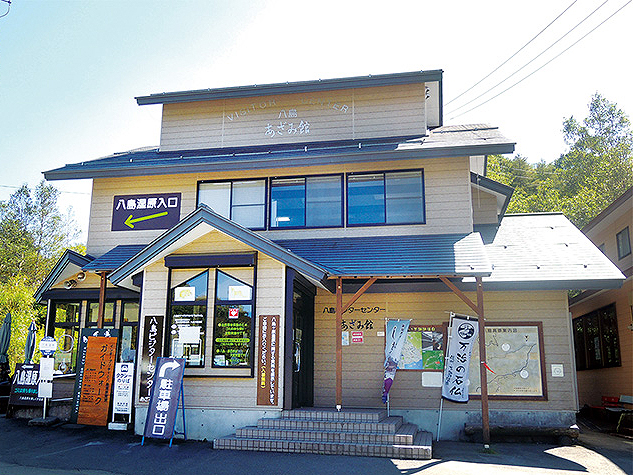
The Yachimigahara moor of a high-rise moor located to the northwest of the Kirikamine plateau. Visitor center by its side. On the first floor, the process of forming the Yashima moor, including the Yashima moor, includes the Yashima moor, and the surrounding highlights and flora and fauna are introduced using photographs and dioramas. The video corner on the second floor shows the scenery of the Yashima moor during the four seasons. It will also provide information on flowering and guide the walking path, so let's feel free to ask.
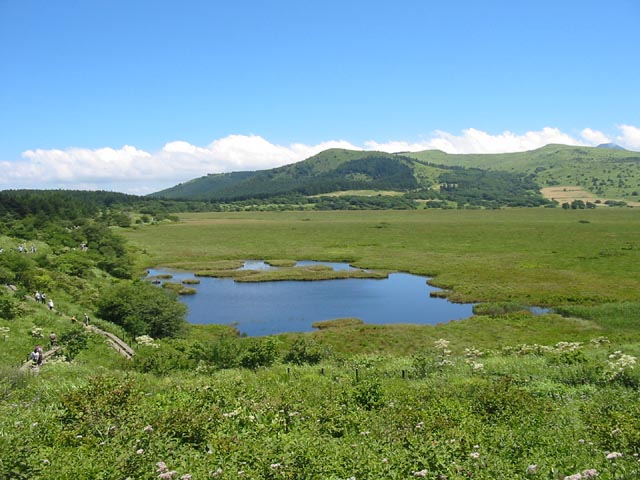
A one-stroke heart-shaped moor of the Yashima moor extending northwest of the Kirikamine. The mud-coal beds, which are 8m thick, are deposited and peatened by plants such as sphagnum moss without becoming a mulch. It was formed over about 10,000 years. Within the marsh, there are ponds such as Yashigaike and Kacyagaike, and there is a 1-hour, 30-minute walking course around the marsh. About 400 types of moor and subalpine plants are native to the surrounding area, such as the Ablage Azalea and Nikkouki sedge. Late June-late August, showing the most beautiful landscape of the year. Country Designated Natural Monument.
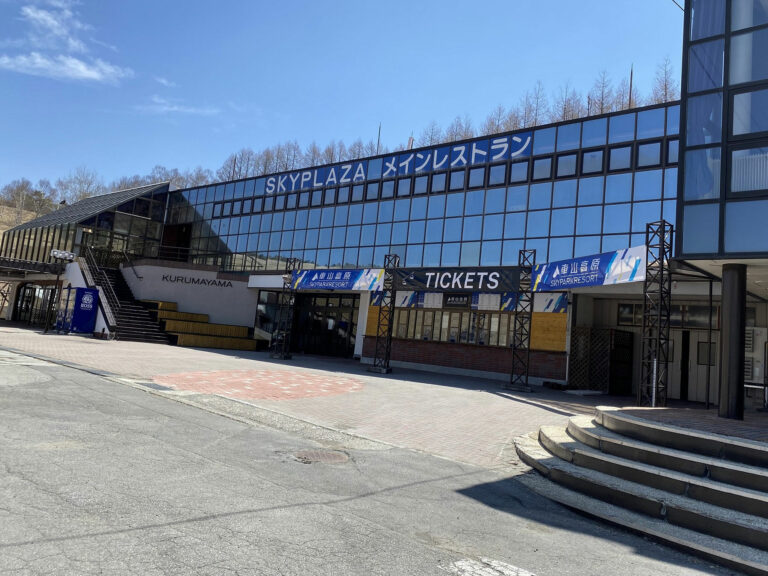
There is a stand and a fast food restaurant on the first floor of Sky Plaza in front of the observation lift. There is a shop and a fast food restaurant on the first floor of the sky plaza, which offers a wide range of seasonal items, and a kitchen kururi where you can view the plateau while eating soft ice cream and snacks.
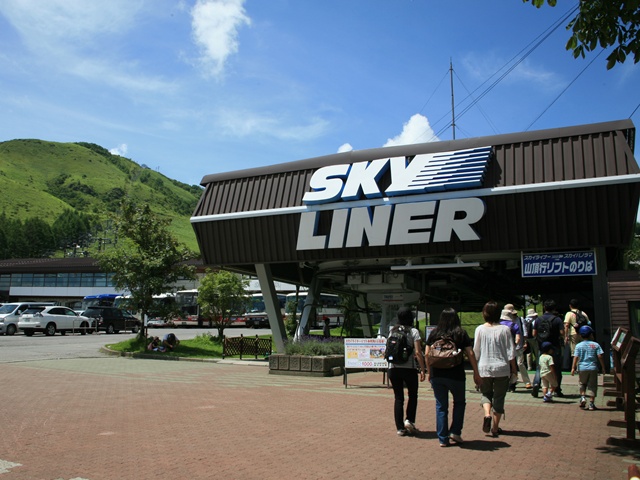
It takes about 15 minutes to take two lifts to reach the top of the mountain at an altitude of 1925m. The rolling hills are known as a treasure trove of alpine plants, as they bloom in early summer. The green meadow of early June summer and the grass-falling leaves of September to October fall are also available.
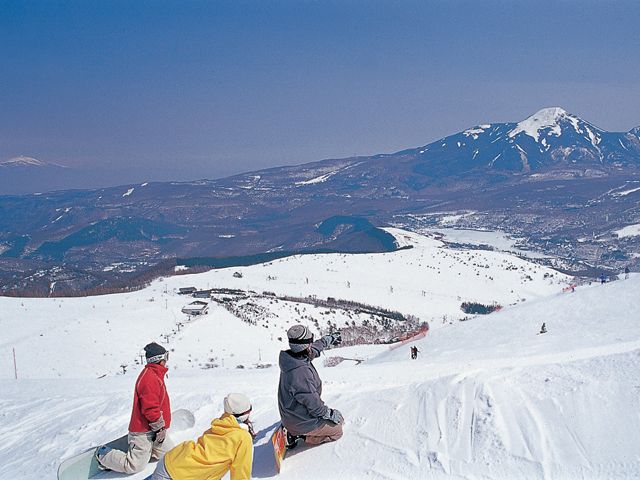
The Nakayama Plateau, a prominent presence in the size of the central road area. The biggest feature is that you can enjoy a large 360-degree panorama unobstructed by trees. It is a ski area where you can glide slowly while enjoying the view of majestic mountains such as Mt. Fuji, Yatsugatake and the Japanese Alps. The course is divided with the base east side being elementary, middle side being intermediate, and upper side being senior.
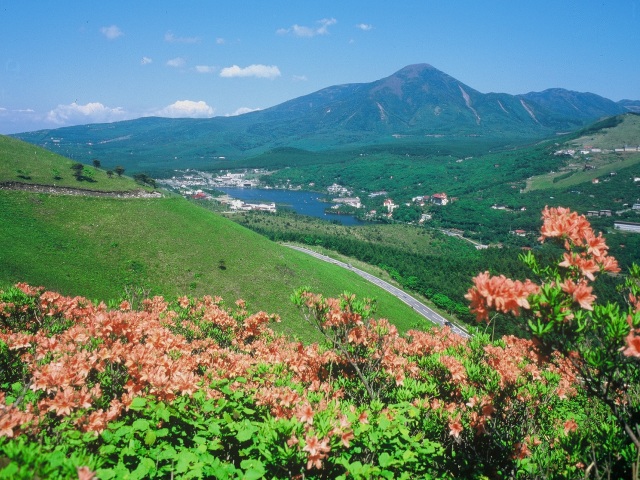
Venus Line with a total distance of 76km in the Dry Broad of Shinshu. On the route that connects the plateau representing Shinshu, such as Tateshina, Kurayama, Kirikamine, and Migahara, it is packed with large and small lakes and moors, grasslands of alpine plants, alps in the distance, and view points. The best season is from mid-June to late July, when large crowds of nickweed and brace azaleas can be seen. You can take the car leisurely and exhilaratingly and enjoy the comfort of the plateau. In addition, there is a melody road on the 240m section of the uphill main line from Lake Shiraka to the Nakayama Plateau, where grooves carved into the road surface produce a running sound with scales. The Yachimagahara Marsh, the Takakayama Marsh and the Odoba Marsh have been designated as national natural monuments.