Archives: Travel Post

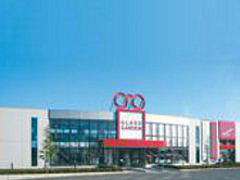
Optic Store Glass Garden

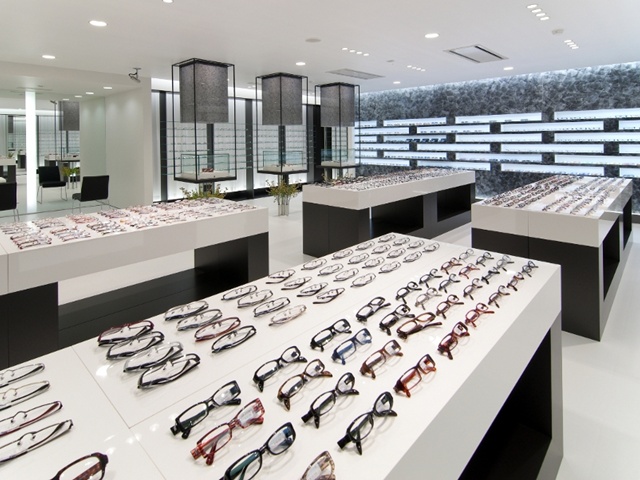
The largest class in Fukui Prefecture. The display and sale shop of 5,000 glasses and sunglasses. The sign of the big red glasses is marked along National Highway No. 8. Let's play with the "Supreme Vision" training machine, which is also used by top athletes.

Urusinosato

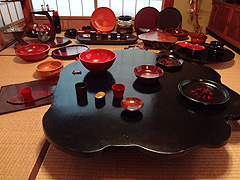
In addition to a demonstration tour of the making of lacquerware, you can experience the painting and sinking of 1500 yen (tax included) while receiving the careful guidance of the craftsmen, and you can also tour the Echizen painted mountain car with lacquered or luxurious decoration.

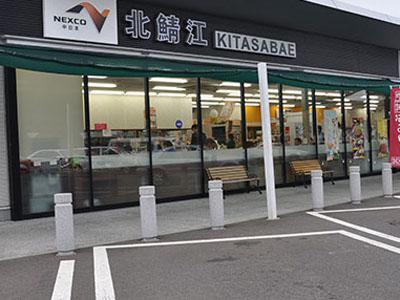
Kita-Sabae PA [Up]

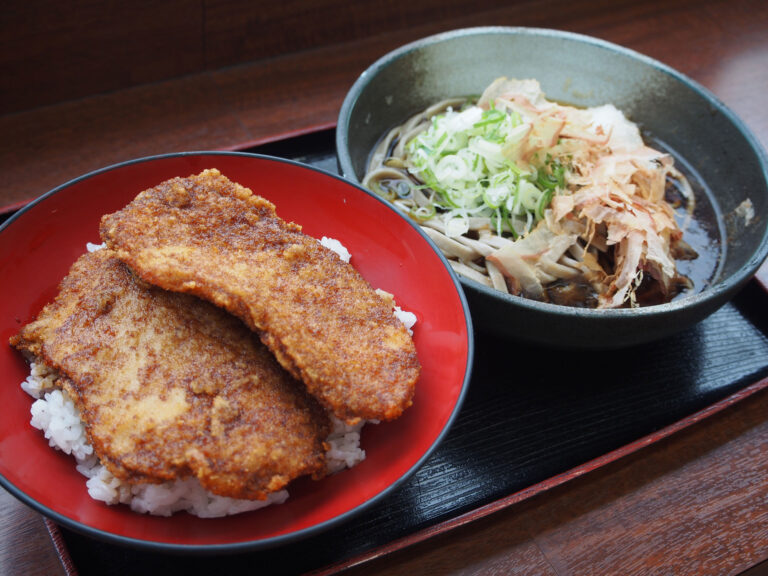
It is adjacent to Hokusabae Station on the Hokuriku Main Line. A service area located between the Fukui IC and Sabae IC on the Hokuriku Expressway. It is located about 8.1km from Fukui IC. Oroshi soba "Oroshi soba & Takeda no Yoyaage", which is a set of the famous oil-fried, is a specialty set loved by the people of Fukui. There is also a souvenir service, and the fifth master of the All Japan Amateur Soba Ouchi Master Tournament, Yoshiji Yasuhisa, supervised. It features thick-cut noodles that are full of flavor and strong. Orebo Station, a 24-hour convenience store, also has souvenirs unique to Fukui, which is blessed with nature. "Platto Park", which can be used all day, is also attached.

Kita-Sabae PA [Descent]

It is located between Sabae IC and Fukui IC on the Hokuriku Expressway. Parking area located about 3.1km from Sabae IC. We recommend "Saba Edgar," which is a fun-looking restaurant that allows you to carry sauce katsudon, a B-class gourmet in Fukui Prefecture. The sweet sauce matches the freshly fried cutlets exquisitely. Because it has a cute cup, you can take out and taste it in the car. The signboard menu "Dashi Maki Spam" of the convenience store "Orebo Station" which is open 24 hours is also popular. There are also souvenirs unique to Fukui blessed with nature. "Platto Park", which can be used all day, is attached.

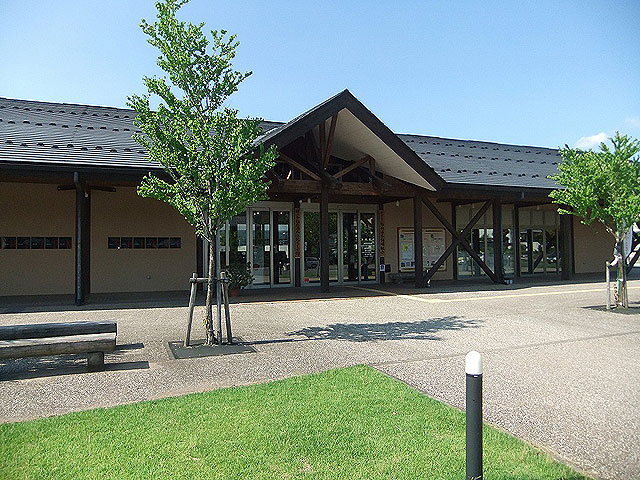
Road Station West Mountain Park

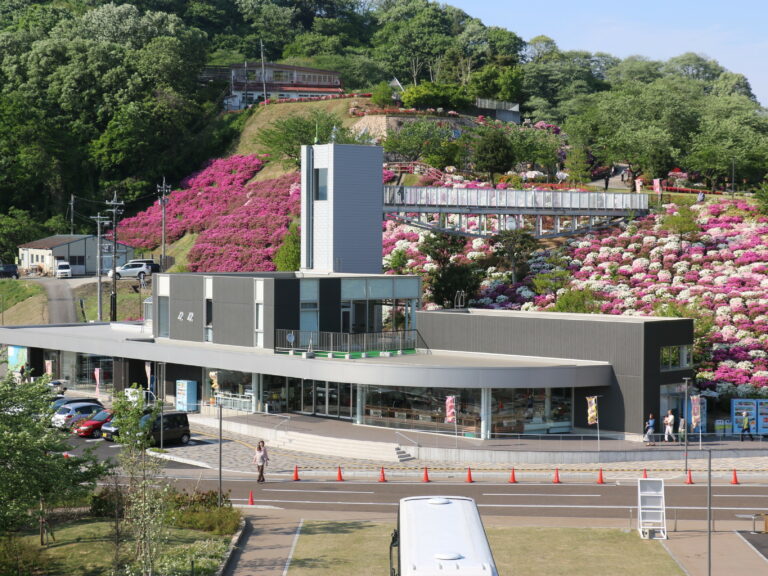
Roadside station located in the center of Sabae city and adjacent to Nishiyama Park, which received the "100 Historical Parks of Japan" designation. There is a stand selling local specialties in the facility and a wide lineup ranging from sweets, food and crafts. In addition to fresh vegetables and other agricultural products, the company also has glasses and lacquerware, which is a major industry in the Sabae River. At the eat-in corner, you can enjoy a rich menu filled with local attractions, such as "Azalea Soft Cream", which is based on the image of flowers and azaleas of Sabae City, "Yoshikawa Nas Burger" and "Nishiyama Croquette".

Wood and coloring workshop Kobashi

Mr. Kobashi, a lacquerware writer, consistently performs everything from raw wood to molding and finishing painting. It's a rare way of making in the division-of-labor lacquerware industry, and some people come to visit it from a distance. In the workshop, you can visit the work and purchase exhibits. Table, shock, chopping board are popular. The chopping board is made of Icho, which is a national product of all commodities and is made of persimmon shib and lacquered. Kakishibu has antibacterial and anti-mold effect, and lacquer has bactericidal effect, which is very long-lasting. It is recommended to call in advance.

The Museum of Glasses

There is a museum where you can learn about the history of Japan's No.1 eyeglass frame production share, and a eyeglass shop with about 3000 Japanese eyeglass frames. In the experience workshop, you can also enjoy the experience of making a key chain using glasses fabric and the experience class of hand-made glasses (reservation required). There is also a cafe where you can taste specialty coffee, and a souvenir shop that handles specialty confectionery and eyeglass motif goods in Sabae city.

Seven Bends Street

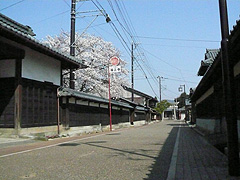
During the Edo period, the area of Yoshie was located in Yoshie, Tateya-go. The area of Nanakuri-dori was maintained as the center of the castle town. Even today, the land divisions and road divisions of the time are still left. It is recommended to take a walk on the streets lined with large houses.

Old Goura House

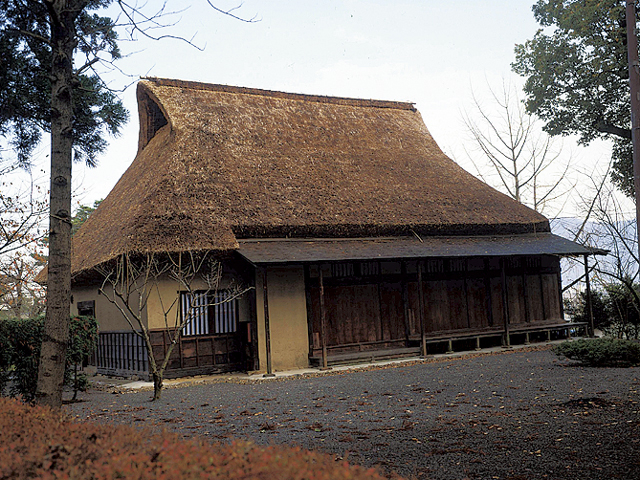
The Uryu family is a venerable family member who served as the Miyaji of the Shinmei Shrine since the year of Daiji 4 (1129). The house was relocated to the precinct of Shinmeisha. The building built in 1699 (1699) is a thatched roof with an Irimoya wife, and the pillars and beams are thick and dignified. It is said to be the oldest surviving private house in Fukui Prefecture and is designated as an important cultural property of the country.

Panggyoji Temple

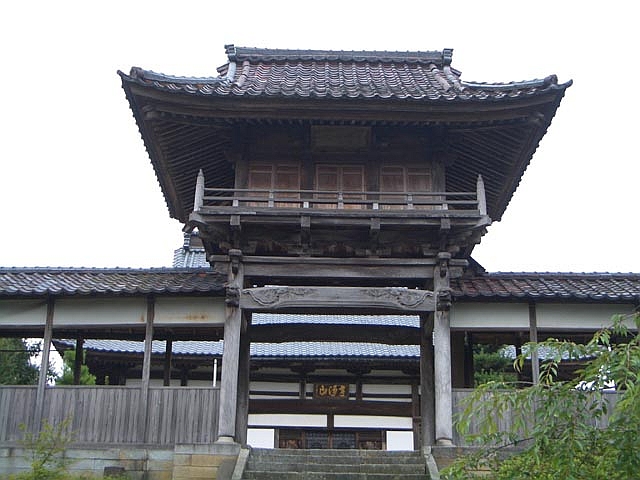
It opened in Kyoho 6 (1721). It is the direct-end temple of the Soto sect Omotoyama Eiheiji, and is also the bodhi-ji temple of the successive Sabae feudal lord, the Hamabe family. Particularly eye-catching is the ink painting on the ceiling of the main hall. The three ink paintings of Ryūjin, Fūjin and Raijin painted by the 7th feudal lord Hanabe Akikatsu [Manabe Akikatsu] are large, with a vertical length of as much as 5.4m, and their bold composition and powerful brushwork are impressive. All are city-designated cultural property.

Contact Us: Business & Personal Inquiries

By proceeding, you agree to our Terms of Use And confirm you have read our Privacy Policy .

Notes

· We are available for inquiries 24 hours a day. Responses will be provided between 9:00 and 18:00 (including weekends, public holidays, and year-end/New Year holidays).
· Depending on the nature of your inquiry, it may take some time for us to respond.

RURUBU & ALL WAY JAPAN
Privacy Overview

This website uses cookies so that we can provide you with the best user experience possible. Cookie information is stored in your browser and performs functions such as recognising you when you return to our website and helping our team to understand which sections of the website you find most interesting and useful.