Archives: Travel Post

Zuyunsan Jinho Temple

A temple of the Sōtō sect with a view of the Kubuchiryū River. It was founded in the year of Eisheng (1504-1521), and the current building was built in the end of the Edo period by Kafune Kanaiya and Australian merchants of the land. It is quiet but full of highlights, such as the statue of Guanyin designated by Sakai City Cultural Property and the mountain gate lined with the Chinese style of Jūrorahan.

Sea Temple

A temple of the Shingon sect that has become a prayer office for the Asakura clan and the Fukui feudal lord Matsudaira since it was relocated to its current location in the first year of Yongde (1381); houses the tombs of the Three Kingdoms's Australian Merchant Morita family and the Shinbo's Takeuchi family, and the lined five-wheeled pagoda speaks to the financial capabilities of the merchants of the time.

Left Inner Park

Hashimoto Sauchi, who was recognized by Matsudaira Harutake and participated in the feudal government, but was executed at the young age of 26 by the Great Jail of Ansei. The Souchi Park contains a monument to Souchi and his parents' graves, and to the Enlightenment Book, which he wrote when Souchi was 15 years old. The bronze statue on the left standing standing was erected by a citizen in 1963. On the death day of October 7, a grave festival is held in the left inner park, and many citizens attend.

Mount Asuwa Park

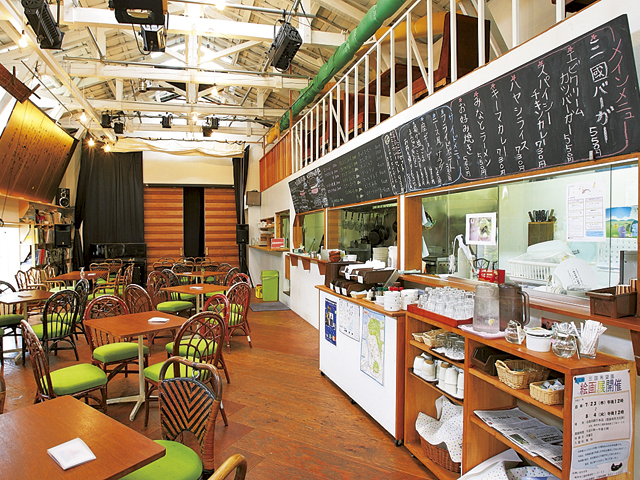
The whole of Mount Asuwa at an altitude of about 116m is the park. In addition to "Happijan" (free), which was renewed in September 2018 and has increased new friends such as capybara, and "Fukui City Natural History Museum" (fee: 100 yen), where you can learn about nature in Fukui, you can enjoy a walk with "Ashiwa Shrine" and a group of burial mounds. In addition, there are about 10 teahouses, which are famous for their specialties, such as "Kinomudada Raku" and "Konjaku Oden", where you can also taste food. In the spring, as many as 3500 cherry trees, which have also been selected as the "100 Japanese Sakura Places", bloom, and about 18,000 hydrangeas bloom in the early summer garden.

Fukui City Osagoe Private House Garden

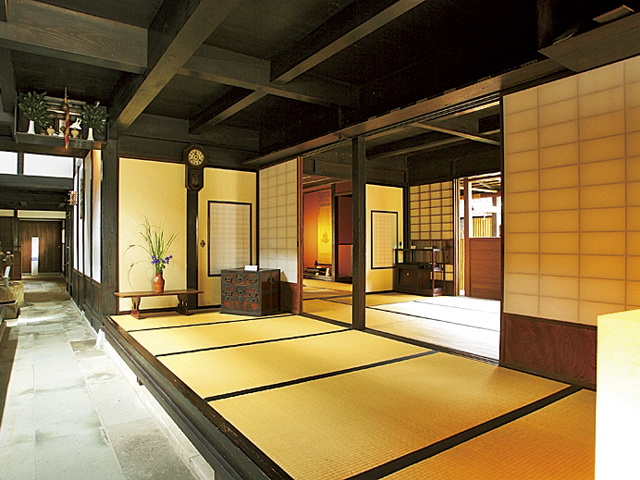
An old private house garden surrounded by greenery in the southwestern part of the city, at the foot of Mount Usagoeyama. The 3700-square-meter site includes six old private houses built during the Edo period, as well as the relocation and restoration of the house, an ash hut, and an outer toilet. It has become a city-designated cultural property. The three private houses are with a wife who was widely distributed in the central part of Echizen and the Ono basin, and it is a type unique to the Echizen region where the space and the kitchen (living room) are a single space with thick beams of cross. Furniture and household items are placed in the house, and people can see how they lived at that time.

Fujishima Shrine

A shrine dedicated to Nitta Yoshisada, a warlord of the Kamakura-North and South Dynasties period. It had been built on the Shindazuka at Tomyoji-nawate, where it is said to have been killed in action, but in 1901, it was moved to what is now the middle of Mt. Fujitoden houses the estate and art works of Yukari Yoshisada. There are also a number of important cultural treasures of the country, such as the iron-made silver-zongji (Tetsusei-ginzou-kabuto), which is said to have been used by Yoshisada, and the letter of Munehiro Yoshiki.

Self-sex House

Bodaiji temple of the city. He was given the name of the city, and was transferred to the present land in the 10th year of Gyeongsang (1605). In Yakushido, the Yakushido prayer service is held on the 8th of every month. In addition, it is possible to receive the merit of the Yanji Island Forty-Nine Yakushi Reiba Odori and the Yakushi Gongdeok Corridor.

Saikoji Temple

The Bodaiji Temple of the Katsuya Shibata. It is reported that he was attacked by Hideyoshi's army and entrusted the future of his three sisters, among others, to the priest, prior to his life being lost at Shojo in the north. There is a tomb of Katsuya and the city in the precinct, and it displays the books and swords of the Katsuya's self-written books and swords, the gold-minted horse-mark [Umajirushi], and the demon tiles of the northern shōjo excavated in 1874. Entrance 300 yen, time: 12 to 16 o'clock * Reservations required).

Moeya Kuroryu Shrine

Shōken as the guardian deity of the Kudō Ryokawa River; Mōdani Kōryū Shrine, considered one of the four great Myojin of ancient times in Japan; Thick of faith as a shrine of evil repellent and improvement of life force, child-giving, safe-going and business prosperity; and exorcizing evil with strong force, the power spot of the demon.

Village Kansen-do

It sells Japanese sweets, including Hadenji rice cakes. Because of the confectionery that uses only three ingredients, rice cake, sugar, and water candy, we focus on each and every ingredient. Kosen-do uses 100% Fukui rice. We also recommend such as idoyaki and kneading. There is also a pastry shop with a café space.

Contact Us: Business & Personal Inquiries

By proceeding, you agree to our Terms of Use And confirm you have read our Privacy Policy .

Notes

· We are available for inquiries 24 hours a day. Responses will be provided between 9:00 and 18:00 (including weekends, public holidays, and year-end/New Year holidays).
· Depending on the nature of your inquiry, it may take some time for us to respond.

RURUBU & ALL WAY JAPAN
Privacy Overview

This website uses cookies so that we can provide you with the best user experience possible. Cookie information is stored in your browser and performs functions such as recognising you when you return to our website and helping our team to understand which sections of the website you find most interesting and useful.