Archives: Travel Post

Fukui Prefectural Ichijōdani Asakura Site Museum (Asamyu)

"Ichijōdani Asakura Ruins", a national special historic site where the castle town of the five generations of Asakura, which flourished during the Sengoku period, remains intact. There is an archaeological museum here that shows you the history and charm of the site with various materials and the latest technology. It consists of a main building with a large-scale image guidance, an inquiry lab/experience learning space, an exhibition room where you can see the stone stonework up close, and a branch building with an auditorium and a public library. In the basic exhibition room on the second floor of the main building, the history of Mr. Asakura and the castle town Ichijodani are introduced based on about 1.7 million output items. In the "Asakura-kan original size re-enactment", which reproduces part of Asakura's main hall on a full scale, there is also the experience of dressing in Sengoku costumes as required.
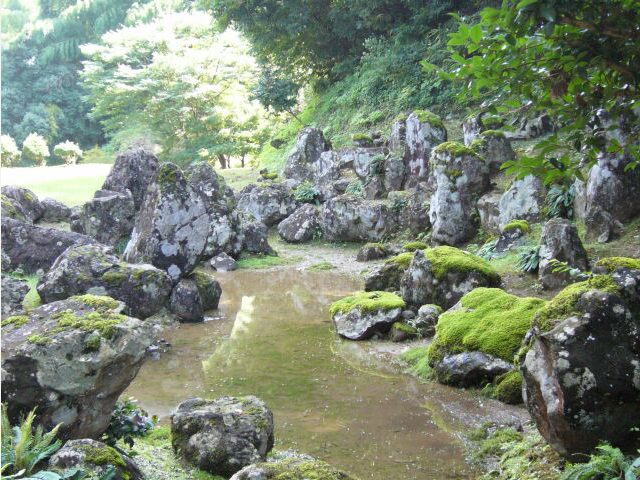
Yuden Site Garden

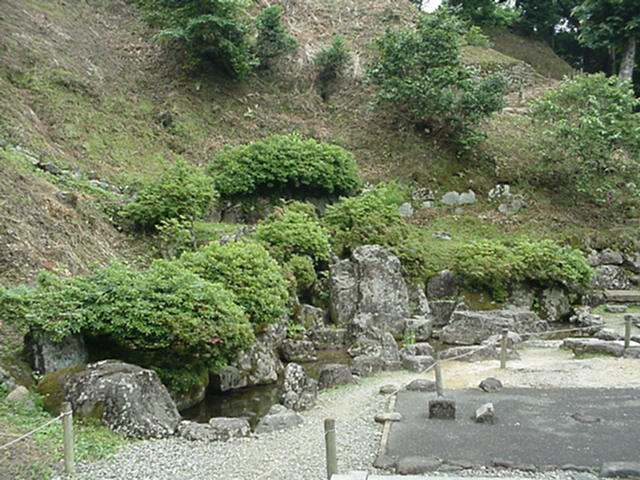
It is located on the mountainside overlooking the site of the Asakura-kan; it is presumed to be the oldest of the four special Meishatsu Asakura gardens, and it remains a rough stone set with plenty of huge mountain stones; a garden made during the Muromachi period and not subject to alteration of posterity (special Meishō).

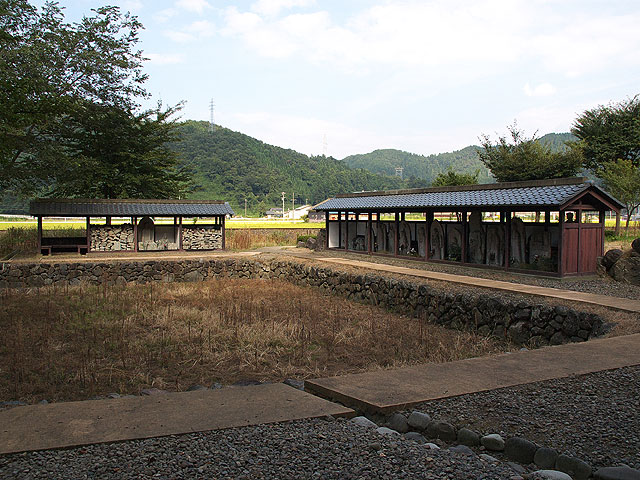
Site of Nishiyama Koshoji Temple

The site of the largest temple in the Asakura period. The building is not extant, but here you want to see the stone buddha group along the old approach. Nearly 40 stone Buddhas, such as the Amitabha Buddha carved in the Shakudani stone, are mainly those of the 1520-70 s, when Mr. Asakura prospered. The height is as large as 1.5 to 2m, and the expressive ones are also seen. This area is called the stone buddha village, and 1879 stone buddhas and stone pagodas have been found only at the site of Nishiyama Koshoji Temple.

Nanyang Temple Site Garden

A garden made during the Muromachi period and not subject to modification in later life (special Meishatsu). The garden is located on a high ground north of the site of the Asakura-kan. Nanyō-ji was a nunnery that was re-eked by the third generation of Sadakage for his daughter, and a Hanami feast was held with the Shogun Ashikaga Yoshiaki.

Special Historic Site Ichijōdani Asakura Site

Ichijōdani, who had been superseded as the castle town of the Asakura clan, was destroyed by the attack of Oda Nobunaga (1573). The site of the hall and the samurai residence were excavated in earnest from 1967, and the area of 2.78 million square meters is now designated as a special historic site. The four gardens within the ruins are a special name for the country. The general tour course is located at the site of Gobara-cho to the site of the Asakura-kan to the site of the Yuden-gyo to the site of the middle-goten to the site of the Suwa-kan garden. Take one hour.

Suwa-kan site garden

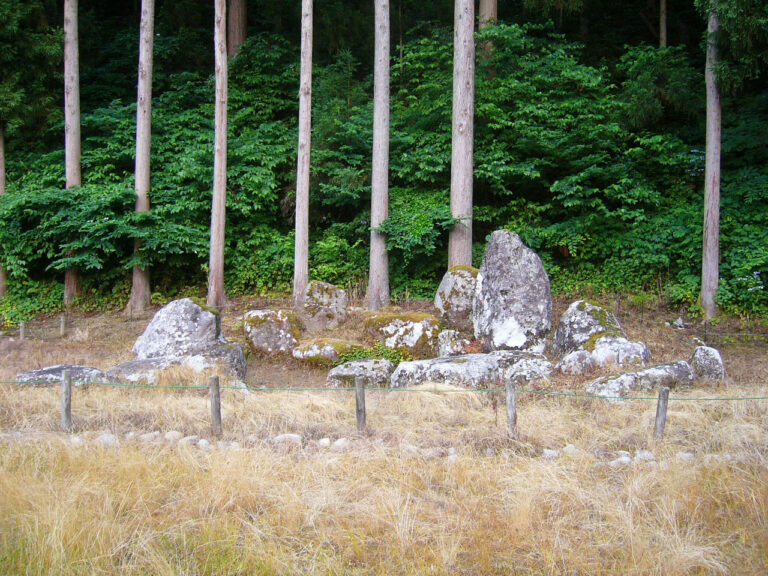
The magnificent garden with megaliths is the largest in scale of the archaeological site, at the site of a concubine of the fifth generation Yoshikage, the small shōshōshōshōshōshōshōshō, which was built during the Muromachi period and has not undergone alteration in later life (special name).

Asakura-kan ruins garden

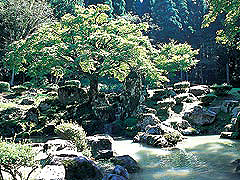
A small garden to the south within the site of the Asakura-kan; a cluster of houses, which were places of customer service, was arranged around the garden; and a garden made during the Muromachi period and not subject to alteration by posterity (special Meishatsu).

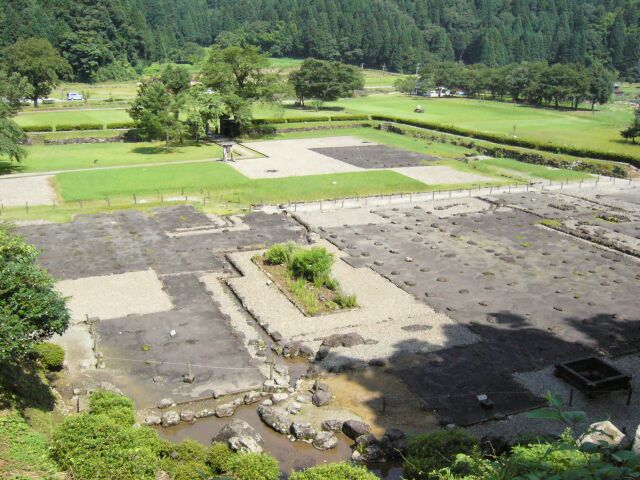
The site of Asakura-kan

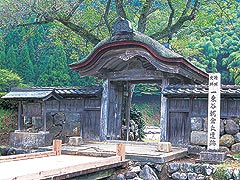
The site of the hall where the fifth generation Yoshikage Asakura lived. It can be seen that there were 16 buildings, with a foundation stone spread all over the 6400-square-meter site. The temple gate at the entrance is the temple gate of Songyun-in, which was erected in the third year of Gyeongsang (1598) to mourn the Bodhisattva of Yingjing. The current gate was built in the mid-Edo period.

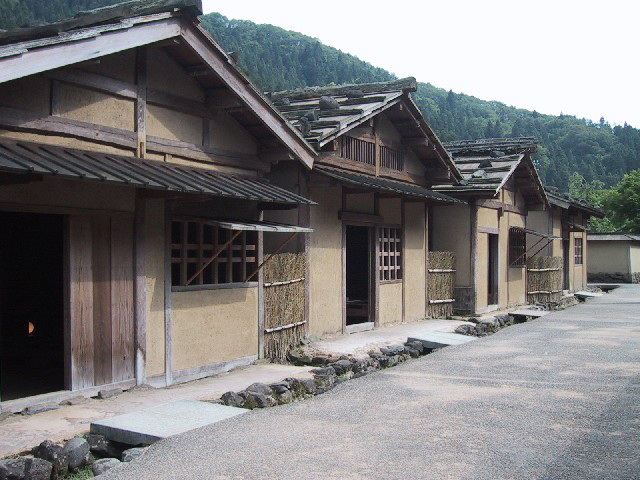
Ichijōdani Asakura Site Fotohara Town

It is located within the ruins of Ichijōdani Asakura, and the excavated samurai residences and machiya are three-dimensional restored to see the construction of the castle town at that time and the life of people.

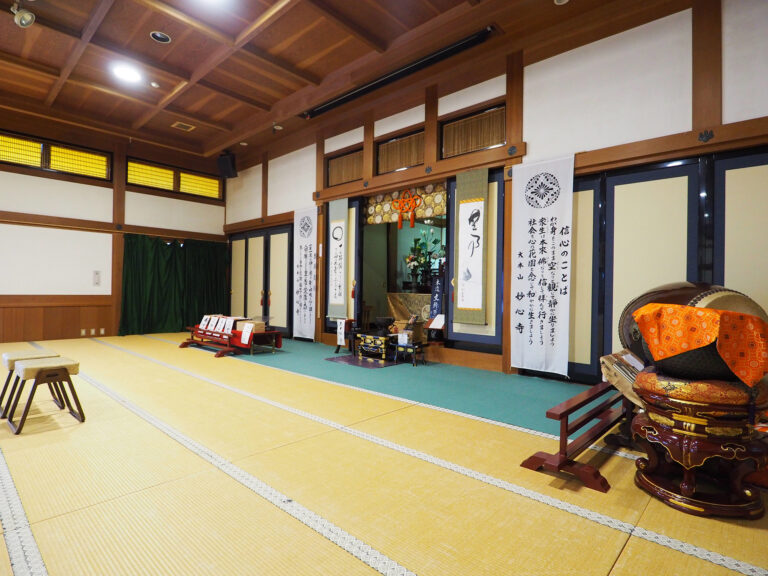
Daian Zen Temple

The Matsudaira family's bodhi-ji temple was built in the first year of Manji (1658) by the fourth Fukui feudal lord, Matsudaira Mitsuru. The entire area of the building is designated as a National Important Cultural Property. There are also many temple treasures. At the back of the main hall, there is a graveyard of successive feudal lords called Sōjashiki, which is made up of 1360 sheets of Shikotani stone (Shakudanishi), and the four-meter-high gravestones are a masterpiece. There is also a zazen course where you can feel free to participate, and a genuine dish using seasonal ingredients. Both need a reservation.

Contact Us: Business & Personal Inquiries

By proceeding, you agree to our Terms of Use And confirm you have read our Privacy Policy .

Notes

· We are available for inquiries 24 hours a day. Responses will be provided between 9:00 and 18:00 (including weekends, public holidays, and year-end/New Year holidays).
· Depending on the nature of your inquiry, it may take some time for us to respond.

RURUBU & ALL WAY JAPAN
Privacy Overview

This website uses cookies so that we can provide you with the best user experience possible. Cookie information is stored in your browser and performs functions such as recognising you when you return to our website and helping our team to understand which sections of the website you find most interesting and useful.