Archives: Travel Post

Kanagawa Prefectural Earth Citizen Kanagawa Plaza (commonly known as Asuplaza)
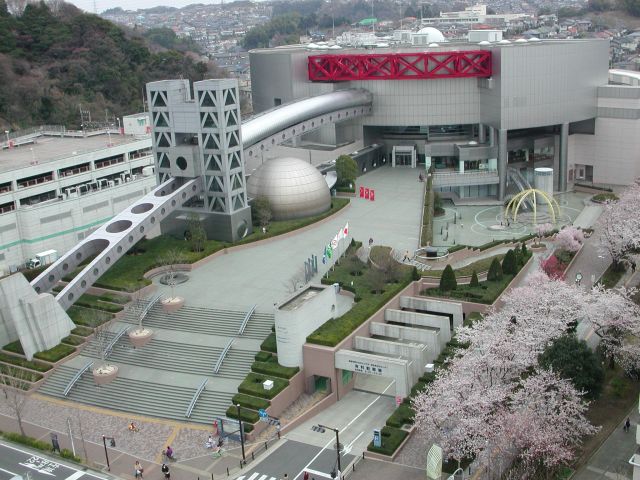
Azu Plaza (Kanagawa Prefectural Earth Citizen Kanagawa Plaza) is a member of the earth, thinking about international understanding of world culture and life, and international peace and global challenges in our daily life, A comprehensive facility to act from familiar things you can do. In the International Peace Exhibition Room, there is an exhibition of materials and images about the war, mainly in Kanagawa, and in the International Understanding Exhibition Room for Children, private houses and shops in Thailand, Nepal and Brazil are reproduced. There is a corner where movies and children's video works related to international understanding, peace and the environment can be viewed for free, and a library that holds more than 30,000 books.
Yokohama Children's Botanical Garden

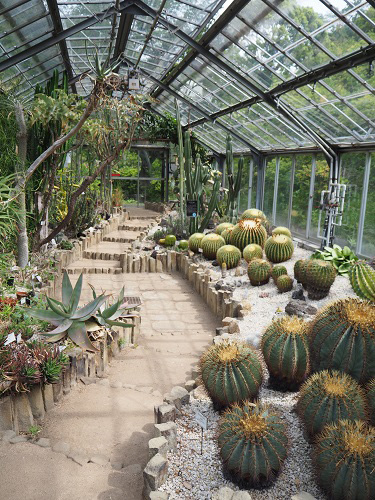
There are about 2000 kinds of plants, including a rose garden with about 150 kinds of roses, a herbal garden, a fruit garden, and a nature observation forest. Many rare plants such as Newton's apple tree, Mendel's grape, and hankwood are also collected. In addition to special exhibitions of various plants, seasonal festivals such as the Spring Festival and the Autumn Festival are also held. In addition, gardening consultations can be made free of charge at the "green consultation office."

Maioka Park

A park of about 300,000 sq m on the hill land. A path for strolling is maintained, and there is a plaza, a paddy field that leaves a rural landscape, and an old private house from the early Meiji period. You can also see wild birds and enjoy nature observation. There is also a village of Koyato (time: 9-17 o'clock, regular holidays: 1st and 3rd Mondays (the next day in case of a public holiday), December 29-January 3), where an old private house is located.

Kuraki Park

Taking advantage of the natural landscape, you can also enjoy the flowers of the four seasons, such as plums and cherry blossoms. There are two large and small ponds, a stream, Jiyuji Square, a children's playground, as well as the Kurakinono stage and the Yokohama City Electric Railway.

Sandondai ruins

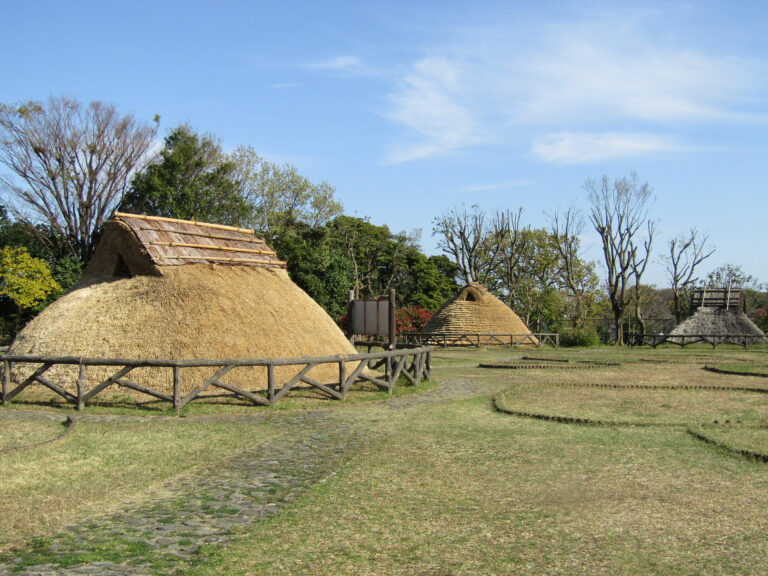
It is open to the public as the Sandondai site, and is the site of a Jōmon, Yayoi, and Kōmō period settlement on a hill at an altitude of about 55m, and has been designated a national historic site. Along with the maintenance of restored dwellings and house-site protection buildings from each era, the attached Sandondai Archaeological Museum displays excavated items.

Tomizuka Hachiman-miya

In the year of Nobuhisa 4 (1072), Yoriyoshi Minamoto and his father and son Yoshike recommended Fengmei Hosoda [Ojin no Mikoto] (Emperor Ojin [Ojin no Tenno]) and Hikomi Tomizu [Totsugi no Mikoto] (grandson of Sagami Kunizo II) [Kanjo]. The main shrine was dedicated in Tenpo 11 (1840), and the shrine was dedicated in 1934. It is said that at the top of the mountain, there is a burial hall of Tomihiko, which is named Tomizuka and bears the place name of Totsuka.

Cave in Taya

A cave in the precincts of the temple. Several hundred statues of Buddha are carved on the walls and ceiling inside the cave, which has a total length of about 1km, including the main temple of Ichigankobo Daishi, the Ryokai Mandala, and the Ryokai Mandarashon, as well as the Hyakura. With a candle in his hand, he can make a full circle in a cave marked as the Goes Road, but flea marks and Buddha statues rising in pale light make a singular world.

Qingyuan-in

A quiet ancient temple along the Tokaido. Oman no, a handmaiden of Tokugawa Ieyasu, opened the mountain by inviting Koishikawa Dentsuin Hakuho [Bikuyo]. "Seiyuan-in" is the law name of all people. It is also a temple where many people were cremated, and there are traces of it. The main temple is Tiki Amitabha, which will be opened on July 18.

Goren Temple

A temple of the Shingon sect Koyasan school. It was reportedly founded in the first year of the year of the year (1222) by the application of Masako Hōjō (Hōjō Masako) by the master Terukiyo. In order to become a guardian Buddha for women and children, the statue of a self-engraved nun general was laid in Mikage-do, and said to the attendees that "all the troubles were spared, aspirations were fulfilled, and there was no profit." A well, reportedly a well of nun-general makeup, remains in the precinct.

Josho-ji Temple

In the first year of the Meiji era (1868), the temple of the Nichiren sect known as the "Onikomojin-sama". The guardian deity of this temple, the Onikomojin, was celebrated at the time of the 8th Shogun Tokugawa Yoshimune. Therefore, Aoi's crest is a temple crest. In the main hall, the statue of the Onikomoshin is enshrined. There is a fair on the 8th of every month, and there are prayers for children's insects and prayers for stopping crying at night, as well as prayers for cheap prayers and evil protection.

Contact Us: Business & Personal Inquiries

By proceeding, you agree to our Terms of Use And confirm you have read our Privacy Policy .

Notes

· We are available for inquiries 24 hours a day. Responses will be provided between 9:00 and 18:00 (including weekends, public holidays, and year-end/New Year holidays).
· Depending on the nature of your inquiry, it may take some time for us to respond.

RURUBU & ALL WAY JAPAN
Privacy Overview

This website uses cookies so that we can provide you with the best user experience possible. Cookie information is stored in your browser and performs functions such as recognising you when you return to our website and helping our team to understand which sections of the website you find most interesting and useful.