Archives: Travel Post

Lingchun

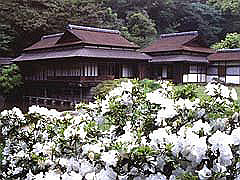
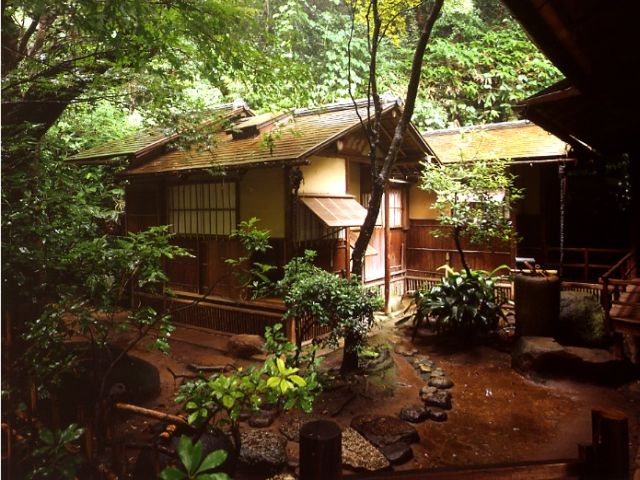
It is said to be "Iwadegoten", a villa of the Kishu Tokugawa family's Sukiya-style Shōin-zo, originally located on a scenic spot along the Kinokawa River in Wakayama. It is an architecture dated to the second year of Keian (1649), and the chamber is colored with barrier paintings by the Kano school and others, as well as delicate and luxurious sukiya designs. The appearance of the pond in the form of a goose is one of the best landscapes in Sankei Garden, and it is a piece that is contrasted with the Katsura Palace.
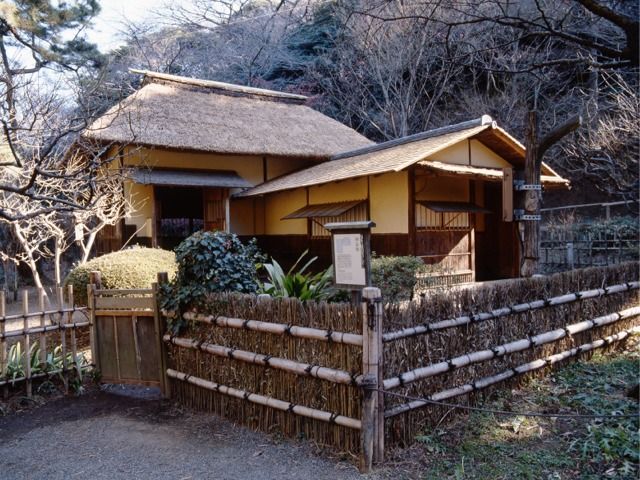
Yokofue hermitage

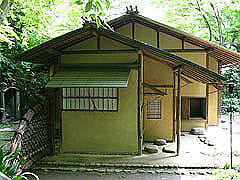
It is a thatched kōan-style building in the outer garden of the Sankei Garden, consisting of a small section of 6 tatami mats and a wide area of earth. It is called this name because it used to have a statue of a horizontal flute inside. Inachō Fuue is a female servant who served the Kenrei-in Temple, the middle temple of Emperor Takakura, a woman known for her sad love with Taira Shigemori's servant, Tōyori Saito (Takiguchi Irimichi).

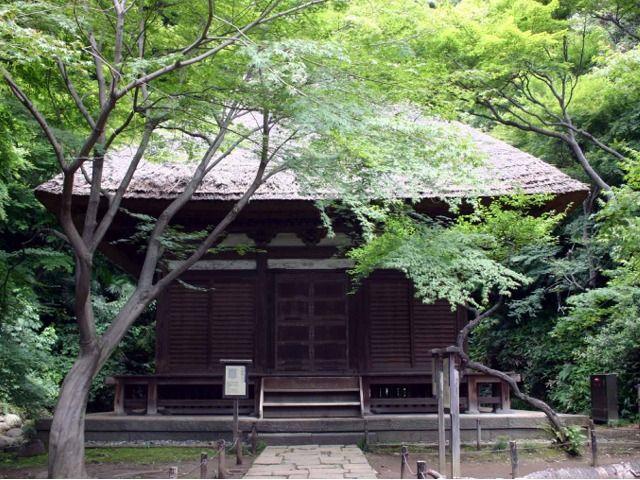
Temple

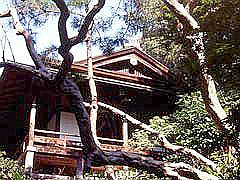
It is built in the Sankei Sonnai-en, with a thatched building of the Zen sect. It was built in the fourth year of Keian (1651), and is said to have relocated the Jizo-do, which was located on the site of Shinpeiji (abandoned temple) near Kamakura Kenchō-ji.

Hearing Autumn

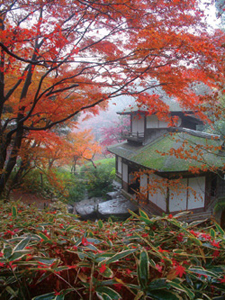
A tower tower building with a small second floor, located in the Sankei Garden. It is said that Tokugawa Iemitsu built it in Nijo Castle, Kyoto in 1623, and later gave it to the Kasuganotsubune. Although it is a shyin-style, it avoids symmetry and has the taste of a tea room.

Spring grass Lu

A three-tatami-tai tea room in the Sankei Sonnai-en, built and transmitted by Oda Nobunaga's younger brother, Yuraku [uraku]. The one that had been located in the Kinzoin Temple of Mimuroto-ji [Mimuro-Toji] in Uji along with the Moon-Hwa-den (Important Cultural Property) was relocated in 1922. Because it has nine windows, it was called "Kudo-tei" before the relocation.

Moon Hua Temple

It was reportedly built inside Fushimi Castle, Kyoto, in the year of Keijō 8 (1603), and was a waiting room for a visit to the area. Inside, there is an openwork parapet of a chrysanthemum design, with a kokita tomomatsu (Kaiho Yūsho) brush and a transmitted dorume. It was moved to Sankei Garden in 1918.

Golden Grotto

A tea room with a single tatami mat built by Mr. Hara Sankei in 1918, located in Sankei Sonnai-en. This name is given because of the use of a bridge in the high column of Sanmon Kinge-kaku at Daitokuji Temple in Kyoto. It is connected by a migratory corridor with the Moon Hua Temple (Important Cultural Property).

The former arrow shirabara house

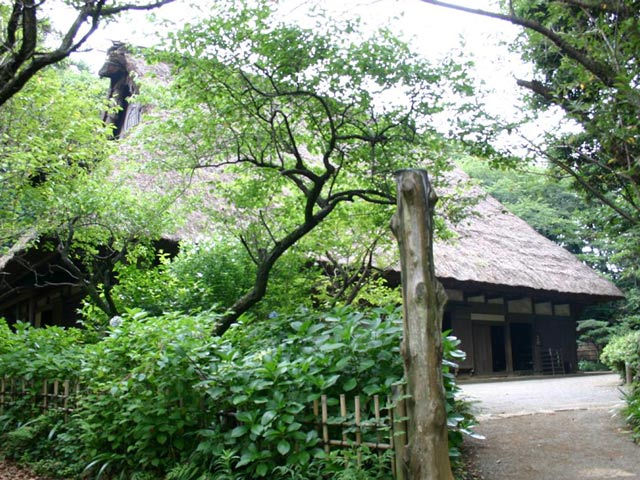
The Gassho-style Shoya house, built in the late Edo period, was relocated from Shirakawa Township in Gifu Prefecture. It is 13.2m side and 23m front in single-to-three-tiered housing with a thatched roof. It can be seen that the left half of the building has a completely different architectural structure on the left side, such as a house building with a shiki-tai entrance, while the right half is a farmhouse building. Inside, folk goods from the Hida region are displayed.

Former Hondo Temple

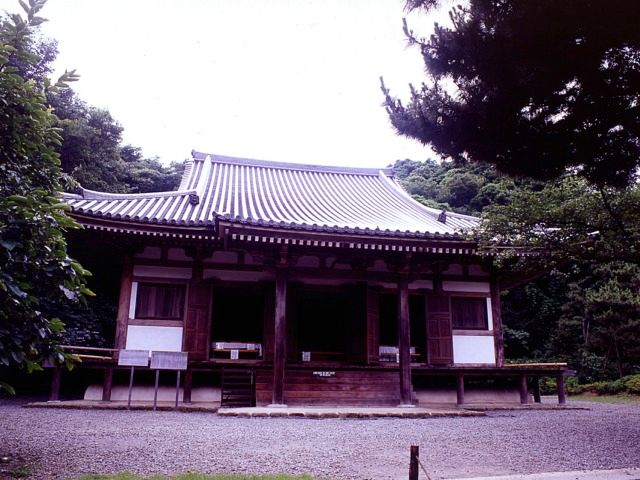
Located in the Sankei Garden Gaien, it was relocated from the ancient temple of the ancient temple of the early Muromachi period, which was founded by Emperor Shōmu, and was built from the temple of the temple, Kyōkyōmei-ji, which is the largest of its kind in the country.

Old Myoji Temple Triple Tower

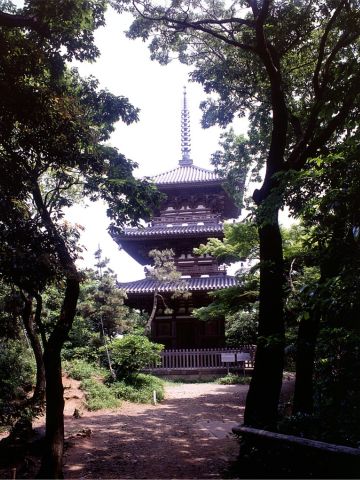
A triple tower standing on a small hill in the center of Sanxiyuan. It was located in the Kyoto Tomei-ji temple of the Emperor Shōmu, and was built in the Muromachi period of the third year of Yasumasa (1457). It was relocated to Sankei Park in 1914. Total height of about 24m. It is the oldest wooden pagoda in the Kantō region and is the symbol of Sankei Garden.

Contact Us: Business & Personal Inquiries

By proceeding, you agree to our Terms of Use And confirm you have read our Privacy Policy .

Notes

· We are available for inquiries 24 hours a day. Responses will be provided between 9:00 and 18:00 (including weekends, public holidays, and year-end/New Year holidays).
· Depending on the nature of your inquiry, it may take some time for us to respond.

RURUBU & ALL WAY JAPAN
Privacy Overview

This website uses cookies so that we can provide you with the best user experience possible. Cookie information is stored in your browser and performs functions such as recognising you when you return to our website and helping our team to understand which sections of the website you find most interesting and useful.