Archives: Travel Post

Road Station, River Station Water Township Sawara
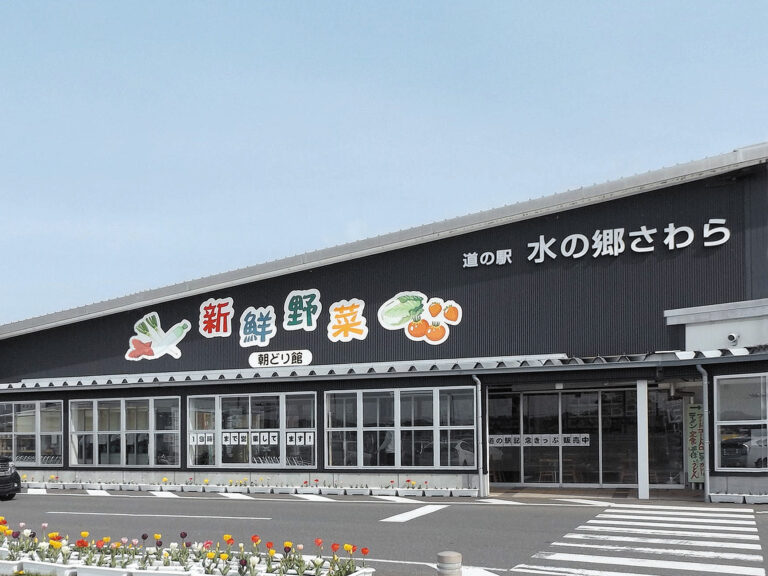
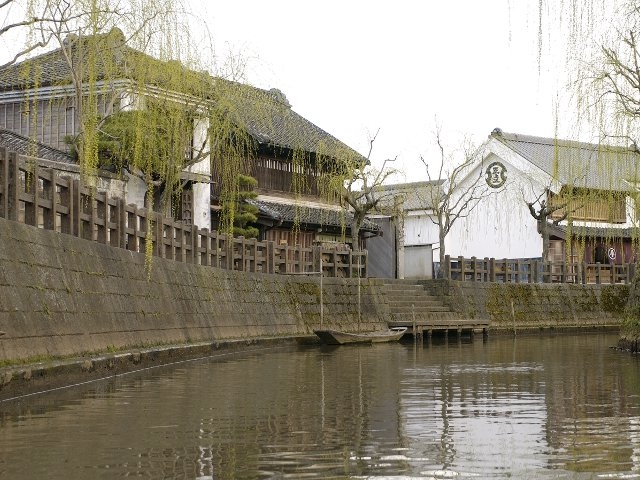
The "Water no Sato Sawara" is an integral facility of a roadside station in the southern capital and trading city of Sawara, which flourished with its craft, and a river station facing the Tone River. It provides a place to interact with "water" and "people" such as direct sales of local specialty products and various kinds of recreation using rivers, disaster prevention education and tourism information, as well as a comprehensive facility for transmitting various kinds of information.
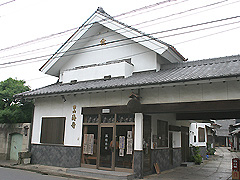
Uedaya Arashi Store

"Arashi" shops made of bamboo and wood. In the past, there used to be one in every town, but now there are fewer. Let's look for items that can be used in modern life, such as zaru and ohitsu.

Toraya Confectionery

A long-established Japanese confectionery established in the third year of the Meiji era (1657). The company produces and sells Japanese and Western sweets that value the sense of season. It is also ideal for Sawara souvenirs, including potato yokan made from local sweet potatoes and paradise with groundnuts. 800 yen per potato yokkan (tax included), and 800 yen (tax included) in five pieces of Rakuka.

Baba Honten Sake Brewery

A long-established Kuramoto established at the Tenwa Year (1681-83). In addition to sake, it also brews and sells mirin, which exudes deep sweetness and richness in the old-fashioned formula. Sake is available at the 2019 National Sake Book Review Awards, Daiginjo Kaishu Shan 720ml 3626 yen, and Pure Rice Ginjo Suigosakari 720ml 1624 yen using pesticide-grown rice. Mirin is 600ml 845 yen for the top white mirin.

East Kaoru Sake Brewery

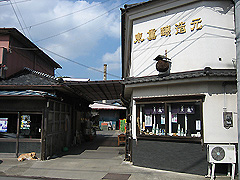
The brewery founded in Bunsei 8 (1825). Originally, this area was blessed with good water and rice from Suigo. Utilizing the interests of this area, it has produced many nameakes. Among them, Daiginjo-Kanou, a 17-time winner of the National Sake Book Review Award, is a 720-milliliter 4200 yen using Yamada Jintao and is popular for its fruity flavor. In addition, there are 720 milliliters of sake from Pure Rice Ginjo Sake Uheibei [Uhee], which uses contract-cultivated rice. Tour and tasting of the production process of liquor at the factory is also possible.

Sparrow-roasted Trillion

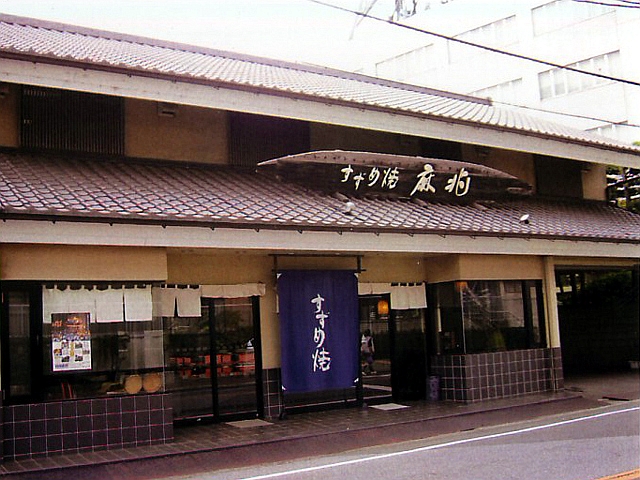
It was founded in the late Taisho era. A specialty store for fish and shellfish tsukudani and sweet-roi. The name of Suzume-yaki, one of Sawara's specialties, is that the figure of a small beech on the back and stabbing it on a skewer resembles a sparrow. At present, something that has become like an eye-piercing without being left open is also called Sparrow ware. 120 yen for one round skewer, 140 yen for one shrimp grilling. All of them are savorly baked with a secret sweet and spicy sauce.

Raft-yaki Honpo Masami

Tenpo 3 years (1832) The remaining stores of the architectural tottering door, a thousand-piece lattice, are reminiscent of the merchant houses of the Edo period. The specialty raft is 200 yen per skewer. It is said that the shape of a few smelt on a skewer got its name because it looks like a raft. There are also 2 skewers 270 yen for suzume yaki and 540 yen for various types of tsukudani such as small shrimp.

Yumo Refinery

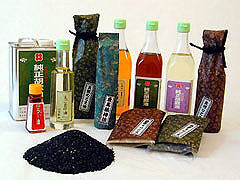
It produced and sold sesame oil from the time of its founding during the Edo period. The manufacturing process is old-fashioned. First, good quality white sesame is squeezed using the traditional technique of jade squeezing, and the most squeezed oil is slowly filtered through washi paper. The resulting sesame oil has an elegant flavor and taste, and the clear color makes you feel the traditional technique. The proud pure sesame oil costs from 180g 650 yen.

Nakanosuke Shoten

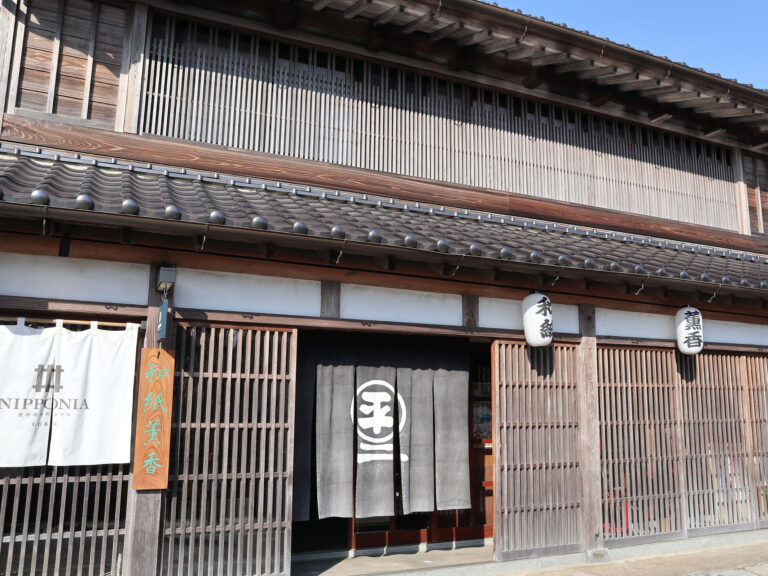
He runs a store of washi paper, incense, and incense sticks at a merchant house that said he had been dealing with daily necessities since the Meiji era. When he passes through the wind-flowing lattice door and enters the store, where the scent of incense is drifting, the Japanese-style items are waggled.

Nakamuraya Shoten

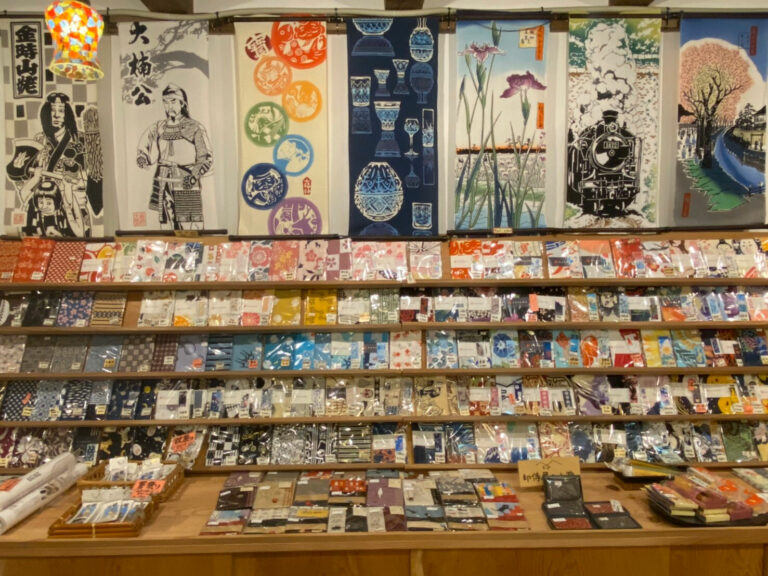
It is designated as Chiba Prefectural Tangible Cultural Property for its three-story construction of the building of the Meiji 27 (1894). There are items that are perfect for souvenirs such as retro Japanese goods, miniatures of Sawara's Great Festival floats, and hand towels. The third floor is Nakamuraya's mini-museum, which is a must-see because it displays the reins.

Contact Us: Business & Personal Inquiries

By proceeding, you agree to our Terms of Use And confirm you have read our Privacy Policy .

Notes

· We are available for inquiries 24 hours a day. Responses will be provided between 9:00 and 18:00 (including weekends, public holidays, and year-end/New Year holidays).
· Depending on the nature of your inquiry, it may take some time for us to respond.

RURUBU & ALL WAY JAPAN
Privacy Overview

This website uses cookies so that we can provide you with the best user experience possible. Cookie information is stored in your browser and performs functions such as recognising you when you return to our website and helping our team to understand which sections of the website you find most interesting and useful.