Archives: Travel Post

Sakura samurai residence (former Kawara family, former Tajima family, former Takei family residence)
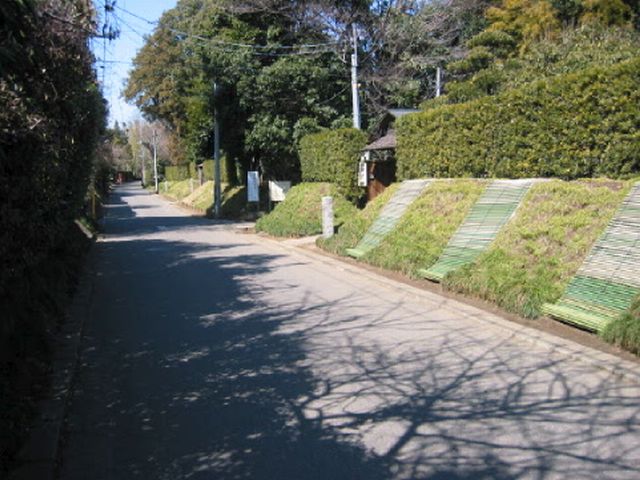
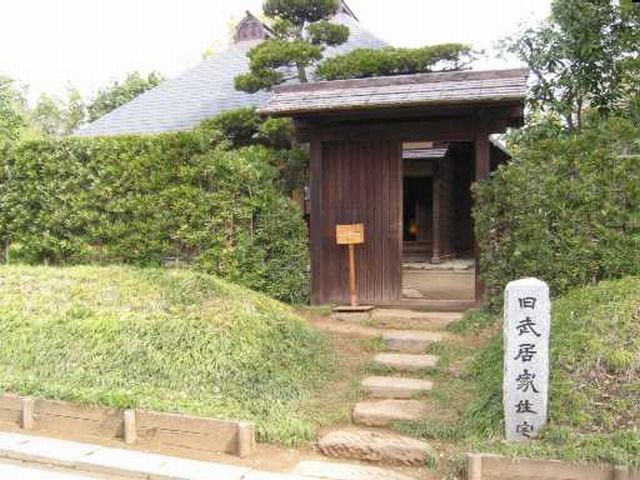
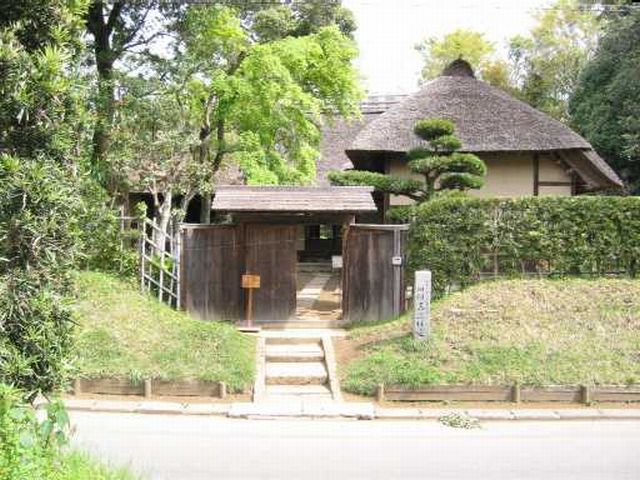
Miyakoji, located to the east of the Sakura Castle site, which has become the Sakura Castle Ruins Park, is a district that retains the feel of a samurai-yashiki town surrounded by earthworks and hedges. There are also sakamichi and samurai residences with the place names as they were at the time, such as Kurayamizaka and Hiyodori-zaka, and now three samurai residences are open to the public. The former Kawara family residence was designated as Chiba Prefectural Tangible Cultural Property, while the former Tajima family residence was designated as Sakura City Tangible Cultural Property. On the tour you can see the inside from outside the building. It is also one of the constituent cultural properties of the "Hokuso Four Cities Edo Kiyuki", a Japanese heritage site certified in 2016.
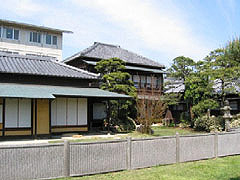
Former Hotta House

The residence of Hotta Masatomo (Hotta Masatomo), who was the last lord of the Sakura clan. The five main buildings and the Tozo and the Mokaban are designated as National Important Cultural Properties. The gardens, including the buildings, have been designated as national masterpieces. The building, completed in 1890, retains the characteristics of the senior Japanese-style architecture of the Meiji period. The Sakura Garden, which makes use of the natural terrain, has a stunning harmony between the pine and the shingled stone.

Former Tajima Family House

One of the Sakura samurai residences. It has been restored to the same point as the former location, and has been preserved in conjunction with the surrounding environment, such as the site and garden trees, leaving the shape of the samurai residence throughout the site. You can visit the rooms and take a break.

Former Takei House

One of the Sakura samurai residences. It is the smallest of the three buildings with an area of about 80 sq m. It is said to be the residence of Ochi [Shōchi] (a feudal lord less than a hundred stones) at the time. In the building, ceramics excavated from the samurai site and materials related to the life of the clan are displayed.

Former Kawara House

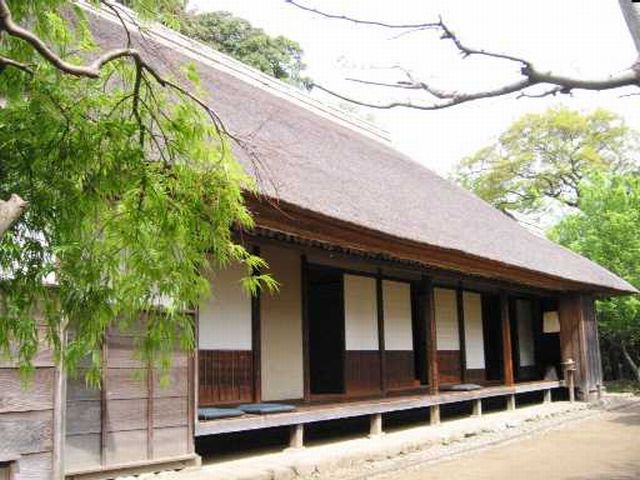
It is the highest-ranked samurai residence among the three samurai residences, equivalent to a large mansion with more than three hundred stones. The fact that the entire building with a thatched roof is bent in an L-shape is a way to get enough vacant land between neighbors on a site with a wide front. Because of its architectural style, it is considered to be the oldest of the samurai residences remaining in Sakura. Images of the furnishings of the time are displayed in the room.

Sakura Citizen's Forest

The park is located to the east of Inba-numa, opposite the Sakura-Kusabue hill. It is a popular forest bathing spot with many insects and birds. The former Masuda family house with a thatched roof built in the early Meiji era has been relocated. It is also possible to visit the interior.

Inba-numa

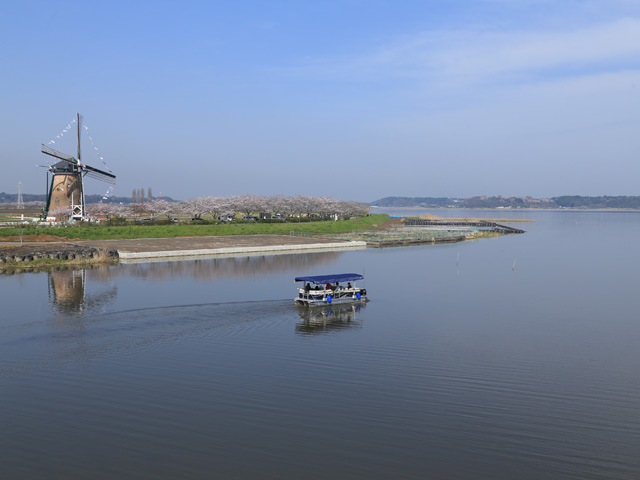
Located in the northwestern part of Chiba Prefecture, Inba-numa is a freshwater lake consisting of two swamps, namely Kita-Inba-numa and Nishi-Inba-numa, connected by a quick waterway. It has spread across many municipalities such as Sakura and Inzai, and has been used for agriculture and fishing since ancient times. In recent years, reclamation has progressed and residential land has been developed around the swamp, but the rural landscape is still visible and the rich nature remains. Many people visit fishing because there are many fish such as carp and crucian carp in the swamp, and cycling roads and promenades are also maintained along the lakefront. There are parks such as Sakura Hometown Square in Nishi Inba-numa, and there are a variety of events by each municipality, mainly in the swamp.

Mori no Yuenchi

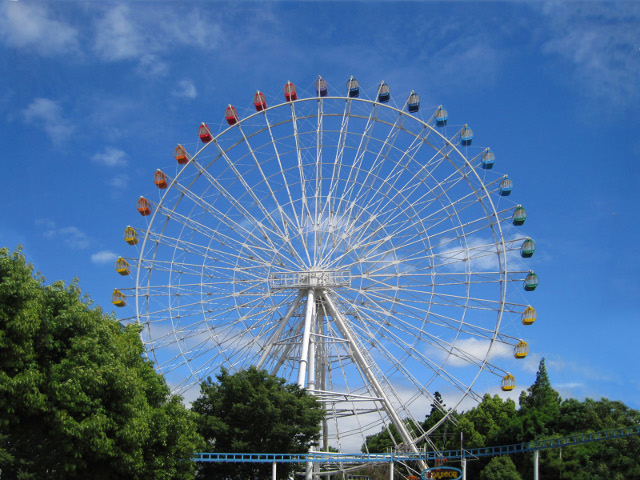
Adjacent to the shopping center. The Ferris wheel, which is about 65 meters high, overlooks the city, and if you are blessed with the weather, you can overlook the Sky Tree and Mount Tsukuba. There are 15 other attractions for kids, such as card mazes and fairy trains, and entry is free, so you can stop by on the way back from shopping.

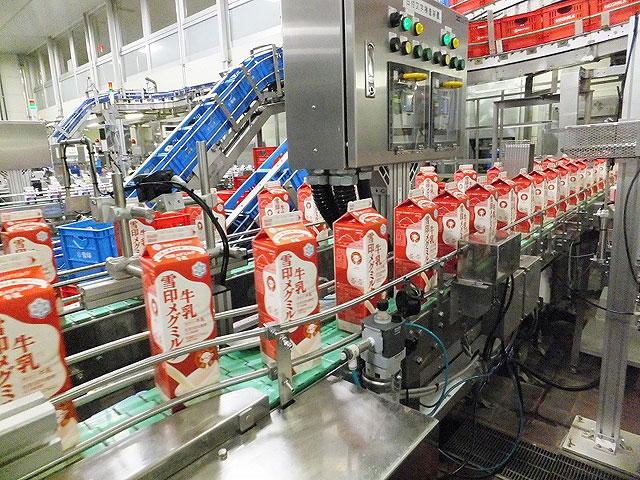
Snow Brand Meg Milk Noda Factory

We are conducting a tour where you can see the production process of milk and juice, fruit yogurt, such as "Snow Brand Meg Milk Milk", a popular product, and you can also taste milk.

Glycopia CHIBA

Glico's first ice cream factory visiting facility. The factory and the corporate museum are united, and the theater shows "The Founder Riichi Ezaki" and others. You can tour the production process of Papico and Seventeen Ice through the glass. Take an air shower, feel the cold in the freezer, and learn about ice making while having a unique experience. I also want to pay attention to the design of the hall studded with playfulness. After the tour, you can sample papico.

Contact Us: Business & Personal Inquiries

By proceeding, you agree to our Terms of Use And confirm you have read our Privacy Policy .

Notes

· We are available for inquiries 24 hours a day. Responses will be provided between 9:00 and 18:00 (including weekends, public holidays, and year-end/New Year holidays).
· Depending on the nature of your inquiry, it may take some time for us to respond.

RURUBU & ALL WAY JAPAN
Privacy Overview

This website uses cookies so that we can provide you with the best user experience possible. Cookie information is stored in your browser and performs functions such as recognising you when you return to our website and helping our team to understand which sections of the website you find most interesting and useful.