 English
  Japanese
  Chinese (China)
  Chinese (Taiwan)
  Korean
 Sunlight wood carving village hometown home
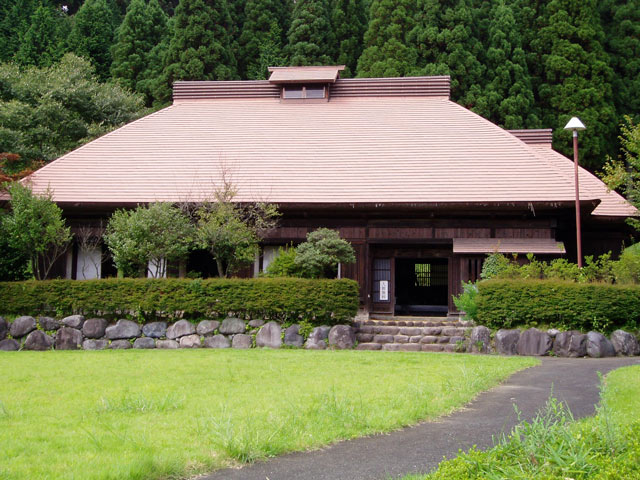
It is a restored farmhouse in the late Edo period of the city of Nikko, and you can learn about the life of the farmhouse at that time. It takes 15 minutes.

It is a restored farmhouse in the late Edo period of the city of Nikko, and you can learn about the life of the farmhouse at that time. It takes 15 minutes.
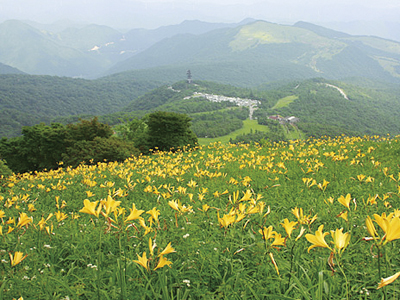
The Kisuge Pai Park area, which stretches from 1300 to 1600m in the middle of the Nikkuran Mountains, is a grassland where various kinds of flowers compete in bloom, as well as from the spring katakuri to summer Nikkouki sedge. In addition to the promenade and observation deck, the 1445-step sky corridor (staircase) leading to the top will be maintained in the garden area, where you can enjoy a variety of beautiful flowers blooming on the grassland and a magnificent view of the Kanto Plain. On a clear day, you can also see Mount Fuji, Tokyo Sky Tree, Pacific Ocean, etc. At the Kiriko Kogen Rest House, you can also send seasonal natural information, and at the second-floor restaurant, Nikko Maffo Coffee, you can also eat coffee and snacks.
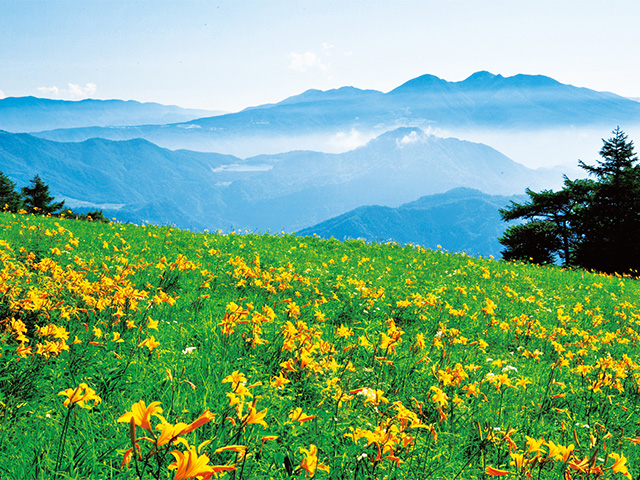
The plateau area extending on the eastern edge of the Nikkōkōkōyō-san, the south-eastern slope of Akanaginayama [Akanagi-san] at an altitude of 2010m. At present, it often refers to the area from the bus stop Miko no Waterfall to Osasa Ranch. There are various restaurants, leisure facilities and accommodation facilities, as well as restaurants, leisure facilities, and accommodation facilities are also provided, with a spring tsutsekike hill in the bloom of various azaleas, and an early summer kisedaira in the bloom of Nikkoukisuge in the whole area.
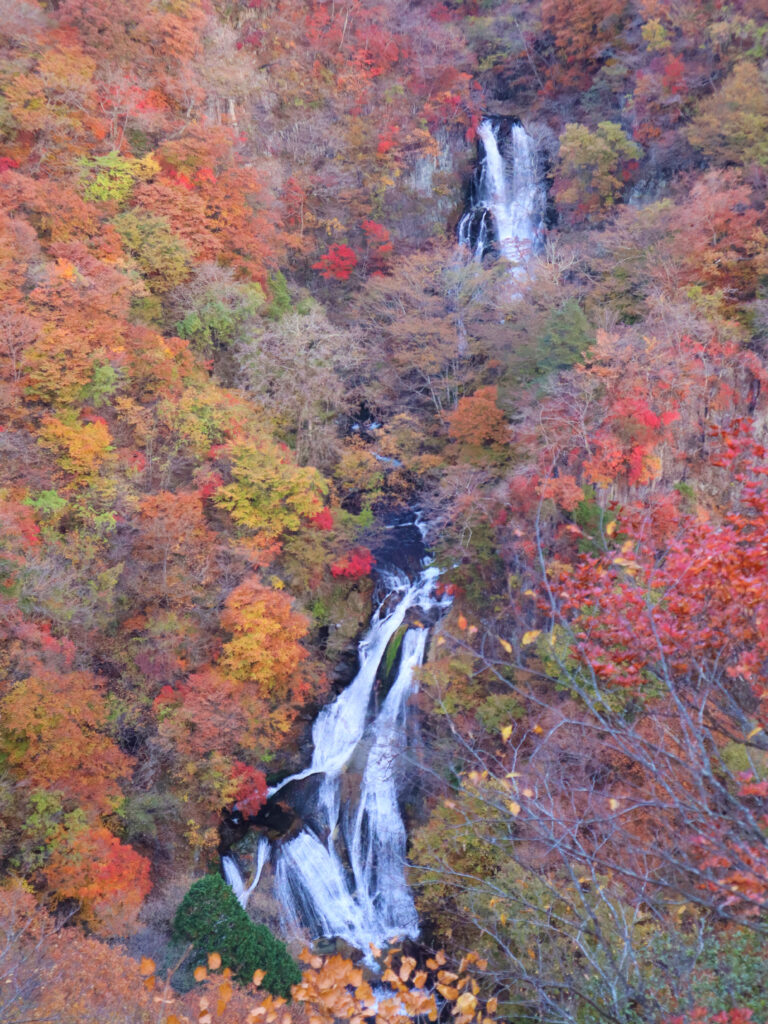
A waterfall over the Mistakus River with two steps above and below and a height of 75m. It is counted as one of the "Hyakusei Falls in Japan" and the "Nikko Sannen Falls" along with the Kegon Falls and the Rai-mai Falls, and is famous as a waterfall that also depicts the ukiyo-e master, Katszhika Hokusai, a representative of the Edo period. It is said that this name was given because the waterfall in the lower row splashes and flows down as if it were to drop fog. The view from the viewpoint in front of the waterfall is stunning. The landscape of the autumn foliage period from late October to early November is quaint.
On the east side of the Tosho Palace, the building that was once the office of the office was turned into a museum. Barrier paintings by Taikan Yokoyama [Yokoyama Taikan], Takakuryo Nakamura [Nakamura Gaku Ryo], and Kanyan Nampu [Katayama Nampu], as well as bearings and books are on display. Take 30 minutes.
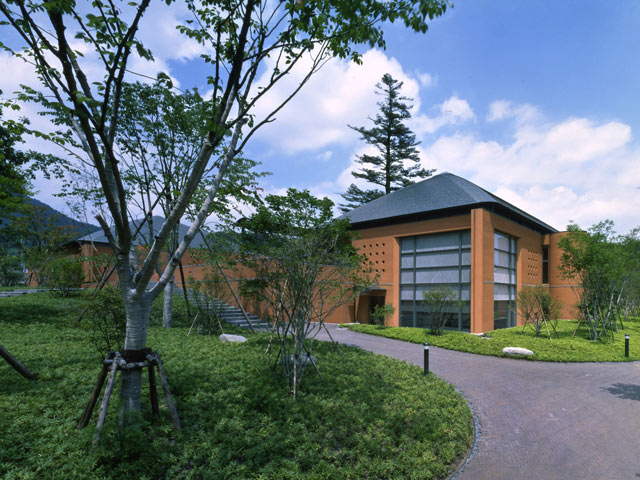
The museum, which will exhibit the basic theme of "The Thing to Nature." he exhibited a number of works, mainly the works of the painter Kosugi from Nikko. A concert is also held in the entrance hall, which has excellent sound effects, as well as an appreciation lecture, which introduces how to enjoy the painting that would inspire you to become familiar with the fine arts. At the same cafe, you can taste hermit soda and cake sets related to the hermit called hermit.
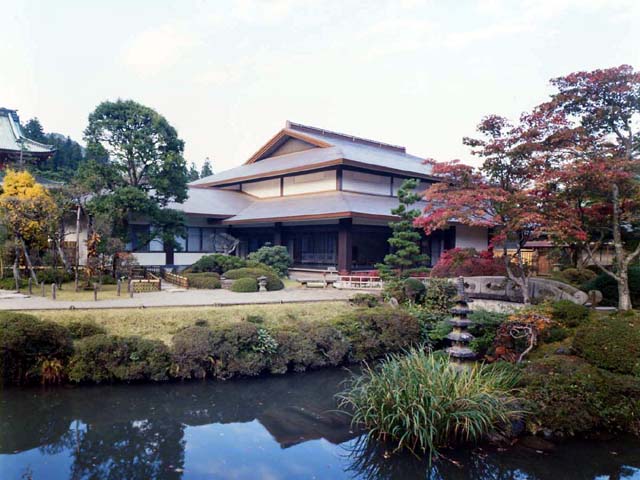
It is located in front of the Sanbutsu-do Temple of the Rōnji Temple. It houses some 30,000 precious temple treasures, including Buddhist statues and drawings, crafts and scriptures since the Nara period, and exhibits about 50 items at all times. The Tokugawa family's family's crest, Miba Aoi's crest, and the Sanskrit-filled kawari (keman), and the iron-shaku staff, which is said to be a kamikato, are very interesting. Display change once every two months. As a special cooperative hall of the Tokugawa Memorial Foundation, documents and paintings of the Tokugawa family are also on permanent display.
Valuable artefacts and drawings are on display, including the remains of Tokugawa Ieyasu and items donated by the Imperial Court, as well as imported goods by the Nanban trade, which took 30 minutes.
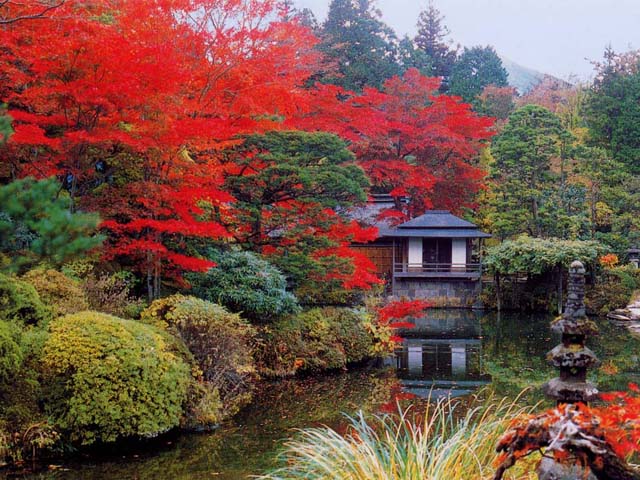
It is a garden adjacent to the Rennō-ji treasure hall and is of the Ike-Izumi excursion style built during the Edo period. It is said that it imitates the Omi-Hakkei, with Mt. In the pond, carp swims, and the pavilion and garden stones surrounded by overgrown trees create a quaint space. Around mid-May, when rhododendron buttons are in bloom, and the autumn foliage period is particularly beautiful.
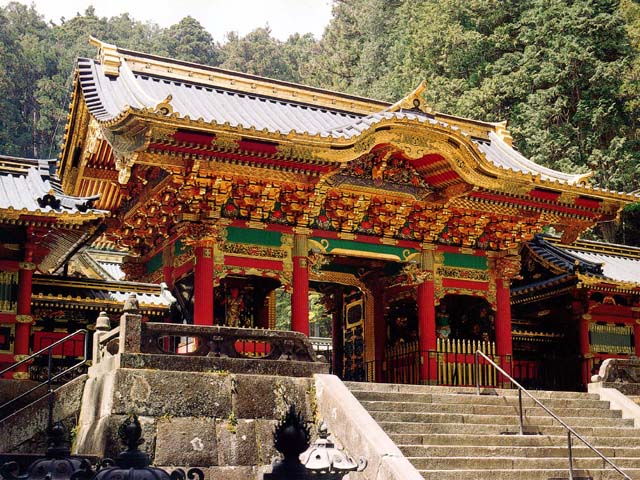
It enshrines the four yasha bodies that protect the east, west, north and south, and the yasha gate of the Rōnji Taiyūin, which is equivalent to the Yangmingmon at the Tōshō-gū. The roof is also the same as that of Yangmingmen. It is known as the Yasha Gate because of the color and kana yasha carrying weapons such as Bidara [Bitara], Aba Mura [Abatsumara], Keitara [Kentara], and Uma Rukaya [Umarukya] guarding the gate. Also known as Peony Gate is from the place where many button flowers are decorated. There is a solemn atmosphere with black-red and gold in the whole.