Archives: Travel Post

Rōnji Jōgyodo and Hoha-do (Rōnji Two-do)
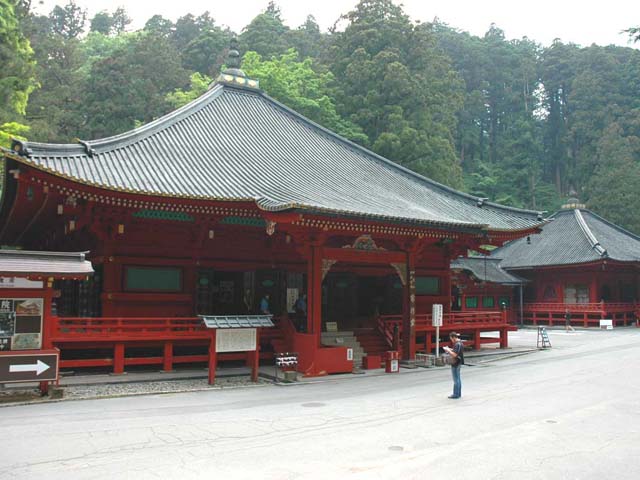
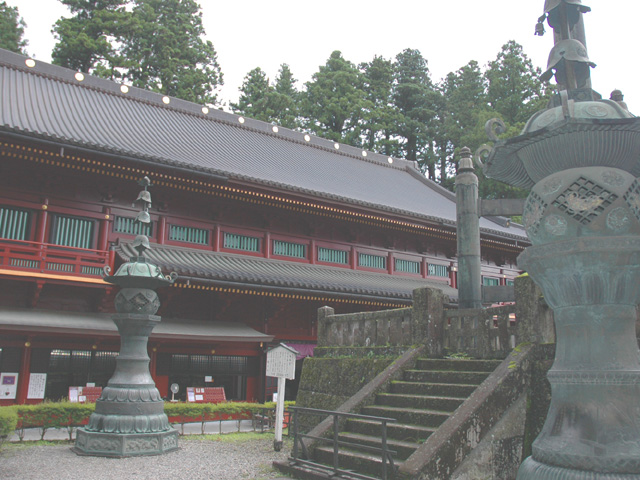
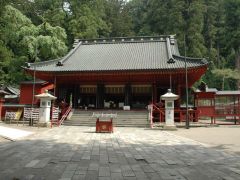
In the first year of Jiasho (848), it is reportedly founded by Jiakudai. It is a temple that stands in front of Ootorii at Futarayama Shrine, facing the left side of the temple, Jōgyodo (Jōgyodo) and the right side of the temple (Hōkō). Both are the buildings of the Hōgata Zou Zhuyin, and the two Dōu are connected by a bridge corridor. It is called a temple that carries such a form, and it can only be seen on Mt. Hiei in others. Only the Jokyodou is published.
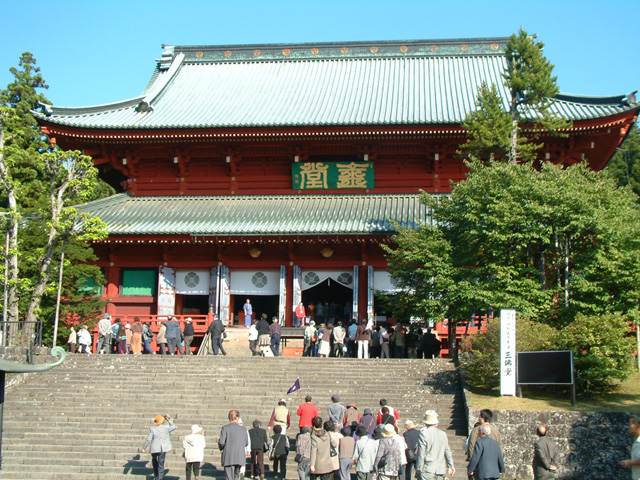
Three Buddhists at the Ruo Temple

It is the main hall (important cultural property) of Mount Nikkōsan, and is the largest wooden structure in East Japan with double-layer iris house construction, copper tiled roof roof, 33.8m frontage, 21.2m depth, and zukuri throughout the gaijin. In the first year of Jixiang (848), he was founded by Jikaku Daishi. In Genwa 3rd year (1617), he was transferred to the precincts of Futarayama Shrine during the Tōshōgū Genjō. It was later moved to its present land by the Meiji Order of the Separation of Shinto and Buddha. The three Buddhas are enshrined in the temple: Sente Kansei Onto Bodhisattva, Amitabha Buddha, and Maitou Kansei Onto Bodhisattva, which are the home Buddhas of the Nikko Sansha.

Rangouji-ho-do

A small temple in Zukhi, at the rear of the Sanbutsu-do in Rūnōji, which is enshrined in Bishāmon-ten, Daikoku-ten, and Būkōten (now enshrined in the Tōmādo).

Runouji Thread-tally Keron

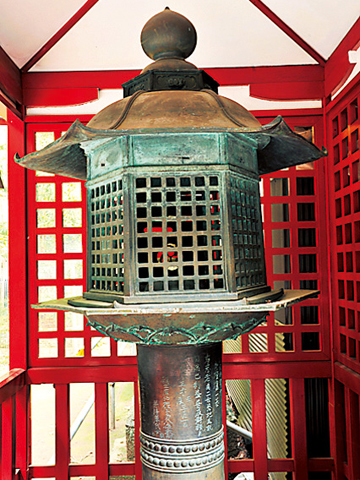
A pair of copper lanterns standing at the rear of the Three Buddhas of the Ruangji Temple, in front of the Awarto. In Gyeongsang 9 (1604), a privileged group of merchants who were allowed to import and sell Chinese raw silk exclusively by Prince Ieyasu was referred to as "thread-splitting companions", the first year of Gyeongsang (1648) in April, it is this thread-talkami that was dedicated by them in the 33rd anniversary of Prince Ieyasu. Because of the merchants at that time, Tōshōgū Jinmae was not allowed to be dedicated and was kept here, but it was still an exceptional treatment in private offerings, it said.

Tomotomo Shrine

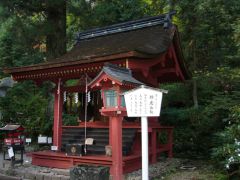
A shrine that stands in front of the Futara Reisen in the Futarayama Shrine Shrine (paid), surrounded by giant cedar trees. The god of worship is the god of wisdom. In addition, next to the shrine, there is a bashi sasa, which is said to be a good guardian deity. It is said that he is blessed with all kinds of good relations, including good relations between men and women, work and friends.

Honmiya Shrine

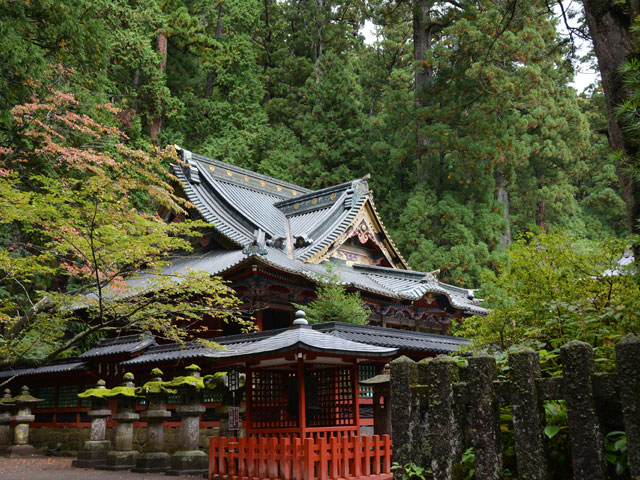
In the year of Enryaku 9 (790), the birthplace of Futarayama [Futara-san] Shrine, where the first small shrine was built by Katsumichi [Shōdo] Jinjin in search of the spirit in Nikko. Although the shrine is a reconstruction of the Edo period, it retains the form of mountain faith, in which the door at the back of the main shrine is opened to worship the mountains of the distant gods. The main shrine, Tang Gate and Tyeong are important cultural objects.

Futarayama Shrine Main Hall

It is a graceful structure in the Azuchi-Momoyama style, which was built and built by the Tokugawa 2nd Shogun Hidetada in Genwa 5 (1619), following from the Futarayama Shrine, Watariden. It is also the oldest surviving building in Nikko-Yamauchi. It is divided into a chancel and a chancel, and a priest is enshrined in the chancel. I can't see it.

Futarayama Shrine Futarareisen

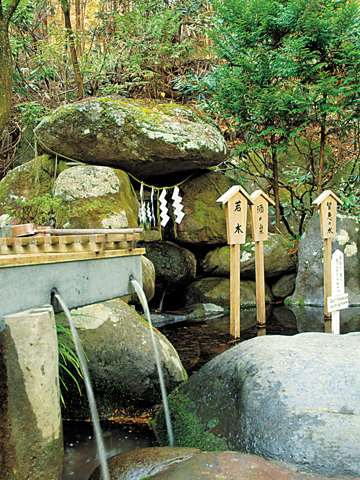
The Reisen, which is built with the megaliths and minishiki of the Ōya River [Daiyagawa], is located in the Niarayama Shrine Shrine (paid). "Yakushi no Mizu", which is said to be effective for eye disease, which springs from the cave of Mount Henreizan behind the main shrine, and "Sake no Izumi", which springs on the banks of Tenguzawa, on the precincts of Takio Shrine. In the immediate vicinity, there is a resting place, Azumaya, and you can take a breather for 300 yen of amazake made from Reisen water, 400 yen of coffee and matcha. A 300-yen poly container for take-home use is also on sale.

Futarayama Shrine

A Tang copper-made goon lined with many stone goons that were donated along the Tri-feng fence of the Futarasan Shrine main shrine. When the light was turned on late at night, it turned into a shady figure, so it was named Kaoroko. Countless sword wounds that were slashed by Kego's samurai remain.

Futarayama Shrine Worship

As you pass through the Futarayama Shrine Shrine, it is located in front. It is also a place where daily festivals and prayers are held, including the Yayoi Festival. With a frontage of 16m and a depth of 12m, the single-storey building is simple and powerful, with no sculptures or patterns uncommonly in the Hall of Fame of Nikko.

Contact Us: Business & Personal Inquiries

By proceeding, you agree to our Terms of Use And confirm you have read our Privacy Policy .

Notes

· We are available for inquiries 24 hours a day. Responses will be provided between 9:00 and 18:00 (including weekends, public holidays, and year-end/New Year holidays).
· Depending on the nature of your inquiry, it may take some time for us to respond.

RURUBU & ALL WAY JAPAN
Privacy Overview

This website uses cookies so that we can provide you with the best user experience possible. Cookie information is stored in your browser and performs functions such as recognising you when you return to our website and helping our team to understand which sections of the website you find most interesting and useful.