Archives: Travel Post

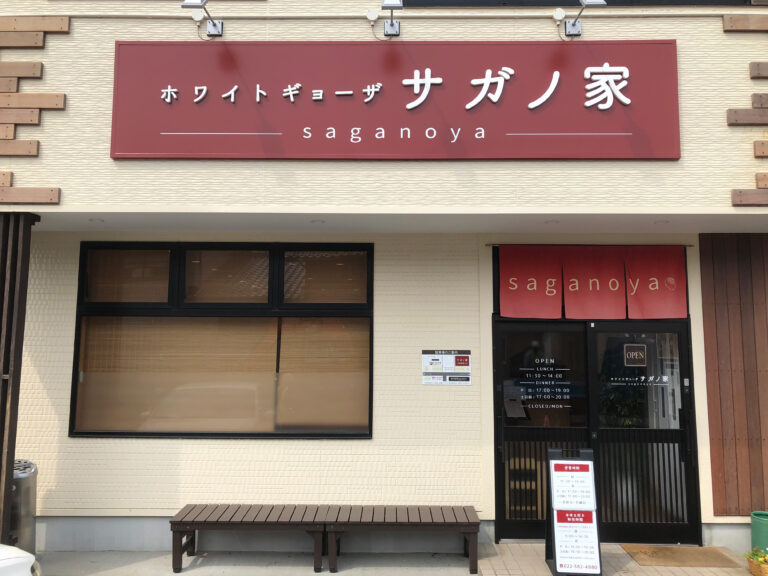
White Gyoza Sagano House

The shape is round, and white dumplings baked in golden brown are eaten. Many of the vegetables to be purchased for the day are from Miyagi Prefecture. The thick dough, which is made by layering in several layers, is handmade, where you can taste the crisp and the mochi feeling when baked. Plenty of 11 kinds of ingredients, such as pork, leek, onion, etc., 8 servings 520 yen ~.

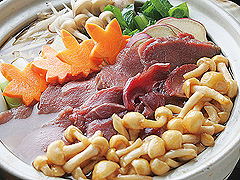
Boar cuisine Kinpachi sushi

Marumori's specialty boar meat is made from miso-style shishishina set. There is also a wild boar bowl (miso soup, fresh incense, and two other items with coffee), 1100 yen, wild boar and boar curry udon noodles and soba noodles.

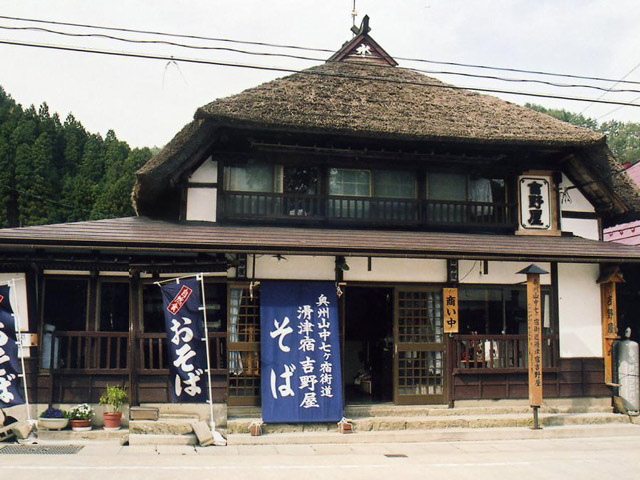
Soba Yoshinoya

A kayabuki-roofed shop located opposite the Ando family main team on the Nanakajuku Highway. You can eat soba with koshi, which uses 100% of the buckwheat flour and water from the local shikajuku. Morisoba/kakesoba 700 yen, Tenzaru 1400 yen with tempura of wild plants such as bracken and zemami.

Zao summit rest house

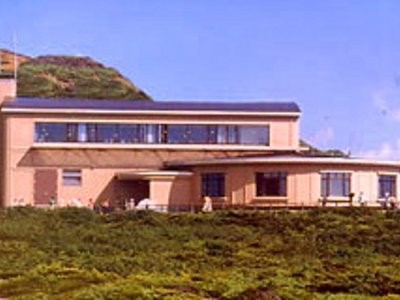
At the rest house, which stands by Ogama, the first floor is a concession stand and rest area, and the second floor is a restaurant. At the restaurant, Japan X Kamakatsudon 1800 yen is popular. Many people wait for the fog to clear here.

Kantō Family

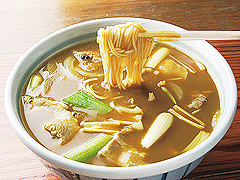
Sennan Suiichi's noodle shop, which is over 100 years old. There is an abundance of soba noodles and udon noodles, which are attached to hand-made techniques and dashi, which are important to the goodness of nodoshi, and carry on the traditions of generations. We recommend the specialty curry noodles 800 yen and the new Gatsun type, Niboshi meat soba 850 yen.

Shiraishi Umen Yamabukitei

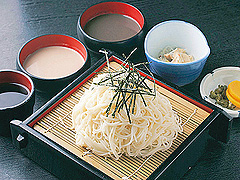
The Oshu Shiraishi Ennen Cooperative's direct-managed store in the Shiraishi City Chamber of Commerce. It is a quaint built-in noodle shop that has been renovated from a mansion of an Australian merchant from the Meiji era. One push is to eat three kinds of sauce: soy sauce, sesame, and walnut. The set menu of the lunch includes noodles, and the menu is abundant, so you can enjoy it in various ways.

Seiji Sato Noodles Uumen Chabō Seijian

Founded in Meiji 16 (1883). It produces and sells hot noodles of about 9cm in length, a specialty of Shiraishi. The production method has not changed since its inception, and it does not use any oil. In the store, you can also eat Sendai miso-tailored green noodles with plenty of vegetables. It is very popular with souvenirs of the raw noodles type.

Umen Bansho

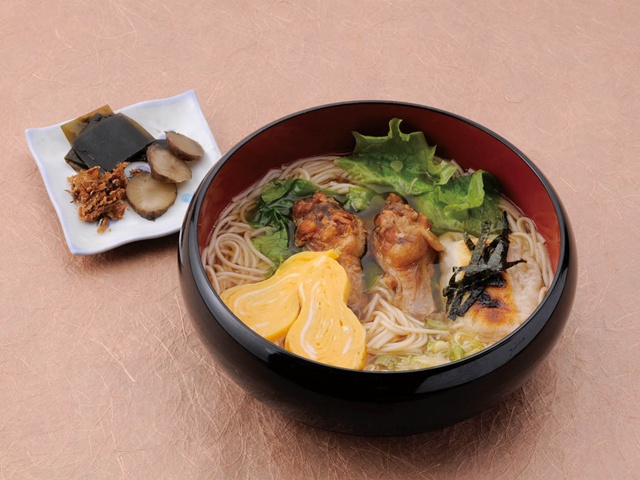
The green noodles made without using oil The hot noodles (Umen) are traditional foods of the Oshu Sendai Domain Shiraishi, which have a long history of being distributed as gifts to the nation's daimyō and public houses in the old days. This restaurant, which was directly managed by the noodle shop founded in 1869, includes hot and cold noodles using local seasonal materials, as well as 2916 yen for the reservation system of Sayuri Gozen. 40 reserved seats and 70 other seats are available without reservation.

Tōtenkaku

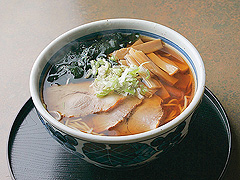
The specialty La Umen 750 yen is a unique menu of ramen that looks good. Soy sauce soup made with chicken gala is used for hand-rolled noodles. There is also a shark fin and Umen 1650 yen, with shark fin figure boiled directly from Kesennuma.

Contact Us: Business & Personal Inquiries

By proceeding, you agree to our Terms of Use And confirm you have read our Privacy Policy .

Notes

· We are available for inquiries 24 hours a day. Responses will be provided between 9:00 and 18:00 (including weekends, public holidays, and year-end/New Year holidays).
· Depending on the nature of your inquiry, it may take some time for us to respond.

RURUBU & ALL WAY JAPAN
Privacy Overview

This website uses cookies so that we can provide you with the best user experience possible. Cookie information is stored in your browser and performs functions such as recognising you when you return to our website and helping our team to understand which sections of the website you find most interesting and useful.