Archives: Travel Post

Teacup kiln remains

The site of a kiln in the Karatsu clan. It was moved from the town of Boshu to this place, then called the town of Tojin, in Kyoho 19 (1734). It was used by the Nakazato clan until the Taisho era. Almost the entire wall and ceiling of the kiln remain. The product of this kiln was called Denjo Karatsu, and was made of matcha bowls, water fingers, and flowers.

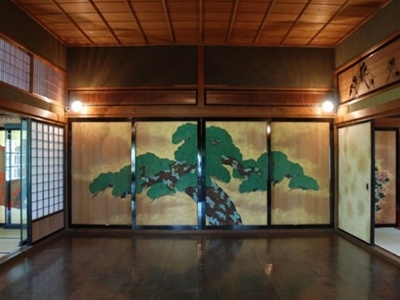
Former Takatori House

The city of Karatsu is dotted with modern buildings and other objects that are remembered for its prosperity after the Meiji era, which flourished as a coal-built port. Among them, the former Takatori residence is the former home of Takatori Iyoshi [Takatori Konoyoshi], who is known as the chief of the coal mine, such as the Kishima Coal Mine (Saga Prefecture). There is a living room building as a living space and a great hall building which served as a reception hall. The Great Hall Building, which was built in 1905 (Meiji 38), has a unique structure, such as the installation of a Noh stage, and various places in the residence have Sugido paintings, which are based on the Chinese story and the flower bird moon, and the parapet, which are stamped with plants and animals, there are plenty of highlights in the design (design), such as the pull metal fittings of the cloisonne ware.

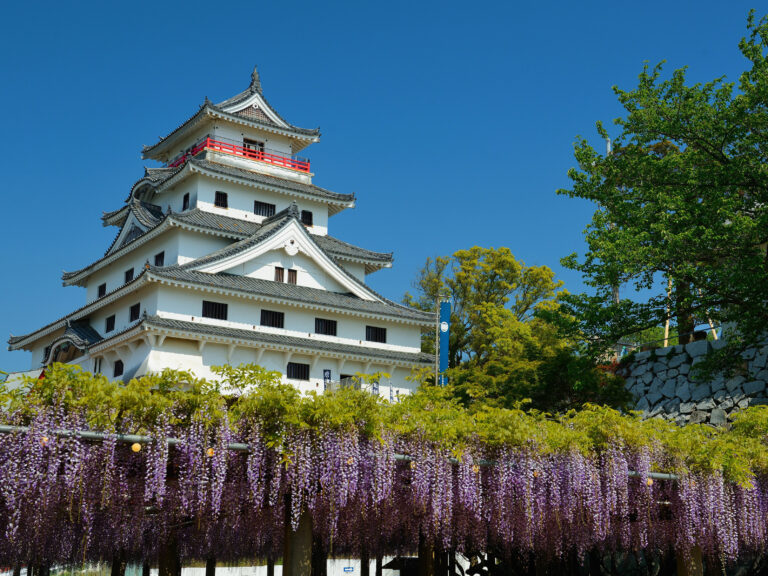
Karatsu Castle (Maizuru Castle)

It was completed in Kyōjō 13 (1608) by the first lord of the Karatsu Domain, Terazawa Shimamori Hirotaka [Terazawashima no Kamihirotaka], who spent seven years of his life. The present castle tower was completed in 1966. The interior is a local museum, featuring Karatsu ware and swordsmanship. Take 30 minutes.

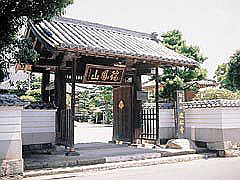
Chikamatsu Temple

It is a bodhi-ji temple of the former feudal lord, the Ogasawara family, and the mountain gate in front is a transfer of a gate in the middle of a famous castle. It is said that the Jōruri writer of the Edo period, Chikamatsu Monzato, studied here when he was a child, and there is a gravestone of his bones. On the precinct, the Ogasawara Memorial Hall (time: 9 to 17 o'clock, holiday: Monday, open for public holidays, 20 minutes), which displays materials about the Ogasawara family.

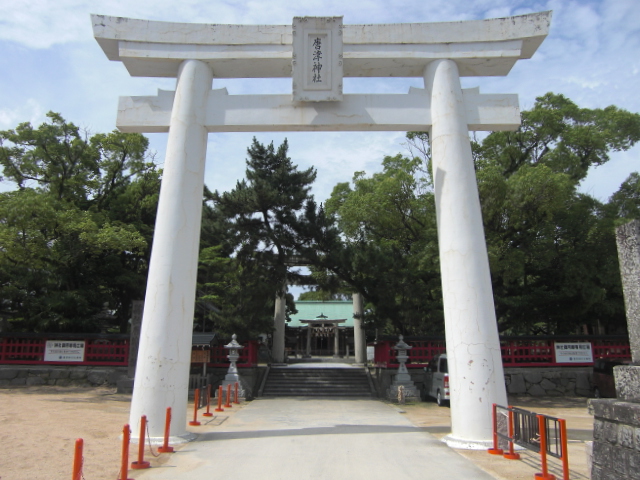
Karatsu Shrine

A shrine of a white torii that is said to have been built during the Nara period. "Karatsu Kunchi" is the autumn festival of Karatsu Shrine. It is also an intangible cultural heritage. The event is held on three days from November 2 to 4 every year, and 14 gorgeous Hikiyama colors the city. The brilliant Hikiyama, which is super-chromatic, such as red, blue, and gold, which weighs 2-4 tons, is powerful and responsive.

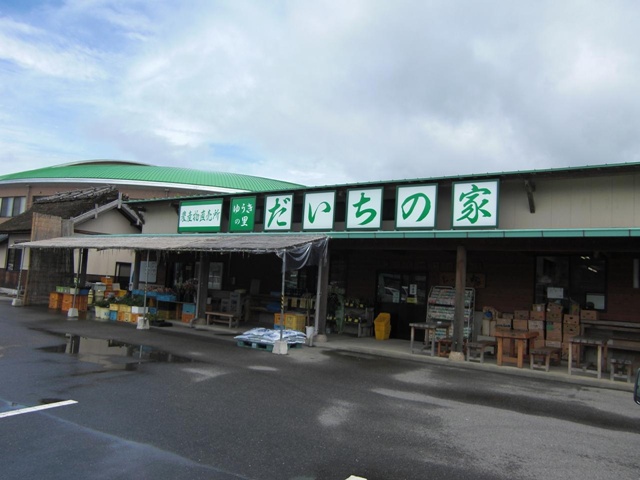
Yukinosato, Ganghoku-cho "Daichi no Ie"

Located almost in the center of Saga Prefecture, the town of Gangbok is famous as a "slow food town" which started organic farming (no pesticide) in the 60 s. Daichi's house is a farm shop in Gangbuk town. In 2002 (2002), rice bread baked in the bread workshop, including the ancient seven-grain rice of organic cultivation worked by Katsuhiko Taketomi, who won the "Slow Food Award", also known as the Nobel Prize for food, selling a rich variety of foods and vegetables such as miso and pickles.

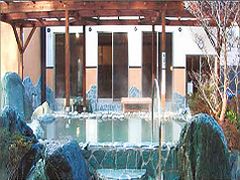
Omachi Onsen Hijirinoyu

Day-trip hot spring facility at the foot of St. It uses a source rich in hot water that springs from 1500m underground. In addition to the inner bath, the garden open-air bath surrounded by green trees also has a walking bath, and features ten types of baths and a sauna, including a toutage bath and a source bath. There is also a dining room and a banquet hall.

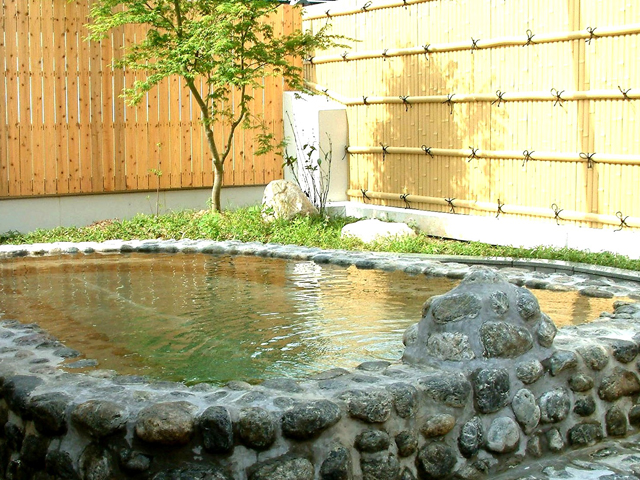
Ogi City Health Sports Center Isle

The facility was built on the base of the town-dug "Tsunosato Onsen". It is characterized by a hot spring of 59 ° C, which springs from about 1700m underground, is cooled to about 42 ° C and constantly poured into the bathtub and overflowed. It is also said to be "beautiful hot water" that makes the skin smooth. There is also an open-air bath, and the footbath in the courtyard is free. Indoor pool and training room are also available.

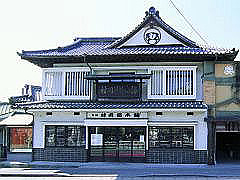
Muraoka Sohonpo

It was founded in 1899. A long-established store that spread the name of "Ogi Yokan". The ingredients are carefully selected, and various kinds of yokan and Japanese sweets are produced using traditional techniques. In particular, the special cut-out yokan, which is finished by the traditional method, is popular to enjoy the crisp feeling of the outer sugar and the soft taste of the inside at the same time. Ogi Yokan specialty cut yokan is available in four varieties of kokura, hongen [honeri], hongen [beni-eri], and matcha [matcha] each for 250g 800 yen and Aoen-do for 900 yen.

Contact Us: Business & Personal Inquiries

By proceeding, you agree to our Terms of Use And confirm you have read our Privacy Policy .

Notes

· We are available for inquiries 24 hours a day. Responses will be provided between 9:00 and 18:00 (including weekends, public holidays, and year-end/New Year holidays).
· Depending on the nature of your inquiry, it may take some time for us to respond.

RURUBU & ALL WAY JAPAN
Privacy Overview

This website uses cookies so that we can provide you with the best user experience possible. Cookie information is stored in your browser and performs functions such as recognising you when you return to our website and helping our team to understand which sections of the website you find most interesting and useful.