Archives: Travel Post

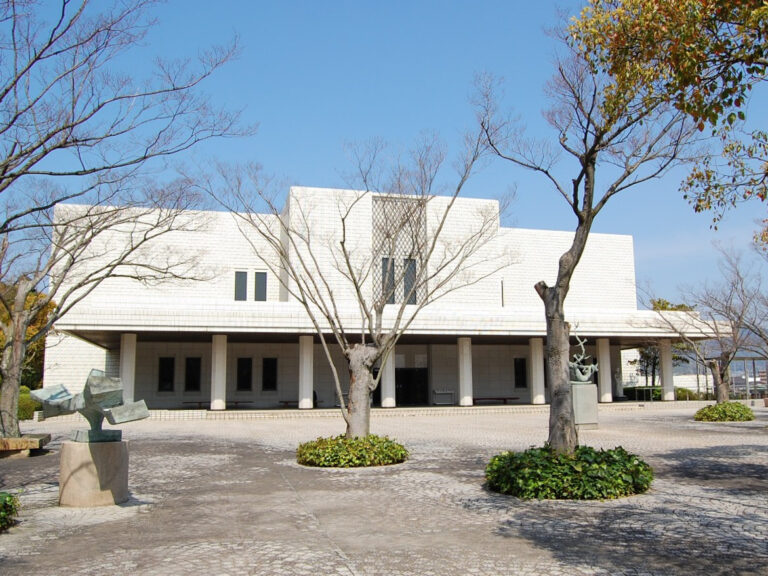
Shimonoseki City Museum of Art

The museum opened in 1983 in a corner of the historic castle town of Changfu. There are more than 2300 collections including art and crafts from the ancient Orient, mainly contemporary Western and Japanese paintings. It collects and stores works by authors representing modern Japanese art, including Yoshikaku Kano, a native of Changfu and said to be the founder of modern Japanese painting, and Takashima Hokkai, which is closely related to Shimonoseki City, Yasuo Katsuki and Yuki Katsura. In addition to the collection exhibition of about four to five times a year, a special exhibition is also held. There is an exhibition of outdoor sculptures by Carl Mires and others on the site, as well as the Chōfu Garden adjacent to the site, and the whole area is a tourist zone of history and culture.
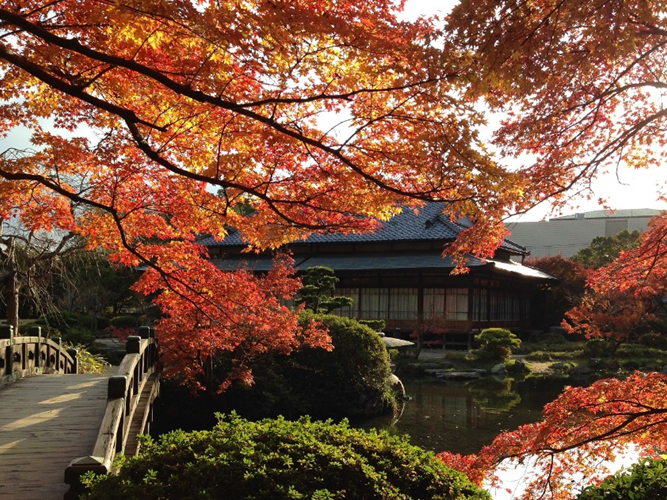
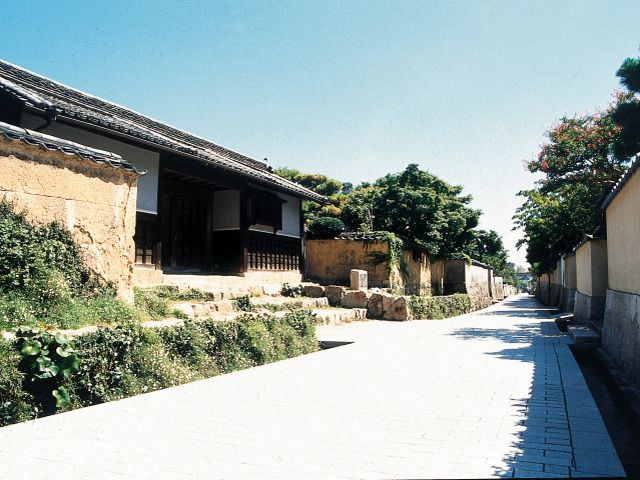
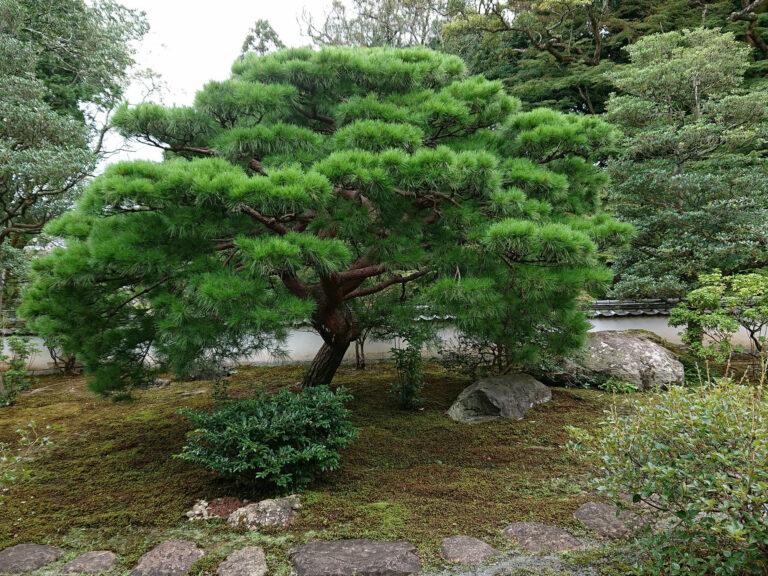
Changfu Gardens

A Japanese-style Japanese-style garden on the site of the residence of Nishi Yunchō [Nishi-Yukinaga], who was a family member of the Nagafu Mohri Domain. On a site of about 31,000 square meters with a small mountain at its back, the temple, tea house, and azumaya are left around the pond, and the former quiet standing is kept to this day. Cherry blossoms, azaleas and irises from spring to early summer, and a pale pink, Sun Wenren, on a white background, are beautiful, given by Chinese revolutionary Sun Wen in summer.

Furue Koji

The street, which keeps the remnants of the castle town in its dark colors; among them, the heavy Nagayamon of the Suga family, who served as a doctor for generations, is a valuable building that completely retains its forms at the time of the architecture, such as the thick-latticed Musha window and the brick wall as long as 38m.

Mōri House of Changfu

It was built in 1903 by the 14th head of the Nagafu Mori family, Mototoshi, and was also used as an accommodation for Emperor Meiji. The 3000-tsubo site surrounded by white walls has three gardens: the Ikesen Kaigai Garden, the Seiin Garden, and the Karesansui Garden. Especially in the season of fresh green and autumn leaves, it is one of the most beautiful flowers that can be grown in the main building. A place to breathe with the service of warm green tea.

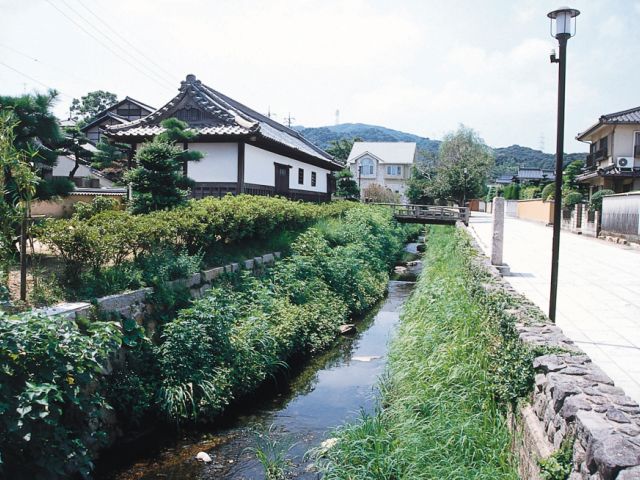
Changfu Domain Samurai House row house

A row house of the samurai in the role of Chōfu Domain Ojimawari 220. 8 for girders, 2 for rates. The buildings with warped roofs are typical of the late Edo period samurai row houses. It stands along the Tantan River, which flows through the center of Chōfu.

Fenggong Shrine

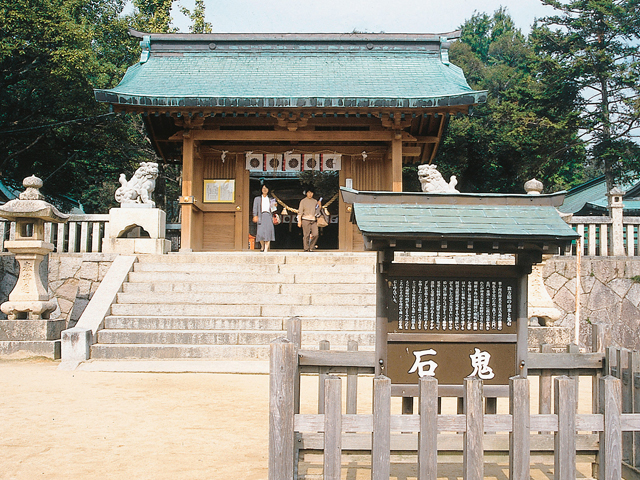
The second year of Gyeongsang (1866), a shrine dedicated to the successive lords of the Chōfu clan. You can overlook the Manju and Hyoju, which are also famous as the place where the Minamoto forces gathered during the Battle of Noura. Scenic place. The completion of the treasure hall in November 2014. Please contact me before the visit to the treasure hall. Admission fee 200 yen for adults, free for high school students and below.

Gongshan Temple

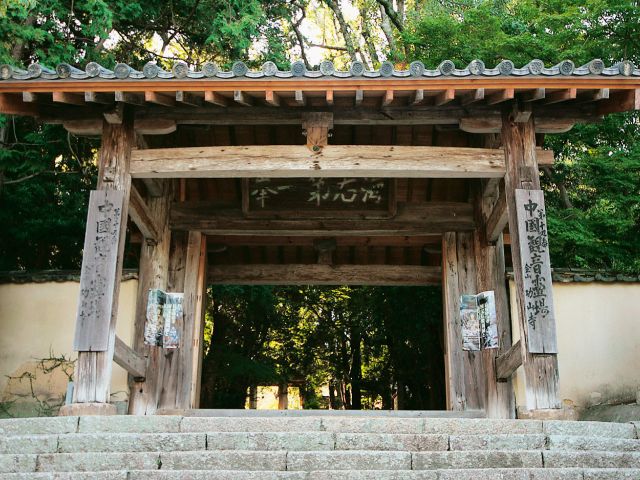
The ancient temple was founded in the second year of Yuanao (1320). The Buddhist temple (national treasure) is from the Kamakura period and is the oldest Kōsama Zen-style building in Japan. Yoshimatsu Ouchi, who was chased by Motonari, was himself-edged here. It is also known as the place where Shinsaku Takasugi decided for the purpose of the reunification of the clan (leading up to the defeat and restoration) at the temple where the lord of the temple, Mami Jōjo, who had been displaced from Kyoto, lived at the end of the Tokugawa period. A statue of Shinsaku on a horse stands on the precinct. Cherry blossoms in spring and autumn leaves are beautiful.

Kakuen Temple

The Chōfu Mohri family Bodaiji Temple was founded by the 3rd generation of the Chōfu Mohri family in 1698 (1698). There are bronze statues of Japanese-painted masters Yoshiki Kano and General Nogi, and the neighborhood is the coinage of the first year of Japanese copper (708), the site of the coinage of Wadokaichin's coinage (historical site), where old coins and fuigos were discovered.

Imemiya Shrine

It is said that the 14th Emperor Nakai and Empress Shinko built the Toyoura Palace here during the Kyushu Pingding and stayed there for seven years. Every year, from August 7, for seven days, the festival is called the Great Festival of the World. They can be seen holding bamboo banners and kneading.

Yoshimi Hot Springs Center

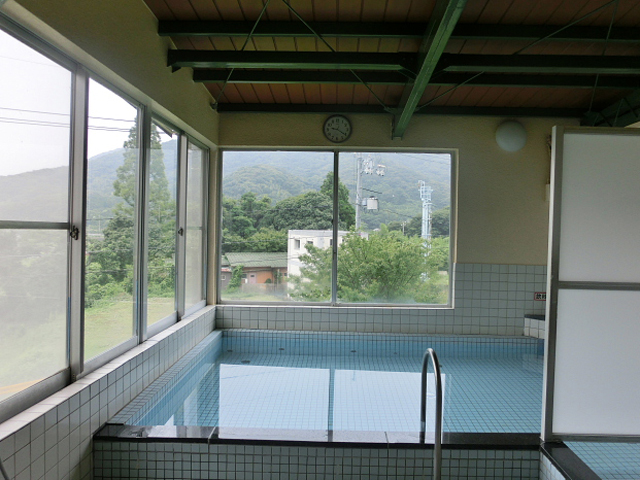
A hot spring facility located in the city of Shimonoseki where day bathing is possible. The facility, which has a large number of regular customers due to the quality of the spring, enjoys a small hot water, a large bath, a family bath and three hot water baths, and its efficacy has gained immense support. From JR Yoshimi Station, there is also a shared taxi service, and the fare is changed depending on the number of people.

Contact Us: Business & Personal Inquiries

By proceeding, you agree to our Terms of Use And confirm you have read our Privacy Policy .

Notes

· We are available for inquiries 24 hours a day. Responses will be provided between 9:00 and 18:00 (including weekends, public holidays, and year-end/New Year holidays).
· Depending on the nature of your inquiry, it may take some time for us to respond.

RURUBU & ALL WAY JAPAN
Privacy Overview

This website uses cookies so that we can provide you with the best user experience possible. Cookie information is stored in your browser and performs functions such as recognising you when you return to our website and helping our team to understand which sections of the website you find most interesting and useful.