Archives: Travel Post

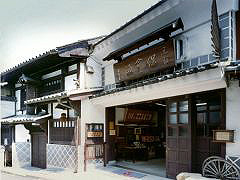
Toyosaburo Irie head office

Pharmacy and life sake from the early Edo period. The sweet liquor, which contains as many as 16 kinds of medicinal flavors, was said to be good for fatigue recovery and nourishment and tonic, and he welcomed the Joseon Correspondent and Perry who had visited Uraga. The popular 900 ml size is 1730 yen. In one corner of the store, old tokkri and old-fashioned crucibles are displayed.
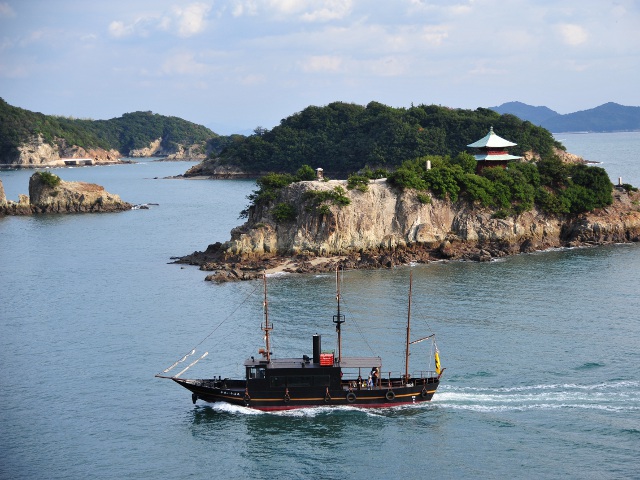
Heisei Iroha Maru

A municipal ferry built to mimic the "Iroha Maru", a steamboat boarded by a marine reinforcer led by Ryoma Sakamoto. The inside of the ship is in a calm retro tone, allowing you to enjoy a boat trip of about five minutes to Sengaku Island.

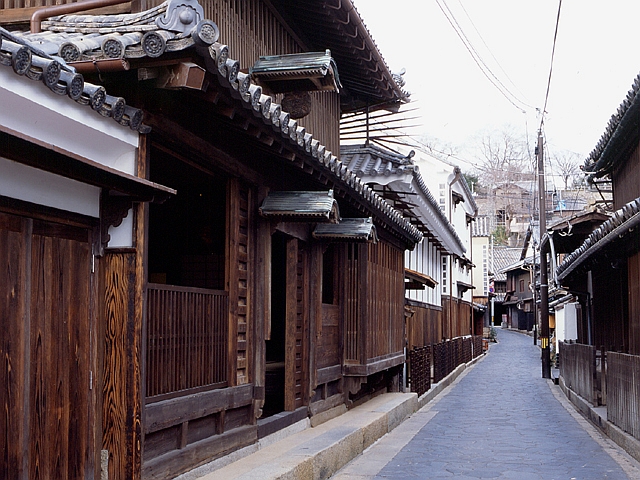
Tomonoura

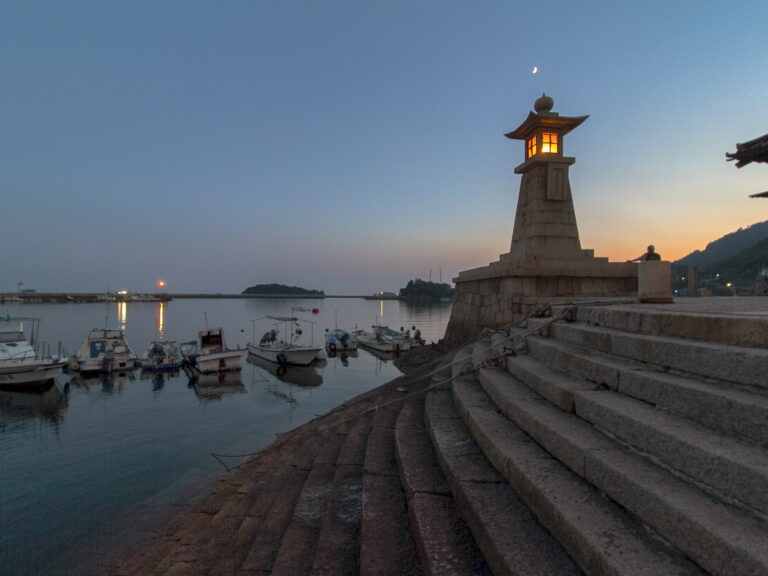
A port town facing the Seto Inland Sea in the eastern part of Hiroshima Prefecture. It faces the waters where the tide of the tide reverses due to ebb and flow, and for that reason it has flourished as a tide-waiting port since ancient times, and is also known as the port where the Sakamoto Ryoma, who was on board the ship that collided, landed at the end of the Tokugawa period. In addition to the stone-stepped landing area called a geese, the curvilinear breakwater called a quay, the nightlight and the ship's office and other port facilities are still there, and the old town is designated as a preservation area for important traditional buildings of the country, it is also certified as a Japanese Heritage Site by the Agency for Cultural Affairs as "Early Modern Port Town". Bream nets of the traditional fishing method are practiced as tourist bream nets.

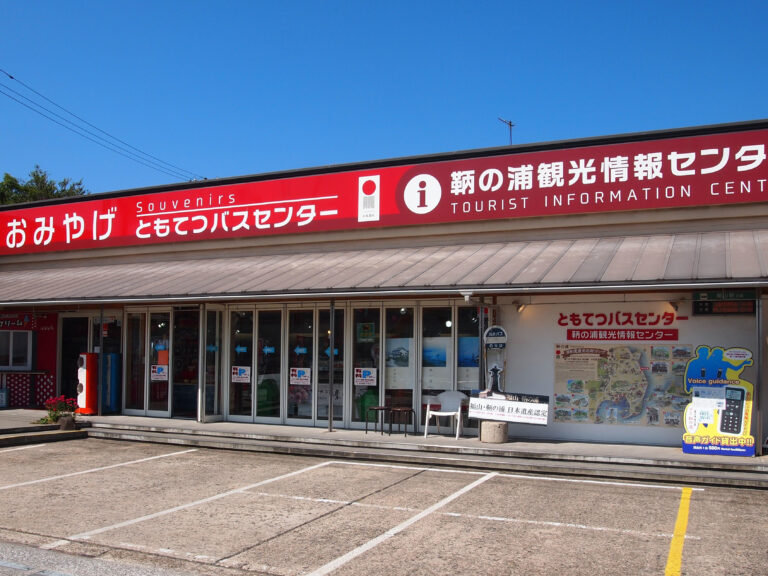
Tomonoura Tourism Information Center (Tomotetsu Bus Center)

Access and sightseeing base of Tomonoura, which has the functions of a bus center and a tourist information transmission base. In addition to the availability of information on events and festivals held in Tomonoura throughout the year, there are also souvenir shops and food corners, and it is also popular as a resting spot. We recommend a simple salty soft serve of soft ice and a lunch box and prepared foods using local fish. The Tomo Railway Mini Museum, which uses the ticket office as it was at the time of the Tomo Tetsu Bus, is also attached.

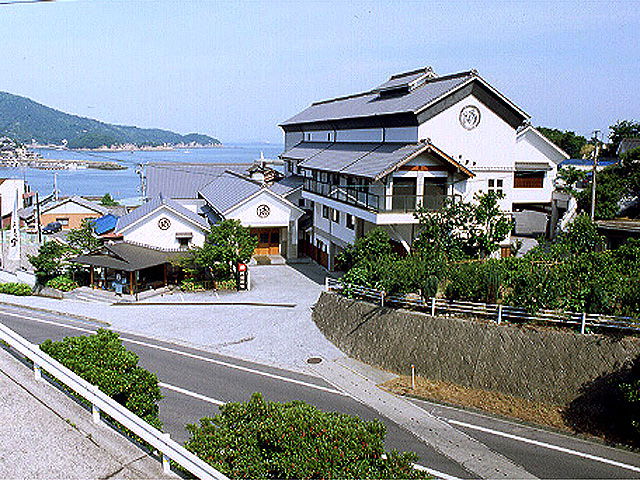
Tomonoura Bream's Township Aga Delicacies

"Bream Takumi no Sato" is built on a hill overlooking Tomonoura. At the experience corner, make "chikuwa" and bake fish surimi on bamboo and "algae salam senbe" hand-baked, and eggs, komichi, crepe, salmon, based on the popular jako sprinkle, you can "sprinkle experience" where you can prepare 12 kinds of ingredients such as tarako. 310 yen for each chikuwa, 510 yen for 5 pieces of senbe, and 720 yen for sprinkling. Take 30 minutes to 1 hour. 50 people accepted. More than 10 people need to book in advance by phone.

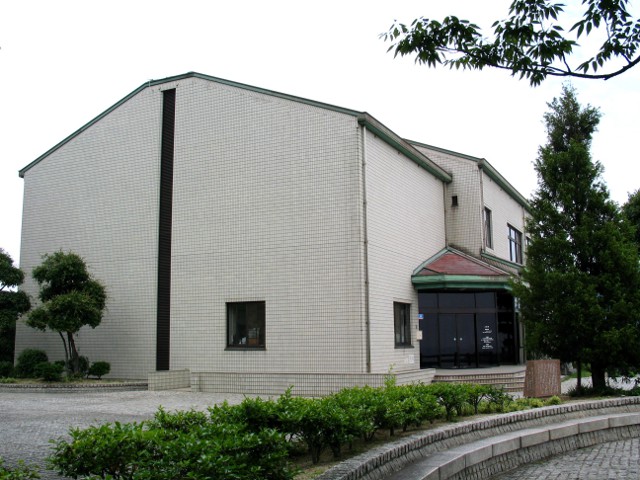
Tomonoura Historical Folklore Museum

It displays materials on the history and culture of Tomonoura, which once flourished as a port of waiting for tide and waiting for wind. You can also see the dioramas and fishing gear of sea-net fishing, as well as the koto and the remains of Michio Miyagi, who composed "Spring Sea" based on the image of the beauty of the Seto Inland Sea. About three times a year, they hold special planned exhibitions. Every year, the Hinamatsuri exhibition is held. It takes 30 minutes.

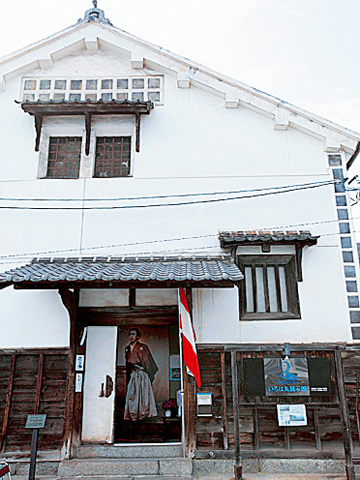
Iroha Maru Exhibition Hall

In the year of Gyeongsang 3 (1867) Iroha Maru, carrying Ryoma Sakamoto and Kaientai, collided and sank with a Kishu Domain warship off Tomonoura, and Ryūma and others stayed for a few days at the Kaifunaiya Masuya in Tomo. The Edo period kura is the exhibition house, which displays models of Iroha Maru, marble doorknobs and other deep-fried items. On the second floor, Ryoma's hideout is reproduced. It takes 30 minutes. National Register Tangible Cultural Property.

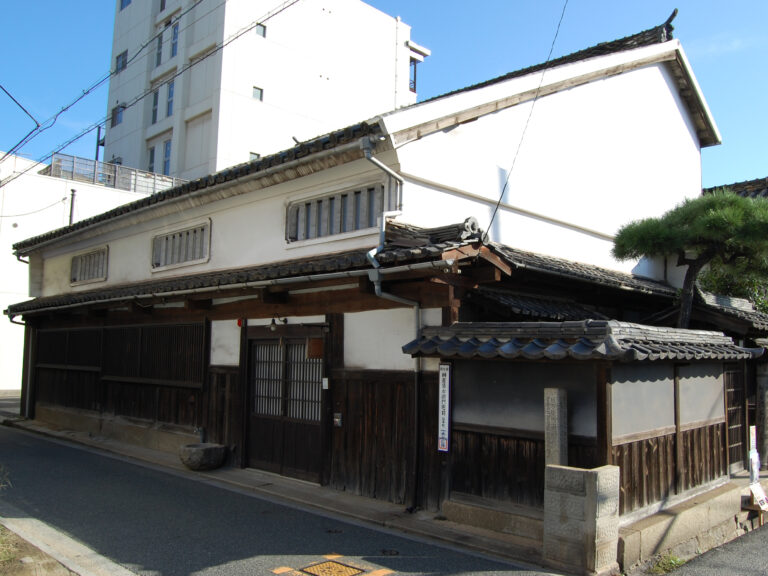
Shigebun, Ota Family House, Tomonichi Lord Ruins

In 1863, seven public families, including Sanjo Sanetomi, who was displaced from Kyoto by the Kobu Union, stopped at Tomonoura on their way to Choshu. They stayed at the Nakamura family of the former Homei liquor store. It consists of a two-story main house and seven storehouses, all of which have been designated as national important cultural treasures.

Ryoma's Hidden Room Masuya Seiemon House

Gyeongsang 3 (1867) Iroha Maru, carrying Ryoma Sakamoto and Kaientai, collided with a Kishu Domain warship off Tomonoura. After landing at Tomonoura, he is alleged to have stayed with Kaientai officers during negotiations for reparations for the ship. Ryoma reportedly slept in a hidden room on the second floor with no stairs, and he is prepared to take a look at the discourse without a crisis of assassination. Gallery shop is also attached.

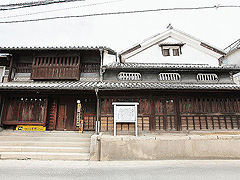
Tomonotsu's merchant house

The building, which combines the main house built in the late Edo period and the Tozo from the Meiji period, is designated as an Important Cultural Property of Fukuyama City. It is possible to see the shape of a typical Tomo merchant house, which continues between the shops, in the middle, and in the back, next to the street through the street. Published on Saturdays, Sundays and public holidays.

Contact Us: Business & Personal Inquiries

By proceeding, you agree to our Terms of Use And confirm you have read our Privacy Policy .

Notes

· We are available for inquiries 24 hours a day. Responses will be provided between 9:00 and 18:00 (including weekends, public holidays, and year-end/New Year holidays).
· Depending on the nature of your inquiry, it may take some time for us to respond.

RURUBU & ALL WAY JAPAN
Privacy Overview

This website uses cookies so that we can provide you with the best user experience possible. Cookie information is stored in your browser and performs functions such as recognising you when you return to our website and helping our team to understand which sections of the website you find most interesting and useful.