Archives: Travel Post

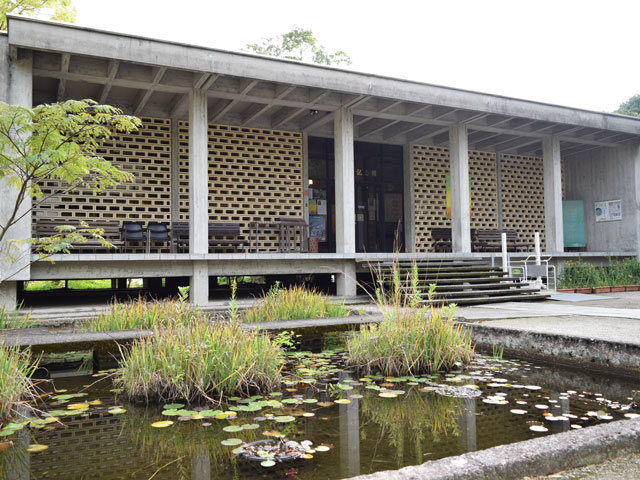
Basho-Okin Memorial Hall

The memorial hall was established as one of the businesses to honor Haisheng Basho-Okina. The interior displays the remains of Basho and his disciples, as well as literature, as well as materials related to the Renka and Haikao from the early modern period to the modern era.
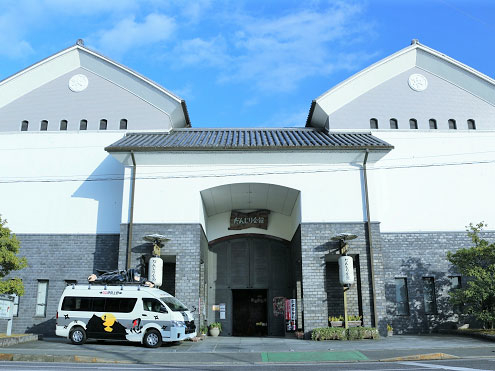
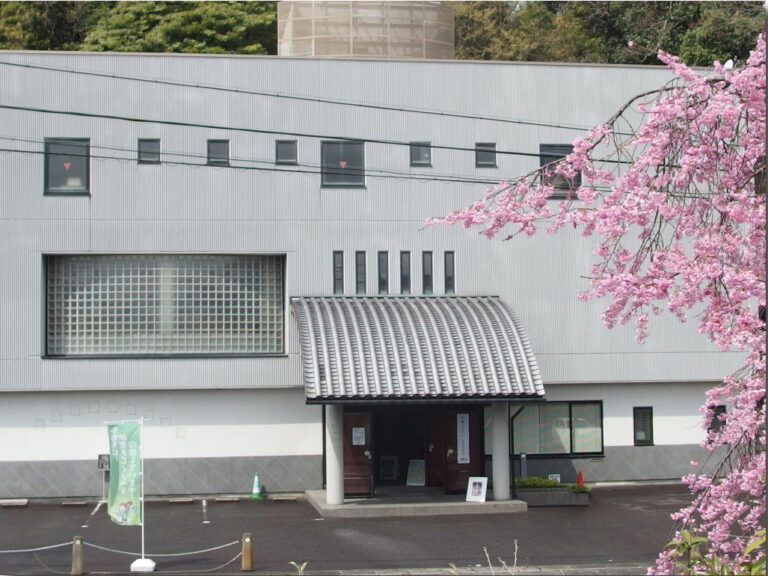
Danjiri Hall

Each year in October, the Ueno-Tenjin Festival (National Designated Important Intangible Folk Cultural Property), where the luxury tower car [danjiri] and the Oni procession work out through the town. Inside the hall, three tower cars and the way the demon procession kneads. On the curved screen, you can enjoy the nature of Iga Ueno, the nature of the four seasons, and the Ueno Tenjin Festival in a powerful high-definition video. The Danjiri event of the Ueno Tenjin Festival is UNESCO Intangible Cultural Heritage Site.

Iga-ryu Ninja Museum

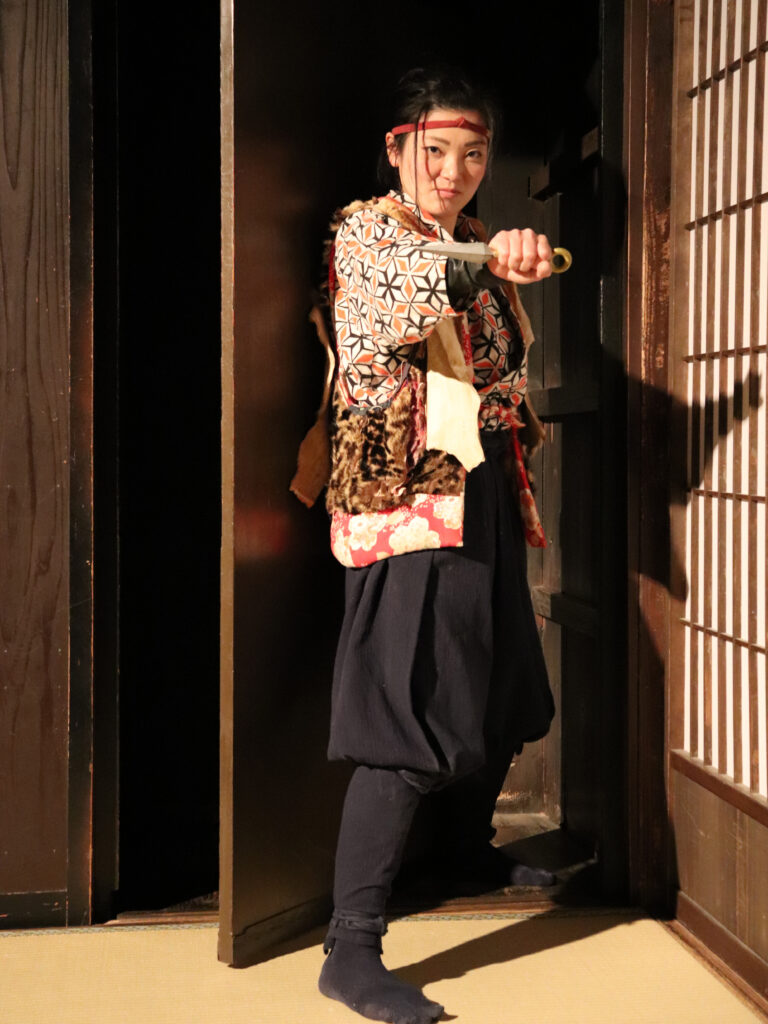
A museum in the birthplace of Iga-ryū Ninjutsu. It consists of three facilities: Ninja Mansion, Ninja Experience Hall, and Ninja Tradition Hall. You can tour a variety of karakuri at the Ninja Yashiki, where you have relocated a late Edo period farmhouse in the mountains of Iga and restored a traditional contraption. In the Ninja Experience Hall, you can learn the appearance of a surprising ninja through a wealth of materials and footage, and the experience of the hand-sword used by the ninja. Ninja Tradition introduces the art of Shinobi, which can also be applied to modern society. A powerful ninjutsu demonstration show (paid) using real weapons is also a must-see.

Iga Kumimoto Takumi no Sato

The traditional craft Iga Kumijō is on display and sale, with goods sales and personal experiences on the first floor, and materials rooms on the second floor, etc. The Kumijō experience allows you to create your own key chains and bracelets (1100 yen per time).

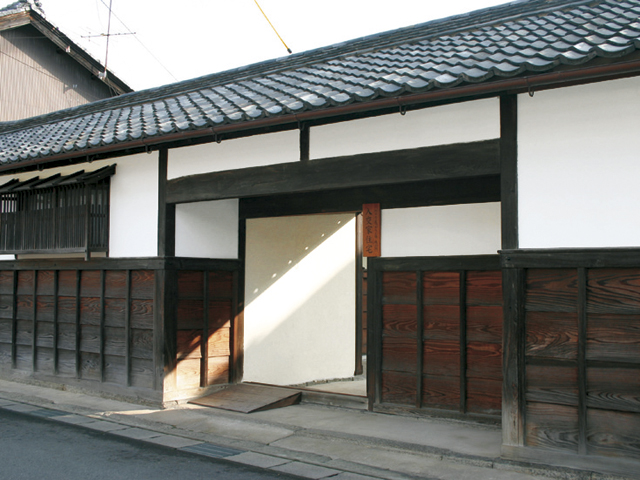
Samurai residence residence

It is a samurai residence where Kanpei Iriko, who served the Todo family, was enmeshed during the Kansei era (1789-1800), and its feature, the Nagayamen, is the only extant one in Mie Prefecture. In the exhibition room, there are explanatory panels and old documents of each building, as well as the pieces of Kanpei. A glimpse of the lifestyle of a middle-class samurai can be seen in the style of a mansion with a thatched-roofed main house and a waisted storehouse. Published as Mie Prefecture Designated Tangible Cultural Property since 2006.

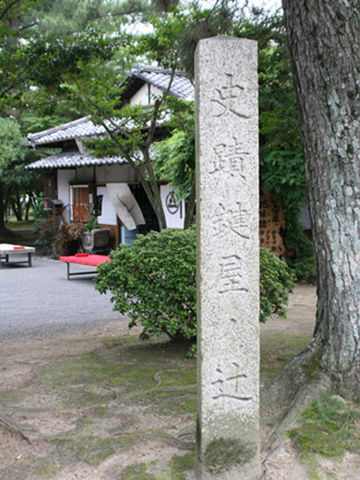
Tsuji Historic Site Park at a locksmith

The place that served as the setting for the famous "Ikagoshi Dōmō", a historical drama. The origin of the thing is that in Kanei 7 (1630), Gentau Watanabe of the Bizen-Okayama Domain was killed by a misery by Matagoro Kawai. Kazuma Watanabe [Kazuma], whose real brother was killed, obtained his brother-in-law Araki Mata Uemon's suketachi, and four years later, in the early morning of November 7, he took over the battle of death and then took over Mata Goroichi here to achieve a masterful rebirth.

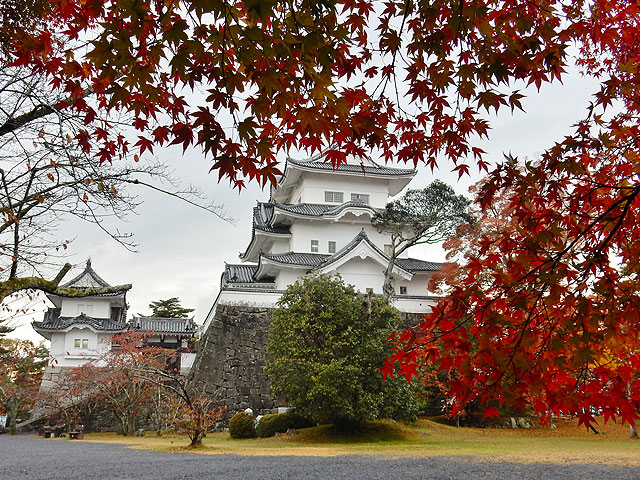
Iga Ueno Castle

In the year of Tensho 13 (1585), Tsutsui Sadaji built the castle. In Gyeongsang 13 (1608), a virtuoso of Tsukijo, Takatora Todo, who replaced Tsutsui and was transferred to Iga, underwent a major renovation, and built a stone wall on the west side, one of Japan's highest heights. The five-tiered castle tower collapsed due to a storm in Gyeongsang 17 (1612), shortly before its completion. The present-day Tengaku was constructed in 1935 by wooden construction and was designated by the Iga City Designated Cultural Property. Inside, a large number of materials such as armor and furnishings related to the Todo family, and drawings of famous people are exhibited. The castle site is designated as a national historic site.

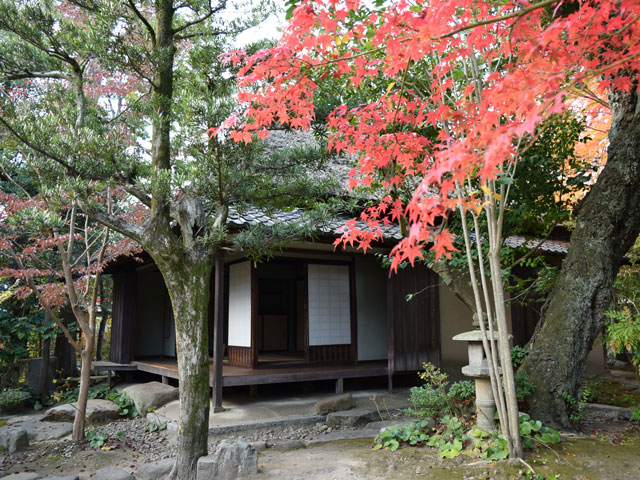
Minomushi-an

It is one of the Bashō Gohermitages and the only surviving hermitage, and is designated as a historical site of the Mie Prefecture Designated Cultural Property. It was named after the phrase "Minomushi no Kōyōkōno Kōno", which was given by Basho to celebrate the opening of the hermitage, "The sound of the minomushi is coming to hear." tsuyoshi wrote the Shoufeng Hai "Tripat" here.

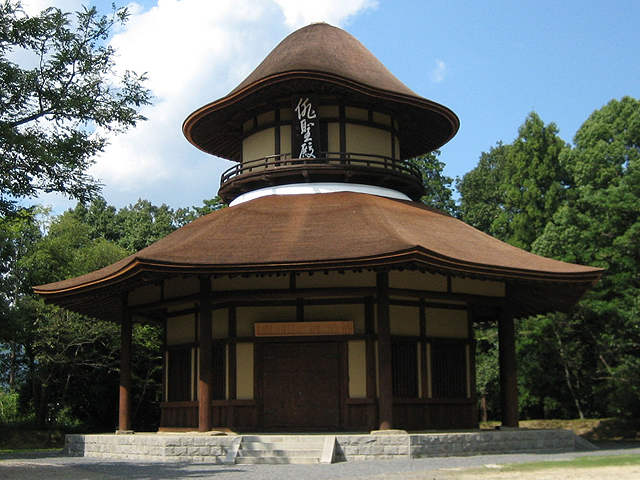
Hai Holy Hall

It was built in Ueno Park in 1942 to commemorate the 300 years of Basho's birth. The unique shape represents the trip of Basho Okina. It is said that the round roof is a shade, the octagonal eaves are a kesa, the pillars are the walking staff of Okina, who is on the line, and the forehead of Hai-sheng is an image of a face.

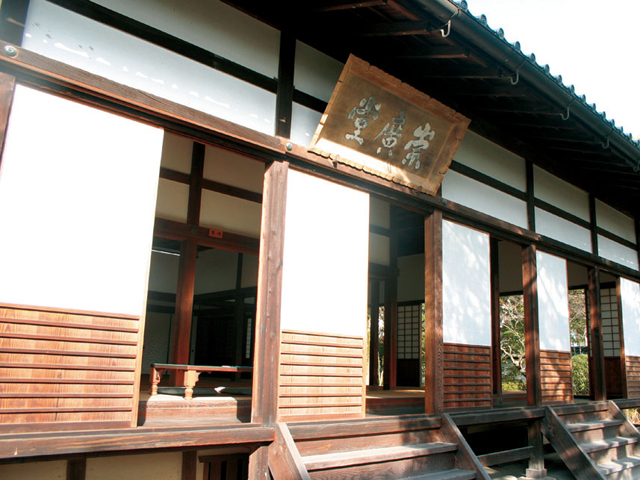
Historic Site Former Chongkang-do

In Bunsei 4 (1821), it was built by the tenth feudal lord, Todo Takazawa, as a branch school of Yuzokan [Yuzokan], a clan school in Tsu. The auditorium, the gōnarimon, the omemon, the Arisune dormitory [yūkōryo], the small entrance, and the kitchen wing are left behind. Among them, the auditorium, which boasts a size of 72 tatami mats, is a masterpiece.

Contact Us: Business & Personal Inquiries

By proceeding, you agree to our Terms of Use And confirm you have read our Privacy Policy .

Notes

· We are available for inquiries 24 hours a day. Responses will be provided between 9:00 and 18:00 (including weekends, public holidays, and year-end/New Year holidays).
· Depending on the nature of your inquiry, it may take some time for us to respond.