 English
  Japanese
  Chinese (China)
  Chinese (Taiwan)
  Korean
 Hot water on the dream road
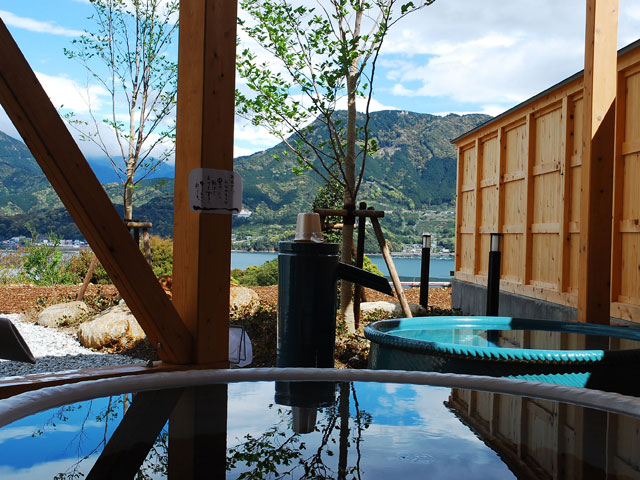
A bath of marine deep water, which is rare in the whole country. From the open-air bath, you can see the best view of the Tenkurayama and Owashi Bay, where the world heritage site Kumano Kodo Maetsu Pass passes.

A bath of marine deep water, which is rare in the whole country. From the open-air bath, you can see the best view of the Tenkurayama and Owashi Bay, where the world heritage site Kumano Kodo Maetsu Pass passes.
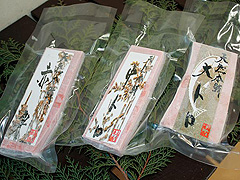
It is a marine wholesale company with six ocean tuna ships and one bonito ship, but a direct sales department has been set up with the idea of giving back to the local area. The center is the tuna and bonito, which are cheaper than the market price and have high quality with advanced refrigeration technology. Tuna is about 160 to 180g 2000 yen in medium toro. It also supports nationwide shipping. In addition, sashimi sales have also started, and it is very well received that even those who are not good at defrosting can eat it immediately.
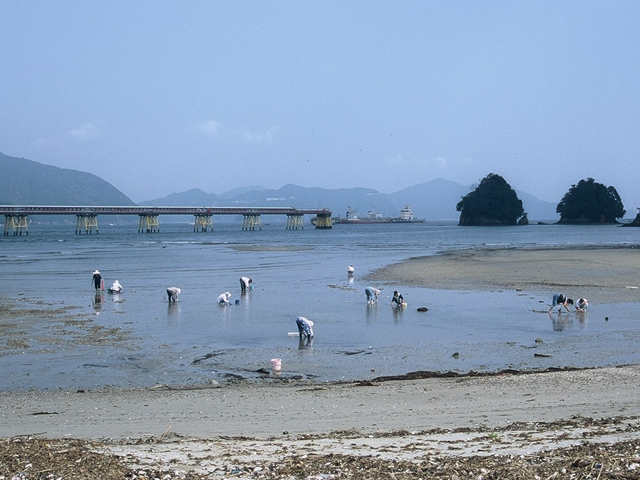
Black Beach, located south of Oshashuwan, used to be a beach where you can enjoy clamming, but in recent years you have not seen any shellfish. Keep your moral manners and enjoy playing the beach.
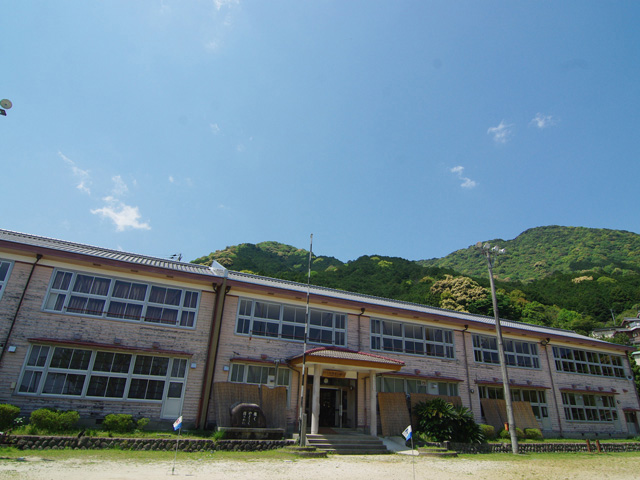
The wooden school building of the former elementary school, which had become a closed school in a small fishing village in Owari, southern Mie Prefecture, has been reborn as a salt-making facility. On weekdays, you can tour the work of salt making, and you can also purchase products on the spot. In the vicinity, you can enjoy fishing along the world heritage site of the Kumano Kodo and the Rias Coast, and it is surrounded by nature. It is a facility where you can learn about salt that you know and do not know.
A large number of natural, historical and cultural materials of the Kumano Kodo Iseji are displayed in the building, which was built with a tail-eagle cypress. Various experience classes are regularly held in the exchange building.
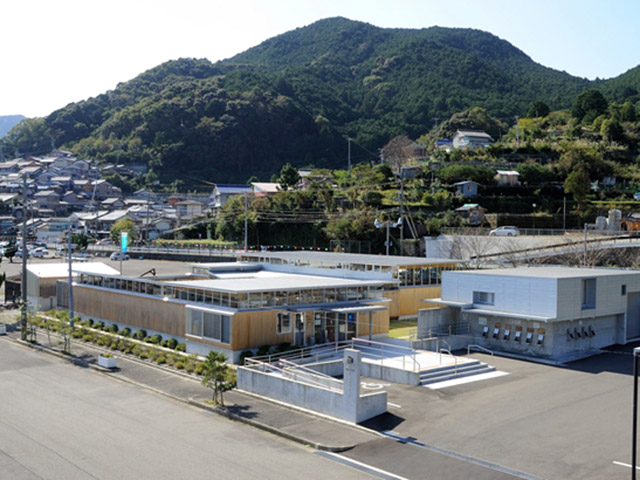
It supplies four types of deep ocean water pumped through a water intake pipe at a depth of 415m to 12.5km off the coast of Mikisaki, a tail-eagle city, and desalinated deep water. There is a healing space in the comprehensive exchange facility using the Japanese eagle cypress, so you can relax and relax, and buy deep-ocean water products such as drinking water and salt from plastic bottles. In addition, various experience classes using deep ocean water and a deep water festival are held every October. If you book, you can also visit the intake pit 15m underground and experience the taste of deep water.
An exhibition hall of dolls standing at the entrance of the Doi Bamboo Forest. Originally built in the first year of the Meiji era as a villa for the Doi family, it displays 2000 items, including dolls in the world's national costumes, which Yukiko Doi, the director of the building, has been collecting since she was a child. Take 30 minutes.
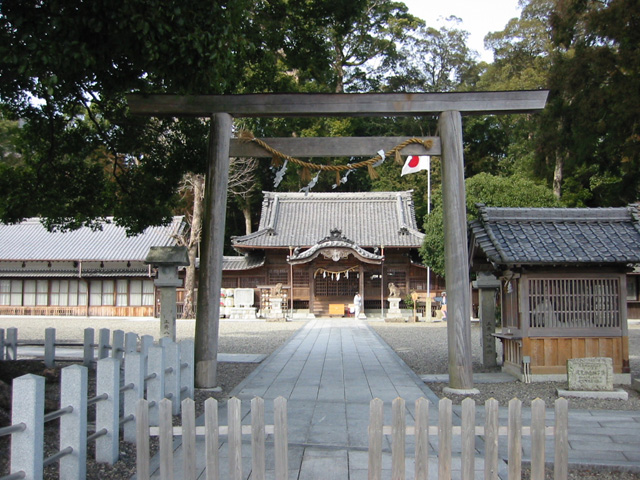
The venerable shrine of Odase Suiichi, with Susanoo's life [Susano no Omokoto] as the god of worship. There are worship halls, main halls, and gathering halls on the grounds. The two kunoki trees (also known as kumo-kusan) are 30m tall and 10m in circumference. It is said to be more than 1000 years old and is designated as a natural monument of the prefecture. Every year, the Yaya Festival, one of Japan's most unusual festivals, is held on February 1-5.
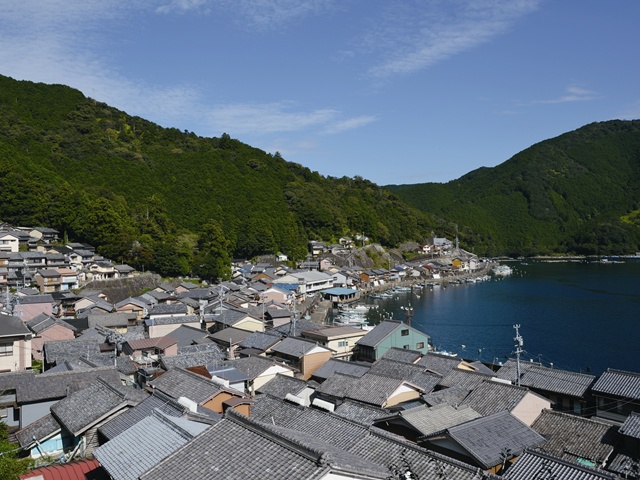
Sugari, who has a population of less than 300, was also selected for the Japanese village 100 race, and the landscape of an old-fashioned fishing village still remains. Fishermen tending their fishing gear, the sea breeze blowing in the alley. The Tiled roofs of the houses can be seen from the Poujai Temple on the hill. Let's visit such a rustic landscape.
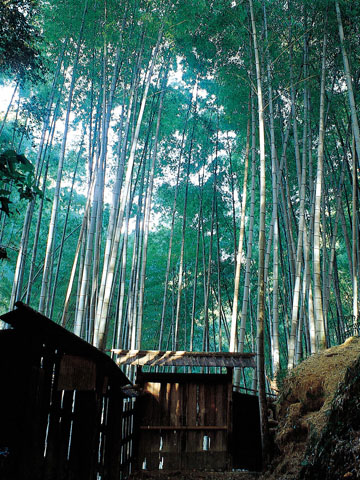
The tail-eagle millionaire, Hachiro Doi, who made his fortune in the mountain forest, transplanted Mosontake from Kagoshima about 250 years ago. A sheltered-nurtured bamboo forest. Beautiful bamboo as high as 15m grows on 4000 square m of grounds, some of which reach a diameter of 30cm.