 English
  Japanese
  Chinese (China)
  Chinese (Taiwan)
  Korean
 Hanna Dance
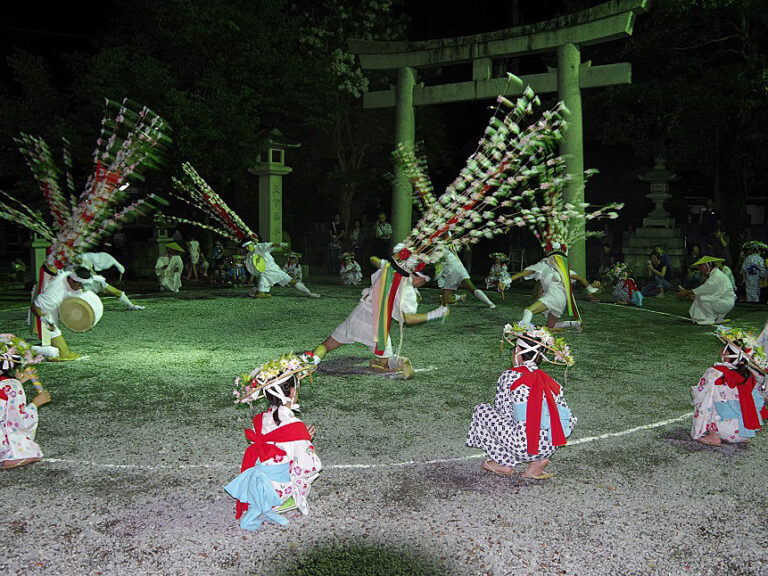
The sad-luck legend of a woman named Ohana is said to have become a rain-begging prayer dance, and a young man with a drum on his chest and a holo on his back dances with bravery.

The sad-luck legend of a woman named Ohana is said to have become a rain-begging prayer dance, and a young man with a drum on his chest and a holo on his back dances with bravery.
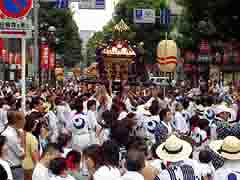
The biggest festival held every summer at Chiba Shrine, which is dedicated to the god of the Arctic star "Myomisama", which controls the fate of people. A large red-painted shrine cruises the city center on the 16th and 22nd. During the seven-day period, which is derived from the number of stars of the Big Dipper, it is reported that the wish will always be granted if one word is applied. On the night of the 22nd of the last day, the "Miyagi" and "Aiden Yume" are crowded with many people and night shops. Image courtesy Chiba Shrine
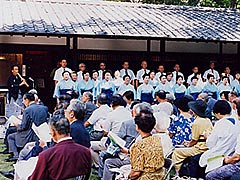
Komoro is a town that became a turning point from poetry to a novel by Bungo Shimazaki Fujimura; literary lovers and citizens gather at the Fujimura Memorial Hall every year on August 22, the anniversary of Fujimura's death, to dedicate flowers and songs to remembrance its virtues.
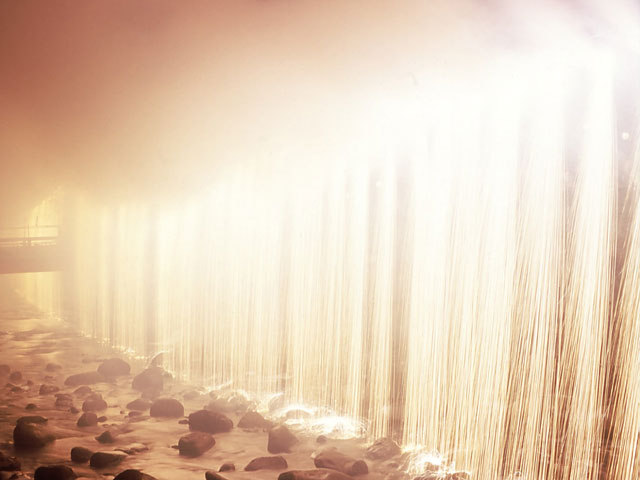
About 1000 fireworks are set off from Shuzenji Reizan. Niagara in the finale can be seen in close proximity. Image courtesy: Izu City Tourism Association Shuzenji Branch
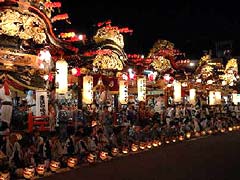
The festival is held at a grand scale to be dedicated to the festival of Koinari Shrine. Ten stalls are lit by lanterns, sculptures of lacquer and pure gold leaf are glittered up in the black and night, and the fiery sangko is unfolded through the night.
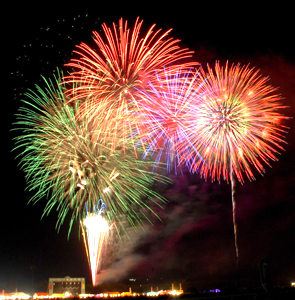
Reorganized into a fireworks display in Oshu from 2022. The "Oshu Mizusawa Fireworks Festival", which has been known as a summer style poem, has been renewed as the "Oshu Fireworks Festival", changing its time and location from the year of Reiwa 4. Each area in Oshu city is held on a rotating basis every year. A great pageant of light and sound, centered on oversized starmines and creative fireworks, fantagically colors the night of Oshu.
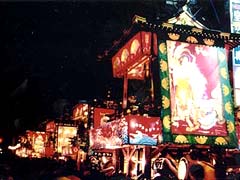
It follows the flow of the Kyoto Gion Festival, where the energetic and powerful inside is also pitiful, with a unique atmosphere. Five floats are towed around the city, and the festival climaxes when the five-car farewell takes place at midnight on the last day. Nomai Kagura will be performed at the Kagura Temple of the shrine on the night of the 18th to 20th.
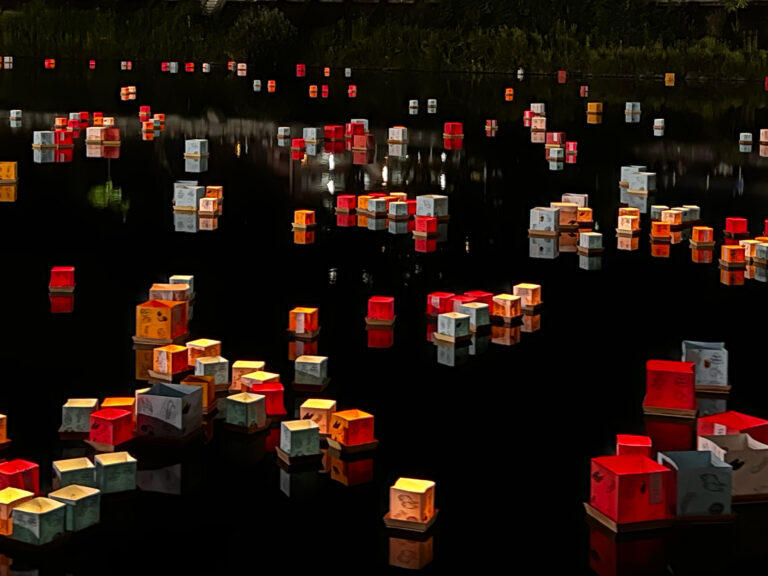
The Hirose River Heitsway, which originated during the Edo period for the donation of those who died of starvation. It resumed in 1990 after a brief interruption, and is now familiar to the community as "a wind poem that marks the end of summer." every year, about 2000 light candles are shed to the Hirose River by entrusting the wishes of ancestral donation. The launch fireworks, which had been canceled in 2023, will be revived in 2024, and a new "message to loved ones fireworks" will also be launched. Music by local artists on stage, and food and drink and goods booths are lined up in the fair corner. As for the details, the information is always updated on the official website. Image courtesy of the Hirosegawa Light Deflushing Executive Committee
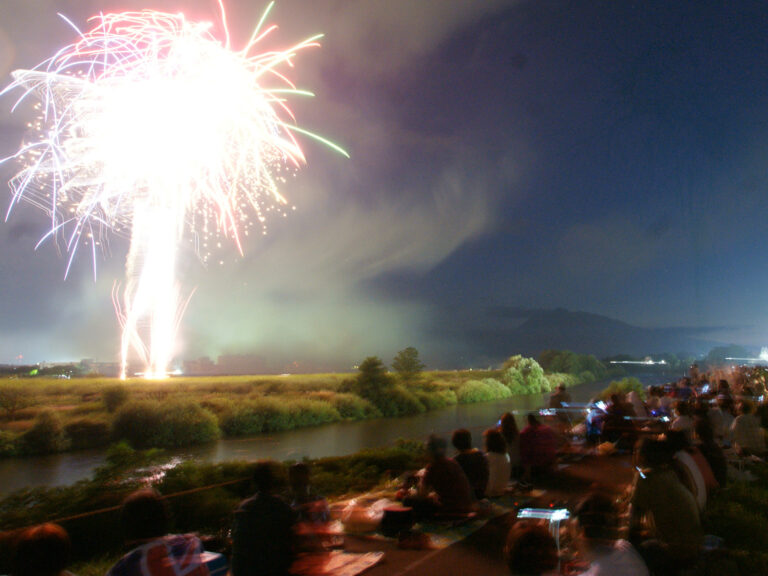
With Swan Fureai Square as the venue, as many as 5000 fireworks are set off after the fantastic lanterns, which are streamed with memories of the summer. The largest-scale fireworks display in Nakanan Tsugaru, where colorful large-scale flowers scorch the night sky of the Tsugaru Plain, and sentimental quaint lurks in the pomp.
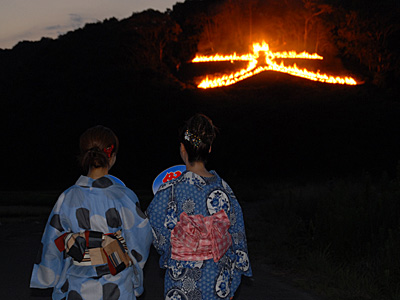
At a Bon event in the Mazaki district of Shimanto City, a wind poem that marks the end of summer to Nakamura, Small Kyoto. On July 16 in the lunar calendar, the trees on the side of Mt. It is said that the son of Ichijo Kyobo, Fusa, who escaped the rebellion of Onin and descended to Nakamura, fired a fire again in Kyoto to quell the spirits of his father and grandfather. Image courtesy: Shimanto City Tourism Association