 English
  Japanese
  Chinese (China)
  Chinese (Taiwan)
  Korean
 33rd YOSAKOI Soran Festival
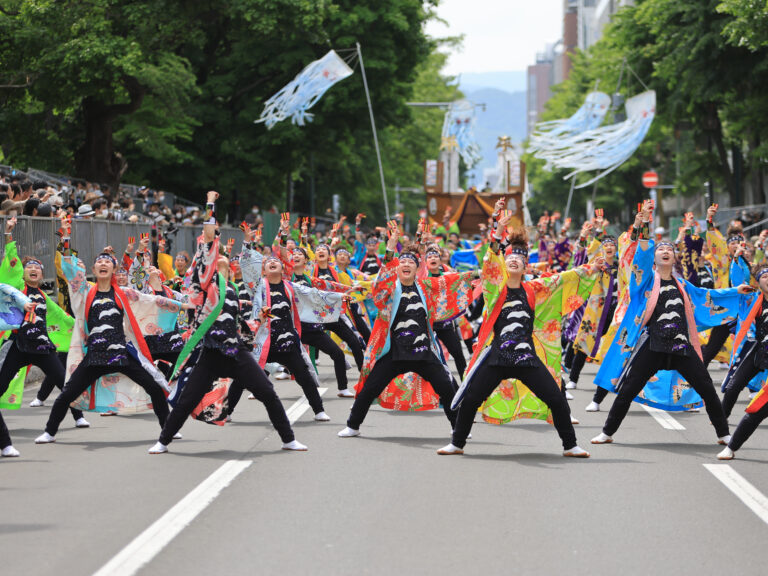
A festival that fuses Soran Festival and Kochi's yosakoi dance. Dancers sound clowns in novel costumes and perform dynamic dances. Using public transportation. Image courtesy: YOSAKOI Soran Festival Organizing Committee

A festival that fuses Soran Festival and Kochi's yosakoi dance. Dancers sound clowns in novel costumes and perform dynamic dances. Using public transportation. Image courtesy: YOSAKOI Soran Festival Organizing Committee
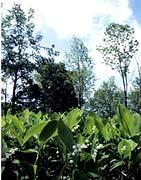
It restored the colony, which was temporarily in danger of extinction, over a period of 10 years. With an area of about 150,000 square meters and one of the largest in Japan, the wild sparrow is open to the public only during the flowering period, and you can enjoy the beautiful scenery. There is a rooted Suzuran present only on the first come-from-served basis. During the period, specialty products and Suzuran goods will be sold. In the year of Reiwa 6 (2024), the hometown tax payment window was opened on Saturday and Sunday only.
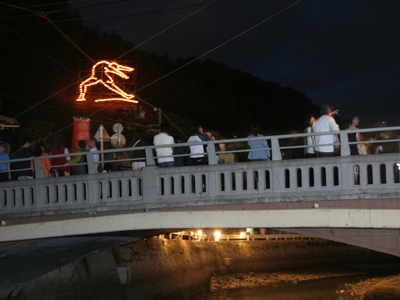
Traditional events transmitted to the Gimpo district, which originated from the Battle of Genpei; and divided into Minakata and Heike-kata, respectively, on Gyoshayama and Myoshamiyama, which face each other across the Yoshida River, and drew a picture pattern with lanterns to compete for superiority or inferiority.
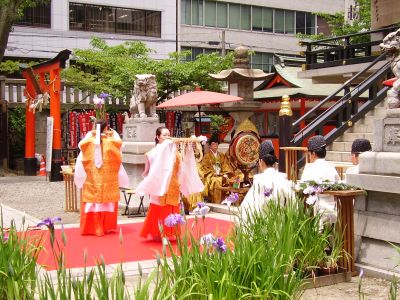
It is due to the fact that an old woman presented the blooming irises in Horie every year on May 5 of the lunar calendar, around the time that Namba Shrine was in a state from Uemoto-cho to her current location. At the festival, a kagura named Ayame is dedicated, and the cut irises are offered to the shrine. Due to this fact, Ayame became a company, and once an iris stand was added to the summer festival. In the old days, there was no strict distinction between Ayame and irises.
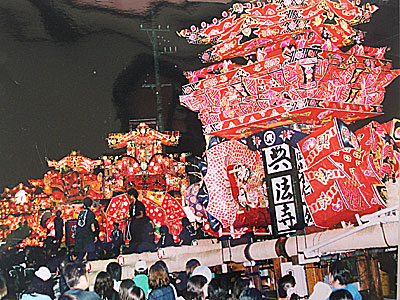
It is also referred to as the "Quirting Night High Festival" because the warriors of the warrior paintings violently collide with each other. On the 6th (Thursday), a small drum drum competition will be held from the night. Image courtesy: Tsuzawa Yotaka Light Conservation Society
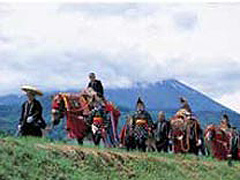
About 60 farm horses, dressed in vivid attire, mash about 14km on the road from Onikoshi Azen Shrine in Takizawa City to Morioka Hachiman Shrine in Morioka City. Image courtesy:(C) Morioka City Tourism Division
A festival in memory of Ono Komachi, a poet of Heian, where seven Komachi daughters selected from the city dress up in Ichimenakasa and revel and dedicate waka chants by Ono Komachi.
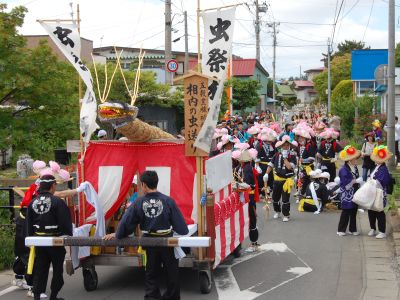
Traditional events in which Arama and Tachi-shiri bounces around the town with insect dolls in the lead, praying for the fertility of the five grains and the disease-free disaster. In Tsugaru, it is called Sanaburi, and is performed every year around the end of rice planting. It has a 450-year history and is said to be the prototype of insect feeding in the Tsugaru region. Image courtesy of Goshokawara City
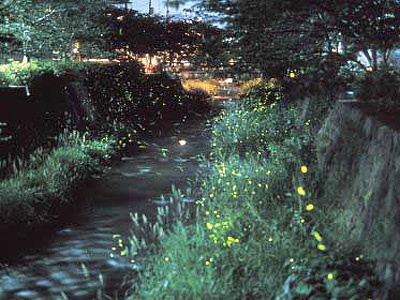
From late May to early June, you can enjoy the ravion of the country's natural monument, Gentoo. You can also walk around the town and walk around the shops that have been renovated from the surrounding townhouses. Image provided:(C) Yamaguchi City (Tourism Exchange Section)
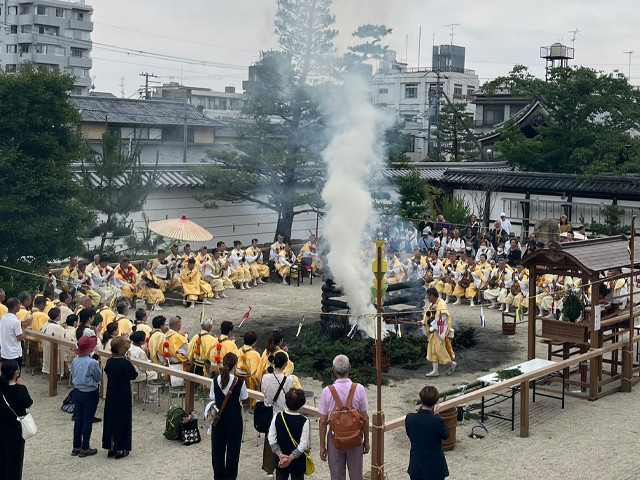
Sōjo of the Shōgun-in Temple, the official since his ascension on the 7th of June 1st year at the Minoenzan Tenzamigatake, has designated this day as the holy day of the Sōmon. A tea ceremony by the tea ceremony Hayasui Igen and the Law of the Hoha Confessor were held in remembrance of the virtues of the Gao-so actors. To be strictly repaired from 15 o'clock, the ceremony is performed by the priest, Sanshōin, and the priest, Sanfushi, who can also attend the public. Homa trees are also accepted on the day, and wishes can be offered.