Archives: Travel Post

SOPRA ACQUA

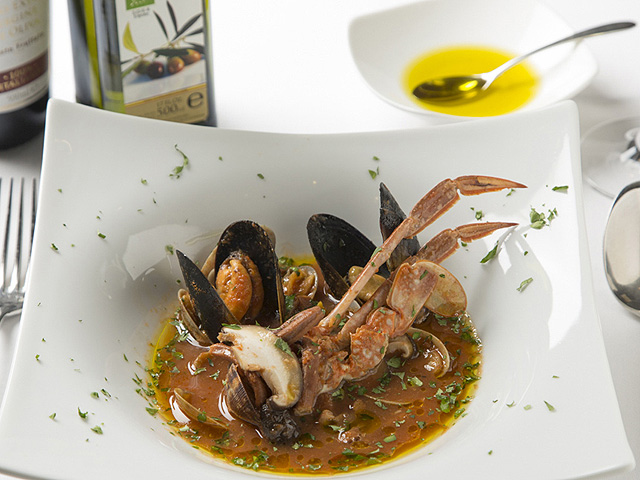
Italian using Hokkaido ingredients in a la carte and courses. Owner-chef Shota Mizukami trained mainly in Northern Italy and won the first prize in the ICIF-sponsored "International Olive Oil Cooking Contest in Japan" in 2008. The interior with the motif of Italian ancient ruins is arranged in a calm atmosphere. Seasonal vegetables are ordered from a contract farmer in Hokkaido, and the ingredients are used to make Italian. Hand-made pasta using Hokkaido flour is an exquisite product. A special course is popular, where you can turn different olive oil into the dish yourself and enjoy the change of aroma, taste.

Kagurazaka Studione

An Italian restaurant at Kagurazaka Hide and Seek Yokocho. On the main floor of the open kitchen, an all-weather sofa-seated terrace lounge that looks at the city of Kagurazaka, you can enjoy delicate and elegant Italian cuisine that makes use of seasonal materials from all seasons. The Neapolitan pizza, which is baked in a wood-fired kiln by Pizzaiolo, a specialist pizza, has a very sticky feeling and a good smell of firewood. Using only flour, salt, natural water, and yeast, they are aged in a special dough box over a full day or more, and the dough is made by artisans following the techniques of tradition. There are always more than 100 types of wine in the cellar.

Enoteca Frutteria Studione Frutti Ficale

It features Italian that you can enjoy with the five senses using seasonal fruits for all dishes, and you can enjoy a fresh and exquisite fusion of seasonal fruits and authentic Italian dishes such as vegetable & fruit pickles, snow crab & grapefruit pasta in a monthly course.

Lugdunum Bouchon Lyonnais

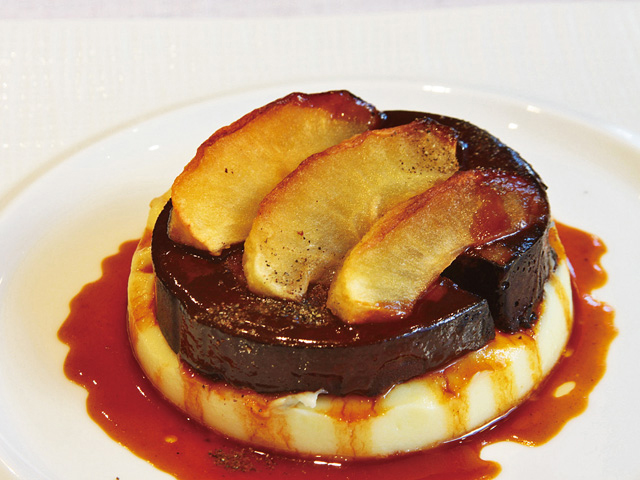
You can taste the real taste by Christophe Poco, a native of Lyon. Nine years in a row, one-Michelin-starred French restaurant with a modern style of sophistication, while preserving the tradition of Lyon cuisine. Boudin Noir, a sausage made from the classic pork blood and back fat, adds heavy cream and then cuts the habit and smell to a smooth texture. The garnish is potato puree and caramelized apple sautéed. The average dinner budget is around 10,000 yen.

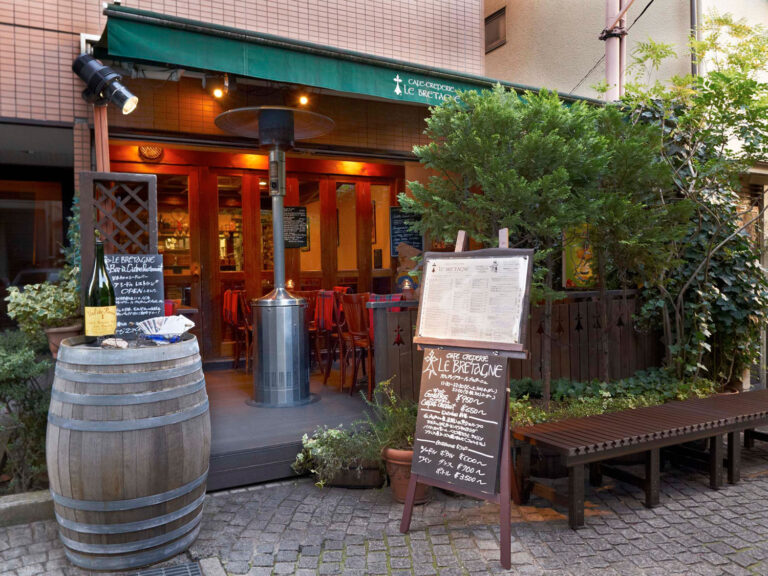
Le Brittany Kagurazaka

Specialized in Japan's first buckwheat crepe "Galette". The Galette is a classic and creative specialty with two menus of more than 20 types. There is also a traditional Brittany apple, "Cidor", and you can enjoy Brittany's traditional cuisine.

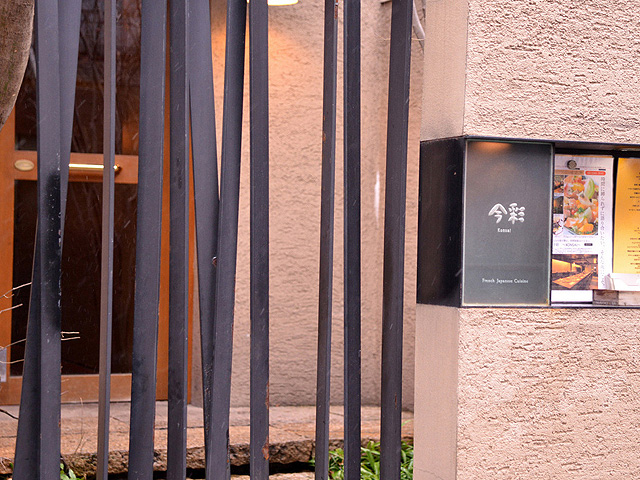
Now Aya

Despite being located immediately from Kagurazaka Station, its appearance is like a retreat. The inside of the shop, where indirect lighting is pleasant, is a fine adult space based on the concept of Japanese modern. The ingredients are only seasonal and deliciously reassuring ingredients, including healthy local vegetables from the contracted farmers in Saitama and Chiba. In order to offer a new type of Japanese cuisine that combines French and Japanese food, ingredients are also purchased from foreign countries. "I want to enjoy the cuisine of Kazuo Kumagai, the director of the cuisine, who says," I want to use a variety of ingredients as a dish that feels fresh and playful, using new techniques that are true to the basics."

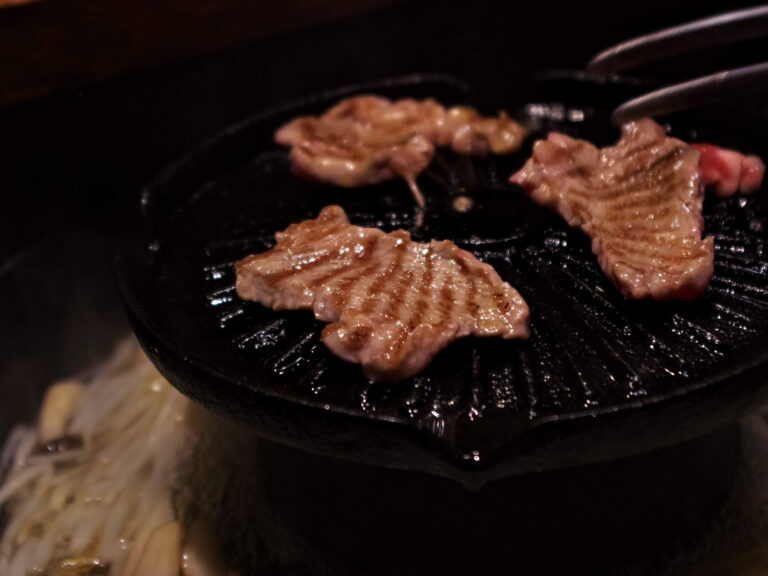
Sheep Lod

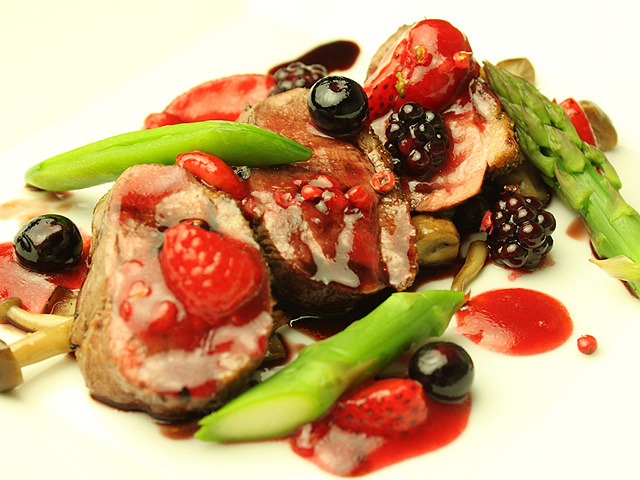
A restaurant specializing in lamb meat dishes in Takadaba, Tokyo. Unlike the traditional Genghis skan pan, it uses a special pan with a yakiniku space in the center and a shabu-shabu space on the outer periphery. Genghis Khan and lamb shabu can be enjoyed in one pot at the same time. The interior of the store has an interior that is not decorated with wood, and country music flows, creating an atmosphere like a mountain hut.

Japanese Cuisine Tonan

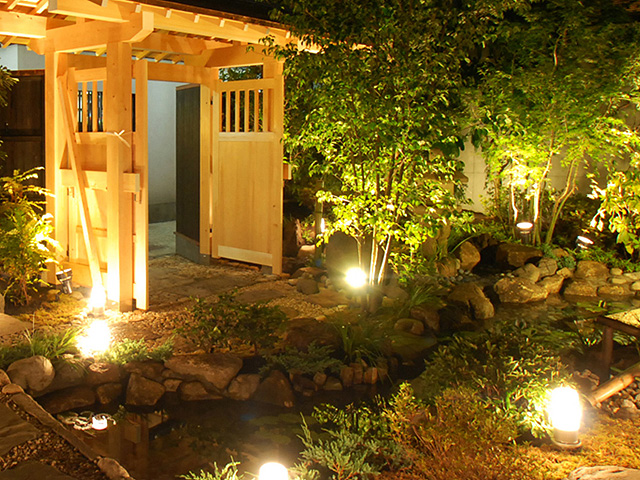
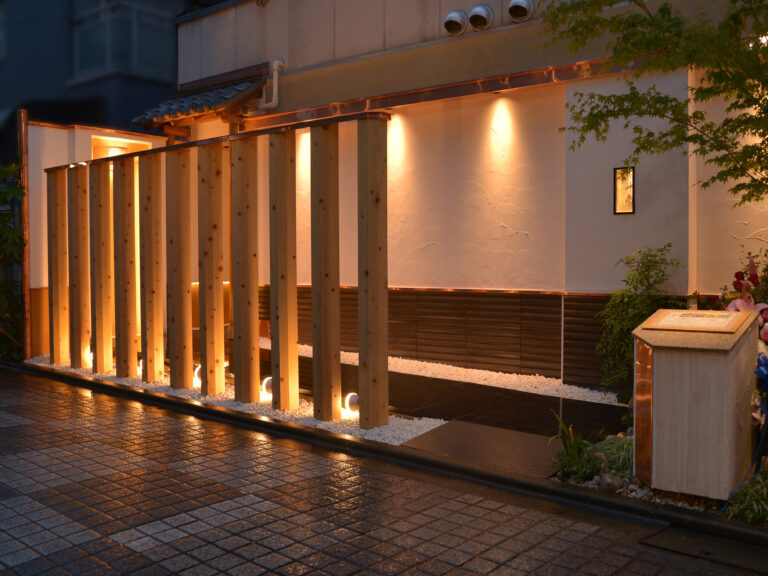
A store that expresses the taste of the season, which is often forgotten in modern times, and the taste of the local area, which was acted by the visitors who visited the area in various parts of Japan, as a new Japanese food with modern methods and sensibilities. The interior of the store, which combines Japanese love and modern images, is decorated with the theme of "breathing soil" by plastermaker Makoto Yoshimura. The elegant clay walls, finished with white stucco, and the drawings by the up-and-coming calligrapher Suito Nakatsuka, as well as the shoji doors of Joshi Traditional are beautiful. The one-sheet counter seat, which makes you feel the sparkle of Shiraki, is a recommended place where you can see the good work of the Itamae. The dishes to be served are those that were prepared for kaiseki by their masters, who examined such items as famous products from various parts of Japan, freshly prepared organic vegetables from farmers, and fresh seafood, which can be reached while being washed down in a fishing port. He is also particular about the vessel, and uses the works of Kameya Shōyō in Shimane, as well as the delicate plates and sake bowls of Hirota Glass in Tokyo, to make the items look delicious. In addition, while keeping an emphasis on quality, at that time, he ordered "seasonal" sake from time to time, and offered it in consideration of better combination with dishes.

Directed by M.Kurisu

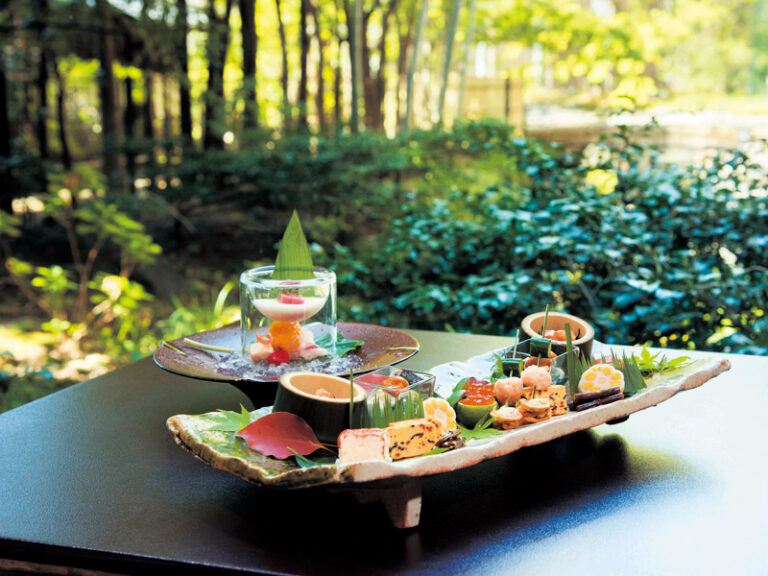
Tradition and skill to be handed down, and one moment to be made with a sense of sincerity; Kyoto cuisine with an elaborate style of the four seasons, created by traditions and techniques handed down since its inception in 1928; hospitality with sincerity, an important moment.

Contact Us: Business & Personal Inquiries

By proceeding, you agree to our Terms of Use And confirm you have read our Privacy Policy .

Notes

· We are available for inquiries 24 hours a day. Responses will be provided between 9:00 and 18:00 (including weekends, public holidays, and year-end/New Year holidays).
· Depending on the nature of your inquiry, it may take some time for us to respond.

RURUBU & ALL WAY JAPAN
Privacy Overview

This website uses cookies so that we can provide you with the best user experience possible. Cookie information is stored in your browser and performs functions such as recognising you when you return to our website and helping our team to understand which sections of the website you find most interesting and useful.