Archives: Travel Post

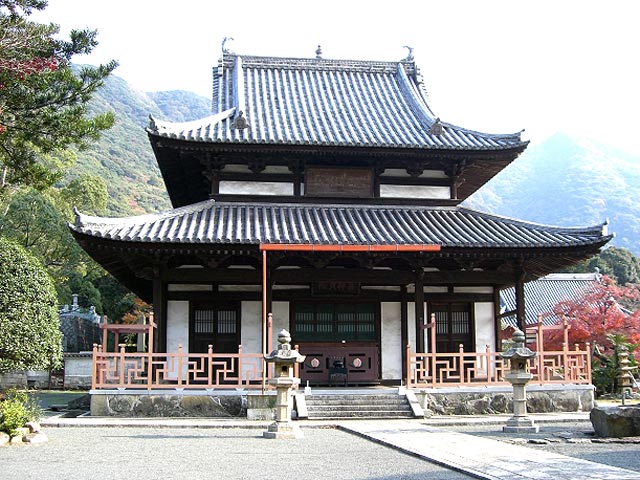
Fukuju Temple

The temple of Obaku sect in a corner of Adachi Forest Park. The feudal lord, Tadamasa Ogasawara, was erected in Kanbun 5 (1665). It was later vanished by military fire and fire of Chōshū Cavalry at the end of the Tokugawa period. The main hall was rebuilt in Kyoho 2 (1717). Kaesando and others were built after the Meiji era. There is a garden behind the main hall, and the Sesshu Garden, which has natural stones in a borrowed view of Mount Ashitate, is a must. Please note that some of the precincts in the direction of the back mountain are unwatchable.

Gozenyu

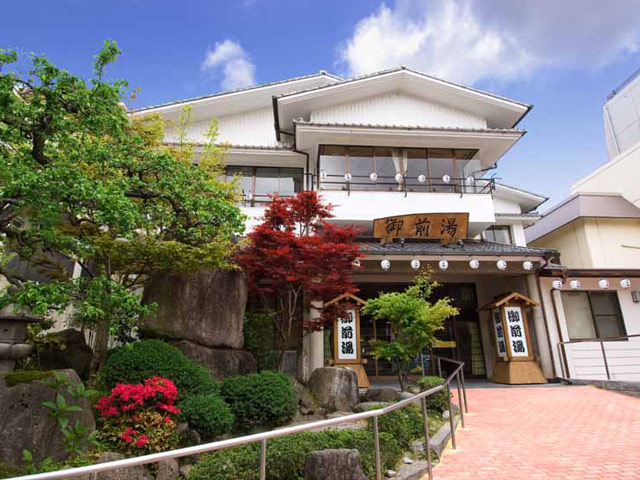
One of the communal bathhouses located in the venerable Futsukaichi Onsen, which is said by the Kuroda Domain in the Edo period to have an onsen magistrate. It is a day-trip bathing facility created as a place of communication for citizens under the official name of Ozen-yu, Musashito-ku, Chikushi-shi. The first floor is a bathhouse where there is a bubble and a whirlpool, and the rest room on the second floor is charged. It operates under the motto of clean and safe hot spring facilities.

Francfranc BAZAR

We offer good quality and reasonable furniture and miscellaneous items every time we use them. We also offer a great selection of items for those who start a new life, such as tableware and bath goods.

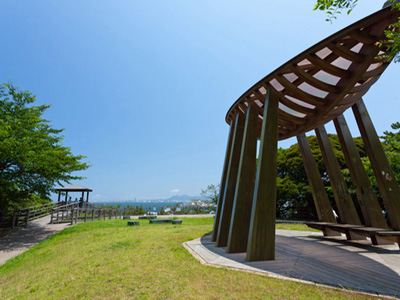
West Park

It is a park on a hilly area in Fukuoka, Japan, and was opened in Meiji 14 (1881). It became the west park in 1900. With an athletic center centered on Lawn Square, a children's corner with a slide, and an observation deck overlooking Hakata Bay, the site is a place for recreation in the prefecture. The surrounding area is also known as a famous place of Sakura, and was also selected as "100 Sakura Famous Places". Near the entrance to the park stands a tucked-in shrine dedicated to the Fukuoka feudal lord, Kuroda Nagamasa. It is not possible to enter the large bus (12m). During the Hanami period, vehicles in the park cannot be entered, and parking lots are not available.

Myoraku Temple

The official name is "Ishikiyama Myorakuzenji". Many temples and shrines are located in the old part of Hakata, where many Buddhist temples remain. It used to be located in Hakata-Kitahama, serving as a diplomatic envoy between Yuan, Ming and Joseon as well as an inn for Japanese who went to foreign countries and those who came to Japan. It is also known as the location of the "Uirō" tradition. During the Warring States period, he was repeatedly subjected to war, but moved to his present location in the early part of the Edo period. Also sleeping in the grave are merchants representing medieval Hakata, such as Kamiya Sōtan (Kamiya Sōtan) and Ito Kozaemon (Ito Kozaemon). We also do zazen experience (appointment required).

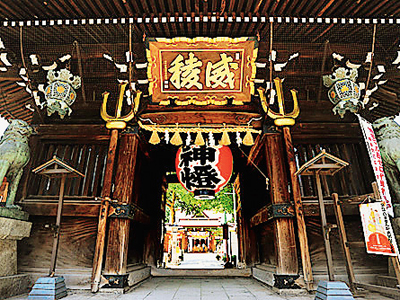
Kushida Shrine

Sojen-mori in the city of Hakata, which is familiar with the nickname of "Okushita-san". It is said that Soken began with the first year of Tenpō Hōji (757), when he invited the Ōhata lord Ōkami from Kushida-miya in Ise-Matsusaka. It is a shrine where the Hakata Gion Yamakasa in July and the Hakata Okunchi in October, which is familiar as Hakata's summer wind poem, are dedicated, and in the precincts, the Hakata Gion Yamakasa's decorative Yamakasa is displayed except in June.

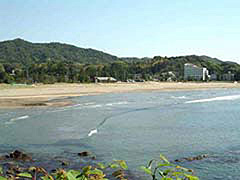
Shirahama Beach

A beach with gentle waves and a distance of water. Parasols and other rentals are also being carried out.

Roaring Falls

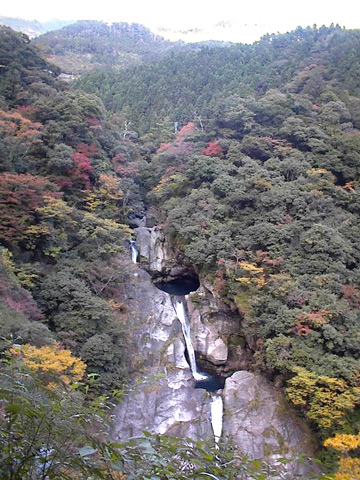
A triple waterfall with a head of 82m on the upper reaches of the Hibihara River, a tributary of the Monobe River. The top waterhole is a pothole with a diameter of about 15m, and the surrounding area is known as a beautiful scenic spot with cherry blossoms in spring and deep greens in summer and autumn foliage in autumn. Prefectural Natural Monument, Meishatsu. It was also selected for "Hyakusei of Japan" and "Eighty-eight views of Shikoku". The story of the Heike legend is also transmitted, which is related to Princess Tamao.

Katsura Beach

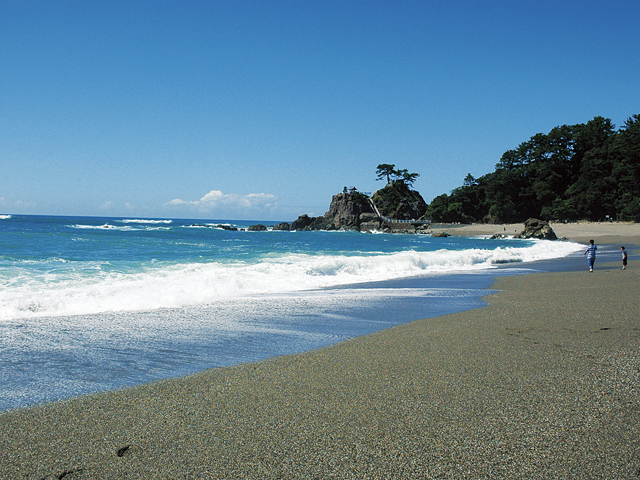
It is known as a famous spot of the moon on the beach of Shirasuna Aomatsu on Tosa Bay. The moon party is held on the night of the famous moon in mid-autumn every year. The Omachi Keitsuki Monument stands around the area, which is good for a walk.

Wa Rei Shrine

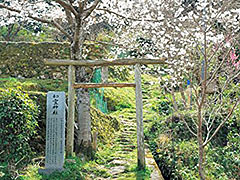
Fumihisa 2 (1862) It is reported that Ryōma, who had established his determination to escape the clan, prayed for Taken Nagehisa by using this Wa-rei shrine under the name of Hanami of Yoshino, and prayed for the Taken-han festival is held in late March every year.

Contact Us: Business & Personal Inquiries

By proceeding, you agree to our Terms of Use And confirm you have read our Privacy Policy .

Notes

· We are available for inquiries 24 hours a day. Responses will be provided between 9:00 and 18:00 (including weekends, public holidays, and year-end/New Year holidays).
· Depending on the nature of your inquiry, it may take some time for us to respond.

RURUBU & ALL WAY JAPAN
Privacy Overview

This website uses cookies so that we can provide you with the best user experience possible. Cookie information is stored in your browser and performs functions such as recognising you when you return to our website and helping our team to understand which sections of the website you find most interesting and useful.