Archives: Travel Post

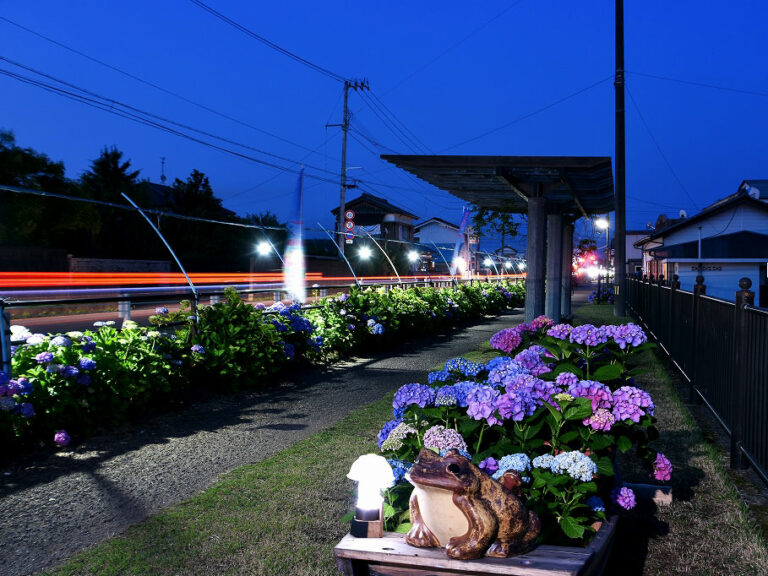
Hydrangea Road

Planted 10,000 hydrangeas for about 5km along a waterway that extends over the countryside. Light purple flowers bloom from late May to early June. Also in the neighborhood is the Rokujo Hachiman-miya, also known as the "Hydrangea Shrine", where the hydrangea, which was eagerly cared for by his children, and the red seal with the hydrangea is also popular.
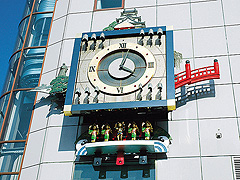
Karakuri Clock

Every hour, the mini-dance team shows off yosakoi. When it's time, along with the melody of the Yosakoi Naruko dance, Kochi Castle and Odoriko appear slowly on the top and bottom of the clock, Ryoma and Katsura Beach on the left and right, and Harimaya Bridge. It is lit up at night, and also in a different atmosphere.

Iwaya Temple

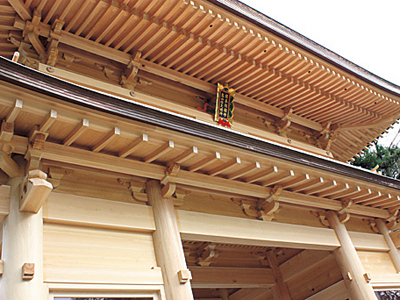
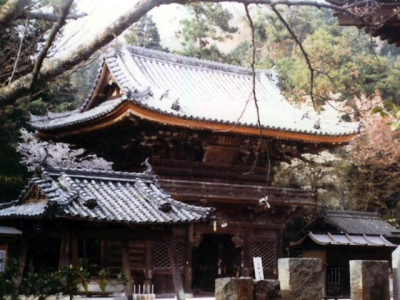
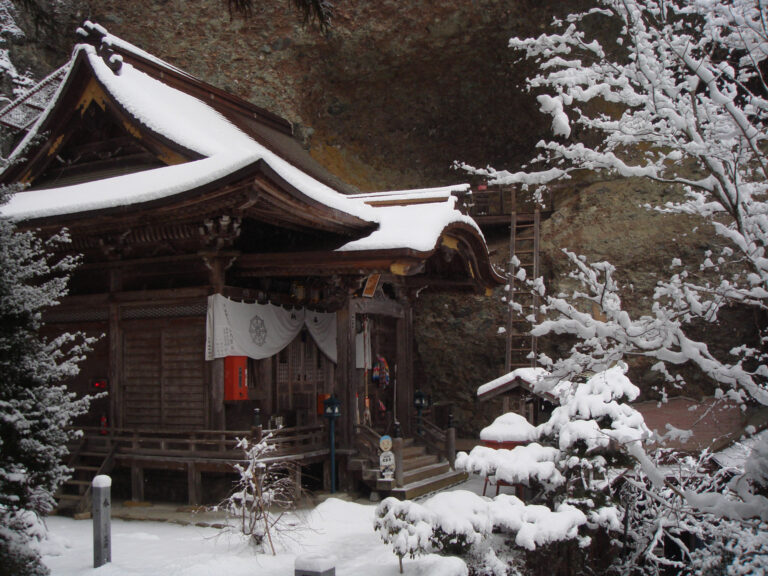
The 45th dasho of the Shikoku Reiba, which is transmitted to the Jianjian of the 6th year of Hongjin (815). The temple stands on a small site on the middle of Iwamine. The Iwamine group (Meishatsu), which rises to cover the precinct, is as high as 120m, and has a mysterious atmosphere, along with the main hall and the Daishido (Important Cultural Property), which stand directly below. On the right hand of the stone steps up to the main hall is Anazenjo, where the reisen springs, and in the back-in, there is Sakowari Zenjo, where the Hiroho Daishi performed the training. The former Pilgrimage Road (a country-designated historic site), about 4km from Koiwaya, also continues.

White Waterfall Park

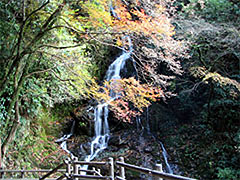
The park, which is located 6km upstream from the mouth of the Hijikawa River and features a beautiful landscape of autumn leaves and waterfalls, which was praised by poet Ejijo Noguchi for "Autumn Shirataki, tree and tree maple, and cotton curtains on the mountain." A number of waterfalls can be seen when walking along the walking path.

Oyama Gion Shrine

3 years old (719), and Iyoichi no Miyami, who is considered to be a good seat by Iyo's royal family, Ochi Tamazumi. He gathered the faith of the Imperial Court and the samurai as the god of the mountains, the sea and the warrior, and now the main shrine and the shrine of the shrine and the shrine of the shrine of Oei 34 (1427) remain, and is surrounded by the natural monument, the primeval forest of Kusunoki. 8 national treasures and a large number of important cultural treasures.

The moon

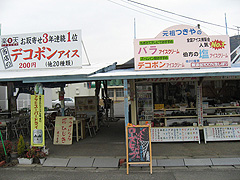
We started rosehip soft ice cream with new collagen. It is organic and has an elegant acidity and aftertaste. It is characterized by its refreshing quality. There is a main store on Yukimoto-dori, Yoshiumi-cho.

Oshima

The western gateway of the Geiyo Islands, located 4km above the sea in Imabari and connected with the Imabari by the Kimajima Strait Bridge of the trifecta suspension bridge. The Yoshiumi area is home to the largest Bara Park in Shikoku and the Koeoyama Observation Park, which overlooks the Seto Inland Sea. The Miyakubo district is the birthplace of the Ōshima stone and is related to the Murakami Pirate.

Kokubunji Temple

It is one of the Kokubunji temples erected in various parts of the country by the royal envoys of Emperor Shōmu in the year of Tenpyo 13 (741), and is located at the 59th place of the Shikoku Reiba. The main temple and the Daishido stand against the backdrop of Mount Karakoyama, and the Shōin house displays such as the three volumes of the Kokubunji documents of the temple treasure. About 100m east of the main hall is the site of the Kokubunji Pagoda (historic site), and 13 foundation stones remain on the base pit, which is about 1.2m high and about 100 sq m in size.

Taishan Temple

The 52nd place. It was reported that Soken was the second year of Yomei (586), and the main hall (national treasure) was built in the third year of Jia Yuan (1305) by the erection of Irimoya Building. Honson is the secret Buddha of the patergo book once every 50 years. 2014 (2014) hit the book. The Nioh Gate and the wooden eleven-faced Guanyin statue are important cultural treasures.

Jodo Temple

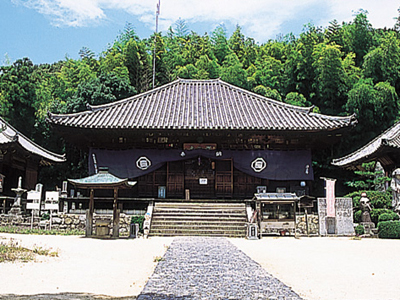
No. 49 of Shikoku Reiba Eighty-eight places. It is reported that in the Jianjian of the Tenpyo Year (729-749), Kōya Jōjin stayed in the Tende Year (957-961). The main temple and the wooden kōya gōjin statue (not to be seen) are nationally designated important cultural objects. The main temple is an eclectic building of Wazama and Tang-sama, which is an important cultural property of the country. About 3km south of Jodo-ji is the Sairin-ji Temple of the 48th Udasho, which was founded in Tenpyo 13 (741). In addition, going north on Prefectural Road No. 40 from Jodo-ji Temple, there is also the 50th place of Shigeta-ji Temple.

Contact Us: Business & Personal Inquiries

By proceeding, you agree to our Terms of Use And confirm you have read our Privacy Policy .

Notes

· We are available for inquiries 24 hours a day. Responses will be provided between 9:00 and 18:00 (including weekends, public holidays, and year-end/New Year holidays).
· Depending on the nature of your inquiry, it may take some time for us to respond.

RURUBU & ALL WAY JAPAN
Privacy Overview

This website uses cookies so that we can provide you with the best user experience possible. Cookie information is stored in your browser and performs functions such as recognising you when you return to our website and helping our team to understand which sections of the website you find most interesting and useful.