Archives: Travel Post

Heido-ji Temple

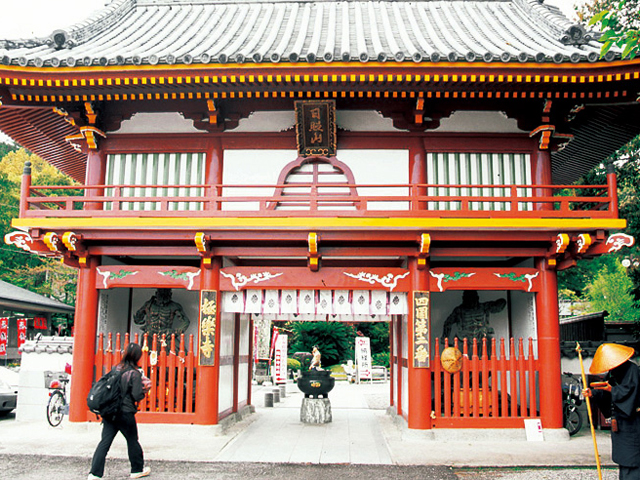
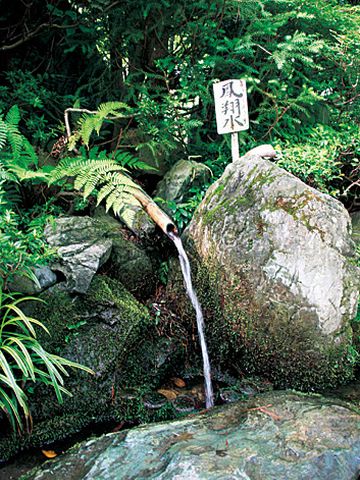
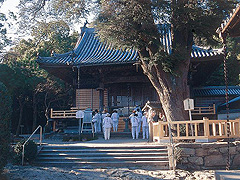
In Enryaku 11 (792), Yakushi Nyorai appears when Hiroho Daishi is praying for evil, and when digging with a cane in search of water for kamochi, milky white water rises, purifying the body with the spirit water, and it is said that the statue of Yakushi Nyorai was engraved and laid down as the main statue. The temple was attached with the hope that the people would be rescued equally by this water. The well on the left hand of the main hall is revered as "Kobo no Water" which is effective against all diseases. In addition, wooden cars dedicated by worshippers who have been exuded to the good legs and have been given a good profit are arranged in the main hall. Above the head inside the main hall, the ceiling paintings depicting the flowers are stunning and worth a look.
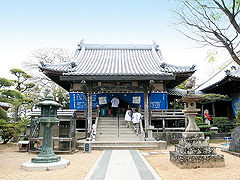
Anraku Temple

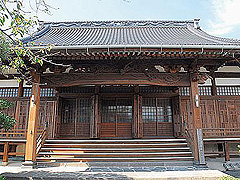
It is a rare temple in the whole country where Hiroho Daishi, who visited this area where the hot springs had been located since ancient times, conveyed the benefits of Yuji Onsen, and the mountain name is Ononzan. Daishi himself carved and made the main honor of the Yakushi Nyorai, who is to help save the illness and calamity of the modern era. The present main temple was dedicated to the gratitude of the sick disease, and is held as the original Buddha. As many as 50 statues of Buddha carved by the Kyoto Buddhist master, Akyo Matsumoto, are enshrined in the temple. Shukubo has a history of more than 400 years since it was designated as a station-ji temple (a temple designated by the clan where you can stay in trouble at the inn), and is pleased as a jukubo with a hot spring.

Hokanji Temple

The statue of Shakya Nyorai, the main statue of the Buddha, which is said to have been carved by the Hiroho Daishi, is the only one of the eighty-eight places, and a rare sleeping Buddha statue is enshrined. It was originally named White Snake Mountain, Horinji Temple, and was located at the foot of the mountain about 3km away, due to the fact that the Daishushi met with White Snake and opened the foundation. It was burned by the soldiers of the Chōsōkabe, and was moved to the present site of the Shōbo Year (1644-48), due in part to the influence of debris flow. In Ansei 6 (1859), the tower gate was burned down by a fire emanating from Komei-do. The current main hall and the Daishido were rebuilt during the Meiji period. It is called "Tanaka's Falun-san" because it is located in an idyllic countryside.

The paradise temple

It is located about 1km to the west of Lingshan Temple, at Shikoku Reijira No. A beautiful Japanese garden opens up when you pass through the Nioh Gate of the Zukhi, and there is a long-lived cedar, which is said to have been planted by Hiroho Daishi. In the main hall, the main statue of Amitabha Nyorai (Important Cultural Property), which is considered to be a work of the late Heian period, is enshrined.

Zuiganji Temple

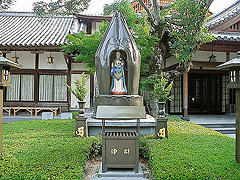
The Zen temple of the Rinzai sect (Rin Zaishu) Myoshinji school, which stands at the foot of the mountain at Byeshan. It is known for its Ikizumi-style garden, which was built in the early Edo period. The garden, which cleverly uses the slopes at the foot of the mountain, is equipped with tea rooms and a triple treasure pagoda, and has a sophisticated style. The Kiri Shitan lantern, which carved a statue of Maria on lanterns during the Edo period when Christianity was banned, and which he pretended to be Jizo-son, cannot be overlooked.

Dainichi Temple

An ancient temple standing on the banks of the river. When Hiroho Daishi was doing Hōma Shōjō in Ōshigamori, Dainichi Nyorai appeared in the air and received the announcement of the construction of Ichiyu, so the figure of Dainichi Nyorai was carved into the main temple, and the name of the temple was also named after this. However, since it later became a temple of Ichinomiya Shrine, it is also known as Ichinomiya-ji, and it becomes prosperous. The main hall was destroyed by fire during the Tensho period (1573-92), and the current Dou was rebuilt during the Meiji period. The eleven-faced Kansei Onbodhisattva, which had been held at Ichinomiya Shrine by the separation of Shinto and Buddha in the Meiji era, was moved to this temple, and this is the main temple. The original main god, Dainichi Nyorai, is enshrined as a Waki Samurai Buddha.

Joraku-ji Temple

The main Buddha is a Maitreya bodhisattva, which appears in this world and is said to save the sentient life, 5.67 billion years after the death of the Buddha, and is the only future Buddha in the Shikoku Reiba. As the Hirohō Daishi practiced in this area, the Maitreya appeared along with many bodhisattvas to perform preaching, so the Daishi carved the figure into a spirit tree and erected the Dou to make it the main temple. The gaiji was erected by the disciples of the Daishi, Shen Ren Shen, Prayoken and others. It was burned by the soldiers of the Shōen-Jen (1573-92), and the Hisuga family re-emerged in Manji 2 (1659). It enshrines the Daiji on the crotch of the tree of the sacred tree of Araragi on the right hand side of the main hall, and is called the "Araragi Daiji".

Kokubunji Temple

It was one of the Kokubunji temples erected throughout the country at the order of Emperor Shōmu, and Gyoki was founded. At that time, it was a large gaiji with a seven-storied pagoda as a prayer office for the Zhengui state, but the temple pagoda was burned to the ground due to the fire of the Chōsengagabe during the Tensho years (1573-92). It later became the Sōtō sect temple when it was rebuilt in the first year of Kanbo (1741) by Hōsan Yōshi Kazunaga. It was rebuilt over a long period of time, including the establishment of the Taishido in the Tenpo Year (1830-44). The main temple of the present-day double-layer Irimoya is rebuilt during the Bunsei period (1804-30), and the plaques of Emperor Shōmu and Empress Kōmei are enshrined. The precinct is home to the Meishatsu Awa Kokubunji Garden, a lively stone-style garden made of green stone megaliths from local Awa.

Nikoninin

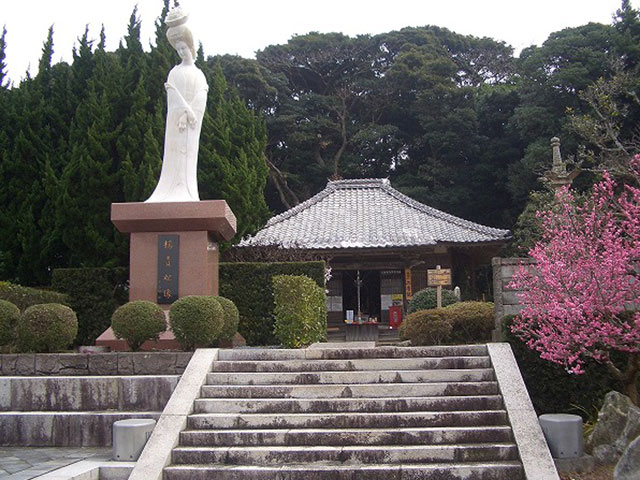
There is a legend that a long time ago, a beautiful woman, "Yang Yuu", escaped the difficulties and rode a small boat, washing ashore on this ground. The five-wheeled pagoda (Yamaguchi Prefecture-designated cultural property), which is said to be the "Tomb of the Princess of Yang", and the national-designated important cultural property Honji Buddha (Amida Nyorai standing statue and Shakya standing statue), which are enshrined to mourn the bodhi. There are no more worshippers due to the ritual of Anshou, Child Treasure, and Kinkō, including the female guardian. The prayer is also reputable, and the priest will pray in the main hall if he wishes. Also popular is the Nihonin-in exclusive Yang Yuuma, who is said to have a wish come true. The sunset is beautiful in Aburaya Bay, which can be seen from the precincts, and it is crowded with tourists as a popular spot. Sukubo Enki has opened, and you can experience staying at the first temple in Yamaguchi Prefecture.

The paradise temple

Yae cherry blossoms in Yamamonwaki are chanted in his work "Kyorakuji"; one of the "Senzaki Hakkei", which Misuzu chants over the landscape of Senzaki.

Contact Us: Business & Personal Inquiries

By proceeding, you agree to our Terms of Use And confirm you have read our Privacy Policy .

Notes

· We are available for inquiries 24 hours a day. Responses will be provided between 9:00 and 18:00 (including weekends, public holidays, and year-end/New Year holidays).
· Depending on the nature of your inquiry, it may take some time for us to respond.

RURUBU & ALL WAY JAPAN
Privacy Overview

This website uses cookies so that we can provide you with the best user experience possible. Cookie information is stored in your browser and performs functions such as recognising you when you return to our website and helping our team to understand which sections of the website you find most interesting and useful.