 English
  Japanese
  Chinese (China)
  Chinese (Taiwan)
  Korean
 Ceramics blue

Founded as the joint venture company Tobo Blue.

Founded as the joint venture company Tobo Blue.
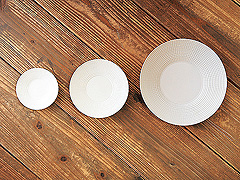
Hassami-yaki's Hassami-yaki Yuyuan, which has a kiln at Sugo Nakao Mountain. Based on the concept of "making a device from making a device to making a heart device," the dishes made by Zenta Masaki are only tableware that makes use of their personality, such as shapes and patterns that complement the ingredients. In the gallery, we sell a simple and beautiful form of white porcelain hand-carved dishes/bonds series from 990 yen.
A base facility for green craft tourism using the old pottery site of Nakao Mountain, where various programs such as ceramic art experience are prepared. Pizza baking experience in a kiln with a renovation of a kiln for the donut (reserved for the previous day) 1500 yen ~ you can taste freshly baked from dough.
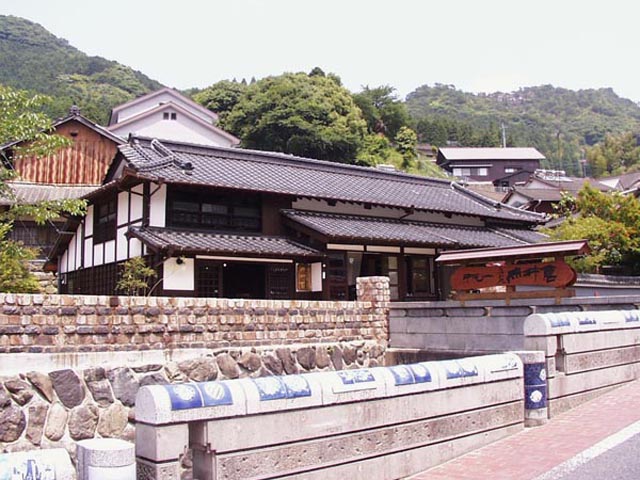
A gallery specializing in Hassami ware run by Okukawa Pottery, a wholesaler of Hassami and Arita ware in the town of Hassami, Nagasaki. An old private house built in the Meiji 23 (1890), which was the owner's former home, has been converted to exhibit and sell the works of Motomoto, which were carefully selected by the connoisseur owner. The building is a nationally designated registered tangible cultural property.
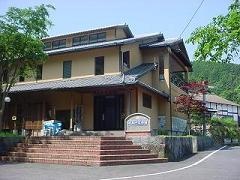
Yakinomono-sato, Nakao-yama, who has been making inexpensive and durable commoners from the Edo period. In that corner, the exchange hall is a gallery lined with materials on the pottery of Nakao Mountain, as well as works by each of the moyuan. In addition, there is also a training house nearby, which is equipped with a kiln workshop where you can experience the potter wheel, and accommodation facilities.
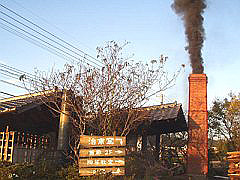
A kiln by Kiyoto Tatei, who has received numerous awards, including modern master craftsman accreditation, the Prime Minister's Award for the Prime Minister, and the West Japan Ceramic Art Exhibition Award. Techniques include inlays and kneading to embed color in the groove of a pattern. Depending on the type, the hole kiln and the gas kiln are used differently, and they are characterized by a variety of colors and patterns. A gallery is attached. Experience ceramic art is from 2000 yen (separately for firing). Reservations required by 3 days in advance, summary 2 hours.
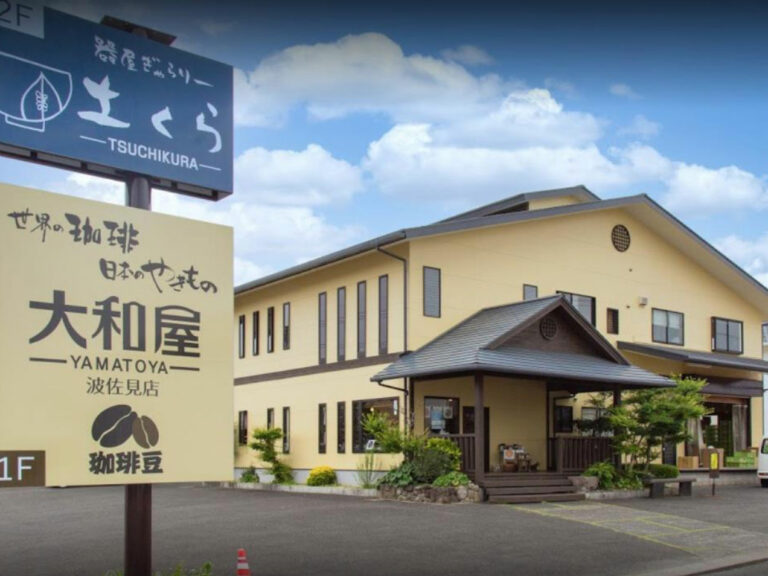
The first floor sells coffee beans and sweets that go with coffee; you can also sample it on a daily basis; the second floor is a gallery that exhibits and sells Japanese dishes; carefully selected from more than 200 moans from Hasami, Arita and Imari; and a large selection of cloth, Ryukyu glass and rare sundries.
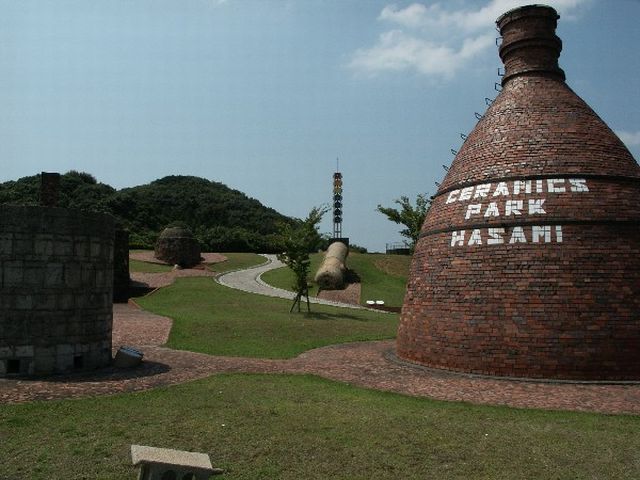
In the center of the town, this park is home to the world's kiln square (admission free) and the Hatami-cho Pottery Hall (fee: free tour, time: 9-17). The Hatsami Pottery Festival is held every year from April 29 to May 5. Hasa-mami ware is a fine mix of crystal-clear white porcelain with indigo-colored patterns called dyeing. For about 400 years, we have been making good quality tableware useful for our lives.
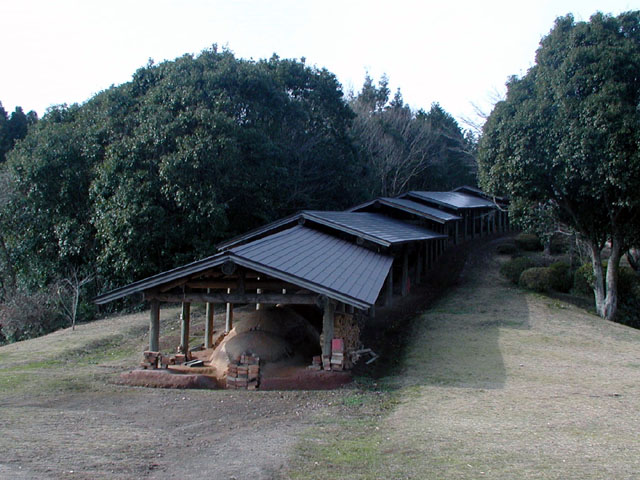
The kiln remains were reportedly built by Li Dynasty potters during the Gyeongsang Year (1596-1614). The number of rooms in the kiln is considered to be more than 24 rooms and a total length of about 55.4m or more, which is a large scale for the kiln at that time. In addition to the kilns, which are on display as they have been excavated, there are also restored kilns, showing the history of the Hassami ware. It was designated as a National Historic Site in September 2000.
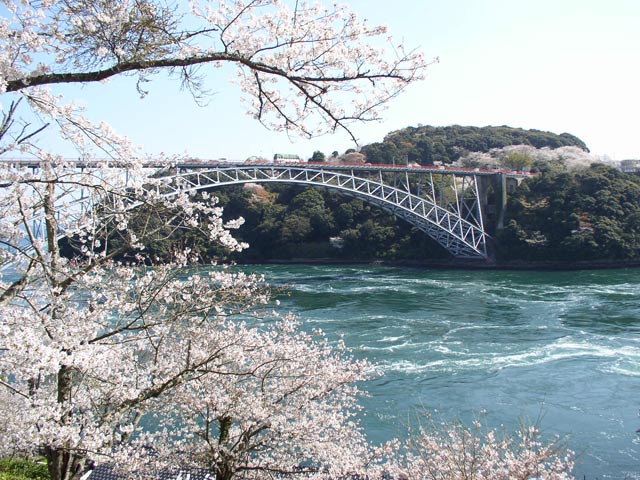
A fixed-arch iron bridge connecting the city of Sasebo to the Nishisonogi Peninsula, built in 1955. 42m high and 316m long. One of the three major rapid tides, the Great Vortex of Onio Seto, can be seen from the bridge. The Uzu Tide Festival (participation free) is held from late March to early April, as a particularly large uzu tide is seen in spring.