Archives: Travel Post

Ota City Nitta Welfare Center Eurand Nitta
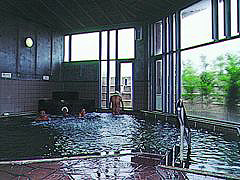
A hot spring facility that stands inside the General Welfare Center, with various welfare facilities attached. There are two large bathhouses built in the back of the building, Japanese and Western-style, each with a large bathtub and a low-temperature sauna, and the men and women are replaced on a monthly basis. In addition, for people with physical disabilities, there is a bath for the disabled with ramps and railings installed in the bathhouse, which can be used by appointment. There is a large hall for rest, a middle hall, and a private room for pay, and you can enjoy paid karaoke in the hall. It is also possible to bring food and drink because there is no food facility.
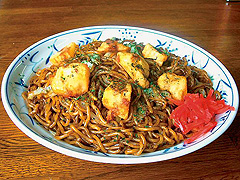
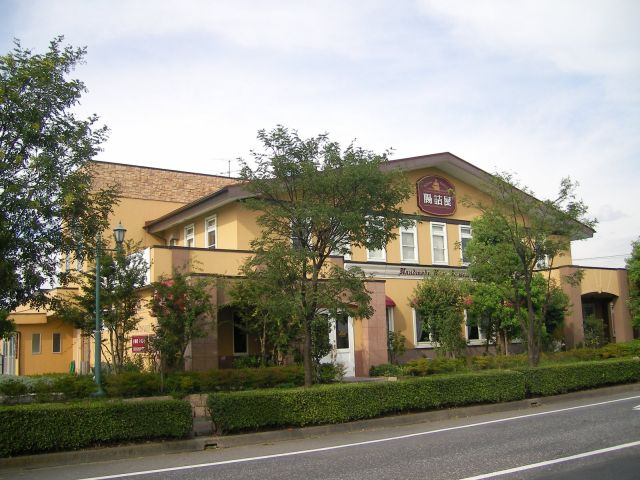
Yamaguchi-ya

A takeaway-only yakisoba specialty store with a track record of second place in the B-class gourmet national competition. The combination of homemade sauce and puri-ni noodles is exquisite. Yakisoba 450 yen ~.

A baker

A shop of ham and sausage from Meister's direct biography in Germany. It is a specialty of using meat from domestic pigs and domestic cattle of good quality and aging with spices imported directly. There are a large number of items, about 60, and garlic sausages are popular. There are also directly managed shops in Karuizawa and Nasu.

New Spring Joshu Ota Nanafukujin tour

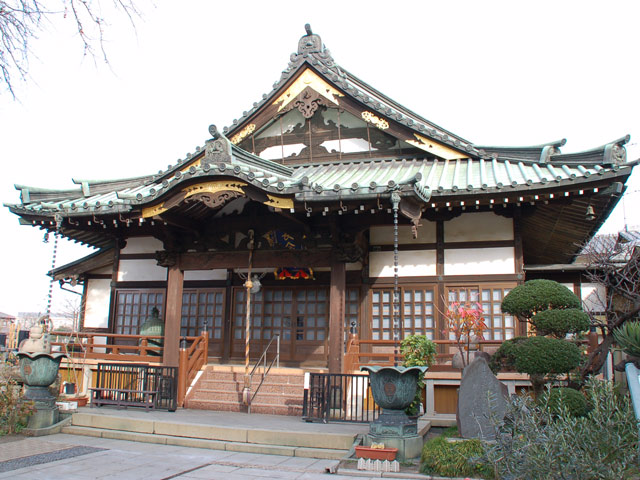
A course around seven venerable temples at the foot of Mount Kanayama. The full journey is about 12km, and the journey time is about 3 hours. Shunji is Daikoin Temple of Benkoten (Academic Promotion), Kinryū-ji Temple of Bisha-monten (Kaku-baku-baku), Yuyō-ji Temple of Fukurokuju (Fukutoku-shōrai), Eifuku-ji Temple (Sazae-do) of Fukutoku-son (Fukutoku Enman), Daikoku-ten (Goten) no Kōraku-ji, and the last one is the Jōnen-ji temple of Ebisu-jin (business prosperity). It is held every year on the second Sunday of January.

Road Station Ota

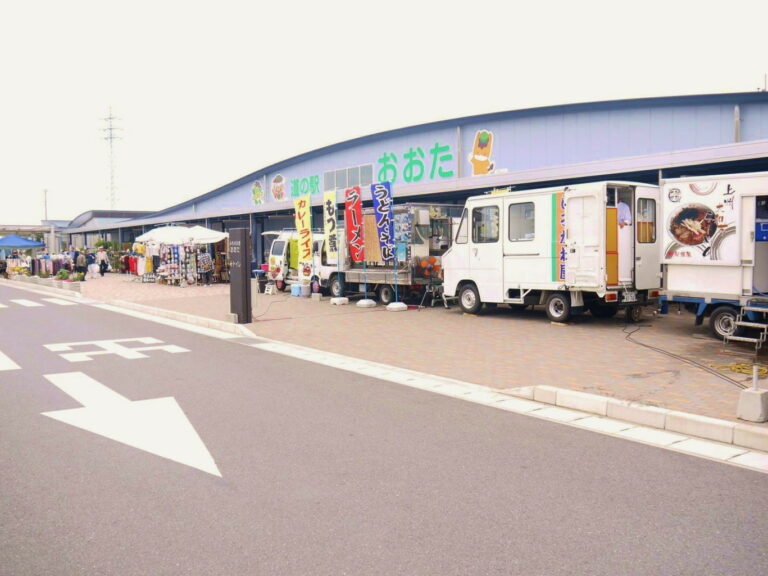
A roadside station along National Route 17 called Jōbu Road. Inside the station building, which is equipped with a sightseeing exchange corner, a rest space, and a nursing room, Ota City boasts one of Japan's best cultivated areas, such as Yamatoimo. I am looking forward to shopping at the "craft market" selling folk art and crafts. A catering car village where street-style cars are lined with zrali, which is popular in the roadside station. A variety of catering cars are opening every day, and there are a variety of menus such as Kamishu Ramen, Tororo Udon, Tori Skin Dumplings and Kebabs. Events are held on weekends, which are used by many people.

SUBARU, Ltd. Yajima Factory

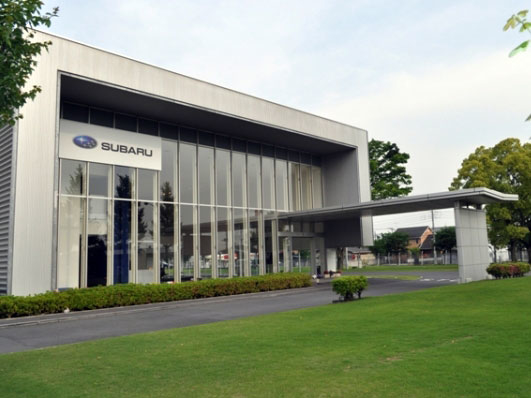
The Yajima plant, which makes cars such as Legacy and Forester. You can tour the process from the material of the car to its completion. Above all, there is a scene where robots connect bodies together at once. At the end of the factory tour, we go to the adjacent visitor center. The exhibition hall showcases Subaru's successive cars and Subaru's unique technology and commitment to the environment.

Gunma Prefectural Kanayama General Park

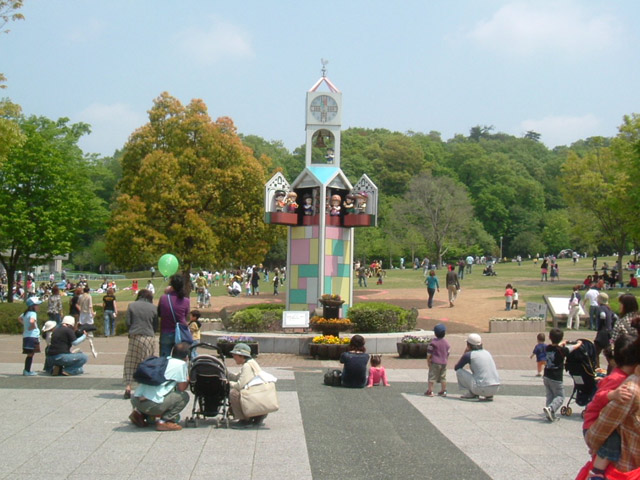
In the vast grounds, there is a summer bobsleigh (300 yen for adults, 200 yen for dwarfs) sliding down 520m, a cycle square where you can enjoy unusual bicycles, and a workshop where you can learn the experience of woodworking and ceramic art. The children's hall in the park includes a planetarium, a playroom, a craft room, a video library, and a personal computer room. In addition, there are biotopes and coppice forests that make use of the satoyama environment, and rare plants and animals are also found.

Tenjinyama tumuli

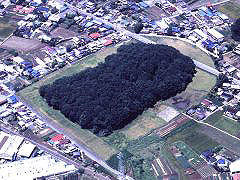
East Japan's largest front-back circular mound with a total length of 210m, a rear circle diameter of 120m, and a height of 16.8m. In contrast to the adjacent Nyataisan mound, it is also called Nyataisan. It is surrounded by a double moat, with a jyuuuuuuuuuuuuuuuuuuuuuuuuuuuuuuuuuuuuuuuuuuuuuuuuuuuuuuuuuuuuuuuuuuuuuuuuuuuuuuuuuuuuuuuuuuuuuuuuuuuuuuuuuuuuuuuuuuuu the mound is a three-stage construction, and the main part is a pit. They have been robbed, but some of them have been excavated, including house-shaped and water-bird-shaped haniwa. It is thought to be the tomb of the great chief of Kenonokuni (Kenunokuni), who had strong links with the Kinai-Yamato administration, and is presumed to date from the middle of the 5th century.

Sōchō-kan site

The Nitta district is dotted with historical sites related to the Nitta clan. It is this house that the eighth generation Yoshisada [Yoshisada] reportedly took up residence after adulthood. It used to be a solid flat castle surrounded by a triple base moat. It is now the precinct of the Shinmyōji Temple, and there is a Japanese garden at the back of the main hall, known as "Nakazu no Ike". In addition, Shomyoji is also known as a temple for the evil medicine medicine.

Jinshan Castle Site

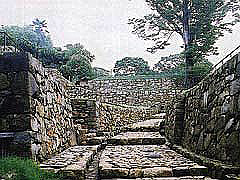
Yamashiro in the Sengoku period, which is said to have been built by Iwamatsu Iezumi [Iwamatsu Iezumi]. It is renowned as Kojo, who was unshaken by the repeated capture of the likes of Kenshin Uesugi and Katsuyori Takeda. Some of the moats and stone walls remain today, as well as excavations have restored Hino Pond and stone-laying passages.

Contact Us: Business & Personal Inquiries

By proceeding, you agree to our Terms of Use And confirm you have read our Privacy Policy .

Notes

· We are available for inquiries 24 hours a day. Responses will be provided between 9:00 and 18:00 (including weekends, public holidays, and year-end/New Year holidays).
· Depending on the nature of your inquiry, it may take some time for us to respond.

RURUBU & ALL WAY JAPAN
Privacy Overview

This website uses cookies so that we can provide you with the best user experience possible. Cookie information is stored in your browser and performs functions such as recognising you when you return to our website and helping our team to understand which sections of the website you find most interesting and useful.